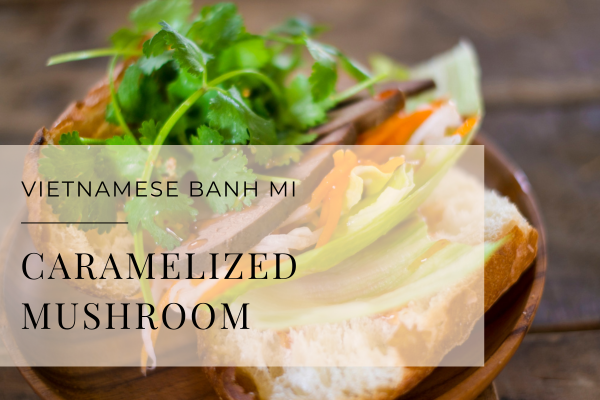
Our Caramelized Mushroom Bánh Mì is a modern, plant‑forward Vietnamese sandwich that feels both everyday and quietly meaningful.
There’s something special about a bánh mì built around mushrooms. It’s not trying to imitate meat or be a stand‑in for something else. It’s its own thing—deep, savory, a little sweet, and full of that warm, earthy aroma that makes your kitchen feel alive. This caramelized mushroom bánh mì leans into that spirit: simple ingredients, cooked with intention, layered into something bright and satisfying.
In This Ingredient Guide
Why Caramelized Mushroom Bánh Mì Works
- Texture — Mushrooms give you that tender‑chewy bite that holds up against the crisp baguette.
- Umami — Caramelization + soy + mushroom’s natural depth = a filling that tastes bigger than the sum of its parts.
- Balance — Pickled vegetables, herbs, and chili bring brightness that keeps everything light and modern.
- Philosophy — It’s a vegetarian dish that doesn’t announce itself as one. It’s just delicious, thoughtful, and rooted in Vietnamese logic.
Browse Vietnamese Bánh Mì Recipes:
The Use of Mushrooms in Vietnamese Cooking
Mushrooms show up everywhere in Vietnamese home cooking, especially in dishes shaped by a Buddhist mindset. Not in a religious way, but in a philosophical one—an approach to food that values balance, gentleness, and nourishment without excess. Mushrooms fit naturally into that worldview because they bring depth without heaviness, umami without force.
In Vietnamese kitchens, mushrooms aren’t treated as a “replacement.” They’re treated as an ingredient with its own personality. You’ll see them in broths, stir‑fries, braises, and everyday soups—always chosen for the way they absorb flavor, hold texture, and bring a quiet richness that doesn’t overpower the dish.
For this bánh mì, that mindset matters. Instead of trying to mimic grilled pork or meatballs, the mushrooms are cooked until they’re glossy and caramelized, then finished with a splash of soy, a touch of sugar, and a little black pepper. They become savory, slightly chewy, and full of character—exactly what you want in a plant‑forward bánh mì.
Check out our post on the Best Mushrooms to use for Vietnamese Cooking.
- Spring Crab: Crab & Yuzu Mayo Bánh Mì
- Meatball Option: How to Make Lemongrass Meatball Bánh Mì
- Featuring Mushrooms: Caramelized Mushroom Bánh Mì
- OG Classic: Vietnamese Sardine Bánh Mì
- Browse more Vietnamese Bánh Mì
Quick Steps to Get You Started
- Prep the Mushrooms. Tear or slice them in bite-sized pieces. Tearing gives you better texture and caramelization.
- Sauté. Heat oil and butter over medium‑high. Add mushrooms in a single layer and leave them alone until they brown on one side. Stir and continue cooking until they release moisture and start to caramelize.
- Aromatics. Add shallot and garlic. Cook until fragrant.
- Season. Add soy sauce, sugar, and black pepper. Toss until glossy and deeply browned. Taste and adjust.
- Assemble. Spread mayo on a warm baguette. Add a light drizzle of Maggi or soy. Layer in the mushrooms, pickles, cucumber, cilantro, and chili.
- Serve immediately. The contrast of warm mushrooms and crisp vegetables is the magic.
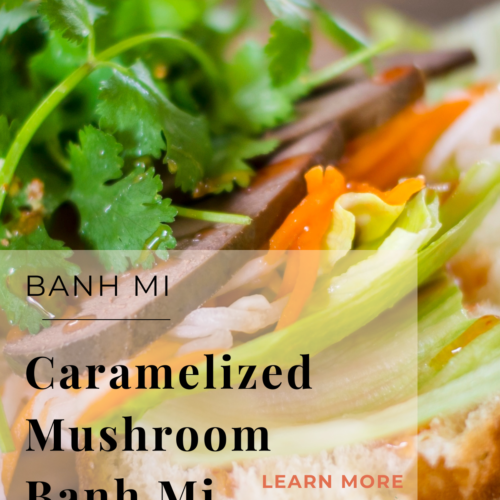
Caramelized Mushroom Bánh Mì
Equipment
- Cutting board & knife
- Large skillet
- Tongs, spatula
- Toaster or oven (to warm baguettes)
Ingredients
- 1 lb mushrooms shiitake, oyster, or cremini, sliced
- 1 tablespoon neutral oil
- 1 tablespoon soy sauce
- 1 teaspoon honey
- 1 teaspoon black pepper
- 4 small baguettes
- 4-6 tbsp mayonnaise or chili‑mayo
- Pickled carrot & daikon about 1 cup
- 1 cucumber thinly sliced
- Fresh cilantro
- Fried shallots optional
- Jalapeño slices optional
Instructions
- Heat oil in a skillet over medium‑high. Add mushrooms and cook until they release moisture and begin to brown.
- Add soy sauce, honey, and black pepper. Cook 1–2 minutes until glossy and caramelized.
- Slice and lightly toast the baguettes.
- Spread mayonnaise or chili‑mayo on both sides of each baguette.
- Layer in the caramelized mushrooms.
- Add cucumber, pickled carrot & daikon, cilantro, fried shallots, and jalapeño.
- Close and serve immediately.
Notes
- Fried shallots add crunch and deepen the savory profile.
- Let mushrooms brown before adding sauce for the best texture.
- Works well with mixed mushrooms for layered flavor
The Best Mushrooms to Use for Banh Mi
Mushrooms behave differently in Vietnamese cooking than they do in other recipes. They’re not used for “meatiness” alone—they’re chosen for texture, absorption, and how they carry seasoning. In a banh mi, you want mushrooms that caramelize well, hold their shape, and bring a warm, savory depth without turning watery.
Check out our guide for the best mushroom variety that compliments Vietnamese cooking best.
A Meaningful Vegetarian Moment
This sandwich is plant‑forward in a way that feels grounded and natural. It’s not about restriction or substitution—it’s about cooking with intention, choosing ingredients that feel alive, and letting them shine. That’s the heart of Vietnamese vegetarian cooking: simple, balanced, and deeply satisfying.
Vietnamese cooking is naturally full of vegetarian moments because so much of the cuisine is built on plants, herbs, and light, clean flavors. Even outside explicitly vegetarian dishes, everyday meals lean on vegetables, tofu, mushrooms, and pantry staples like soy sauce, fermented bean pastes, and aromatic herbs to build depth. The foundation of the cuisine values balance and freshness, so plant‑based ingredients aren’t treated as substitutes—they’re treated as essentials. That’s why vegetarian Vietnamese food feels effortless rather than engineered: the flavors are already bright, layered, and satisfying, and the ingredients naturally support a way of cooking that’s nourishing without being heavy.
Browse Vietnamese Pantry Tips & Kitchen Gear
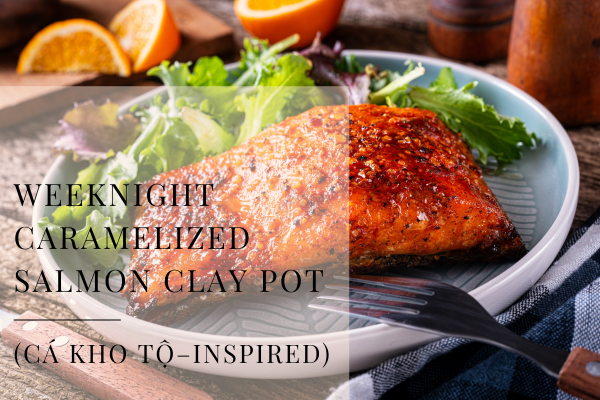
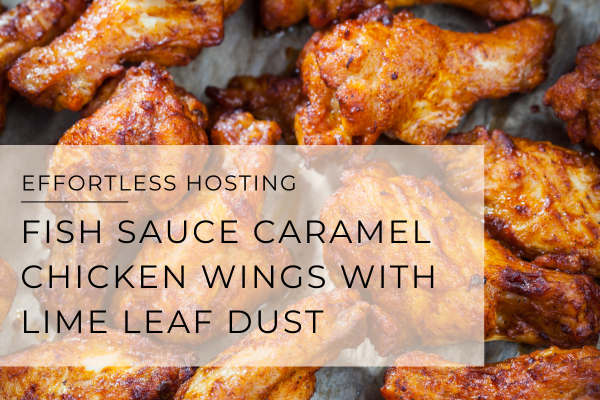
Recipes Using Vietnamese Caramel Sauce
More Featured Easy Banh Mi Recipes
-

Vietnamese BBQ Pork Meatball Banh Mi
Vietnamese BBQ Pork Meatball Bánh Mì delivers tender xíu mại-style meatballs, a light tomato glaze, and crisp Vietnamese pickles inside a warm, airy baguette. What Makes This Bánh Mì Special This Vietnamese BBQ Pork Meatball Bánh Mì layers tender xíu…
-
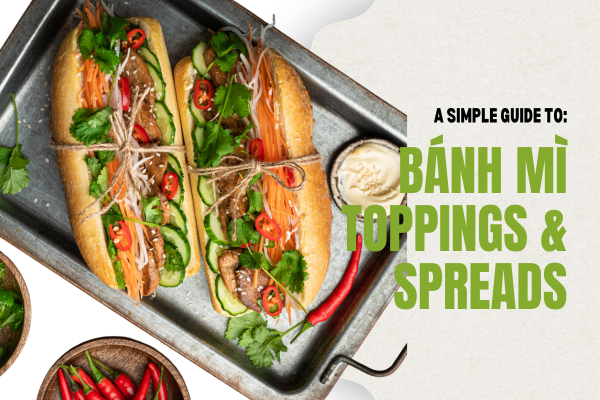
The Essential Guide to Banh Mi Toppings & Spreads
The Essential Guide to Banh Mi Toppings & Spreads A modern, editorial breakdown of every component that builds a balanced, Vietnamese bánh mì. Bánh mì is one of Vietnam’s most iconic food exports — a sandwich that reflects the country’s…
-
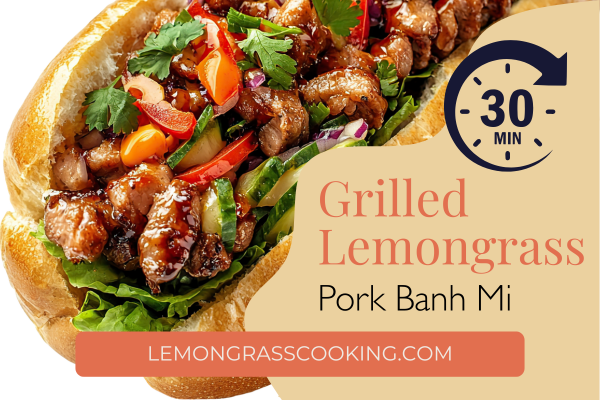
Easy Grilled Lemongrass Pork Banh Mi
Simple Guide to Easy Grilled Lemongrass Pork Bánh Mì (Thịt Nướng) A grilled lemongrass pork banh mi delivers everything people love about Vietnamese street food: smoky char, bright aromatics, crisp vegetables, and a soft‑crunchy baguette. This version keeps the flavors…
-
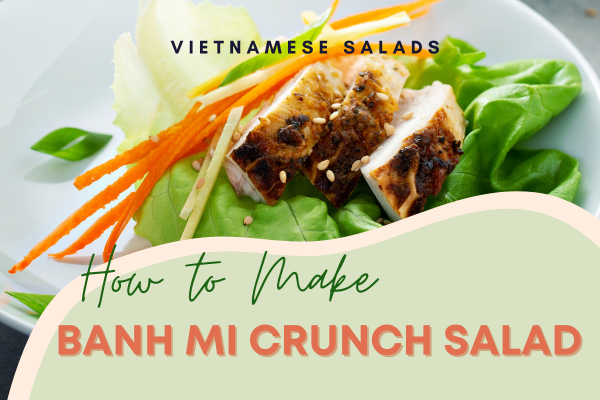
How to Build a Banh Mi Crunch Salad
How to Build a Banh Mi Crunch Salad This bánh mì salad takes everything people love about the iconic Vietnamese sandwich—savory protein, bright pickles, herbs, heat, and a punchy nước chấm—and layers it into a crisp, refreshing bowl. It’s lighter,…
-
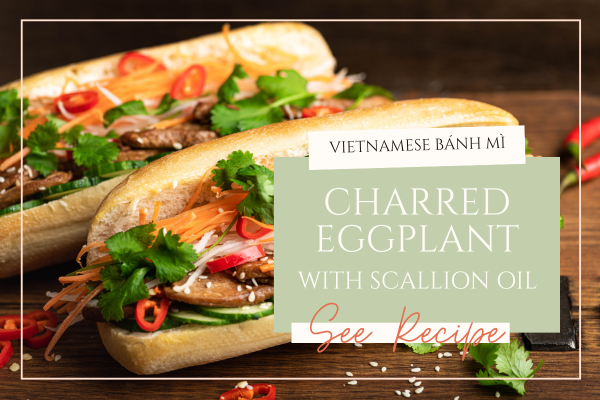
Charred Eggplant and Scallion Oil Banh Mi
Charred Eggplant and Scallion Oil Banh Mi This Charred Eggplant & Scallion Oil Bánh Mì layers smoky eggplant, aromatic scallion oil, crisp vegetables, and bright Vietnamese pantry flavors. The result is a modern, plant‑forward bánh mì that feels both street‑style…
-
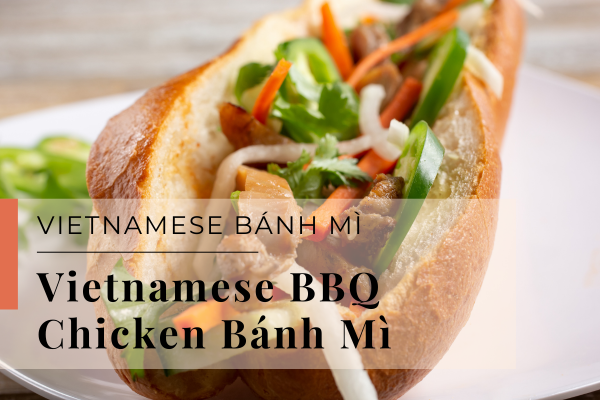
Vietnamese BBQ Chicken Bánh Mì
Vietnamese BBQ Chicken Bánh Mì (Gà Nướng) – A bright, smoky twist on a classic bánh mì. Vietnamese BBQ Chicken Bánh Mì brings together everything that makes the sandwich iconic—crisp vegetables, fresh herbs, and a light, crackly baguette—paired with juicy…
-

Sausage & Egg Bánh Mì (Bánh Mì Lạp Xưởng Trứng)
Sausage & Egg Bánh Mì (Bánh Mì Lạp Xưởng Trứng) – A fast, savory Vietnamese breakfast sandwich built on crisp baguette, caramelized lạp xưởng, and crispy‑edged eggs. This version keeps the assembly simple while delivering the nostalgic balance of sweet,…
-
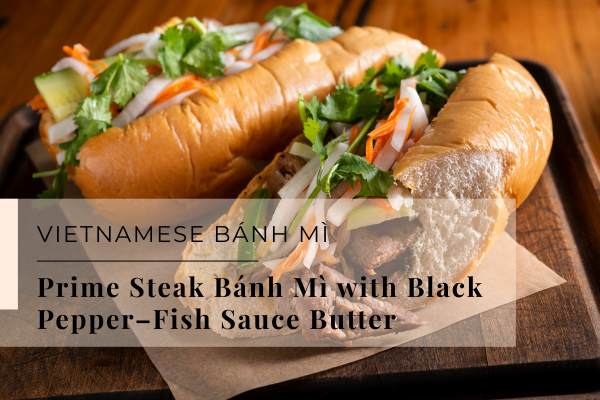
Prime Steak Bánh Mì with Black Pepper–Fish Sauce Butter
Prime Steak Bánh Mì with Black Pepper–Fish Sauce Butter layers charred, tender steak with a rich black pepper–fish sauce butter, crisp vegetables, and a warm baguette. It’s a modern Vietnamese sandwich that feels luxurious but stays weeknight manageable. The build…
-
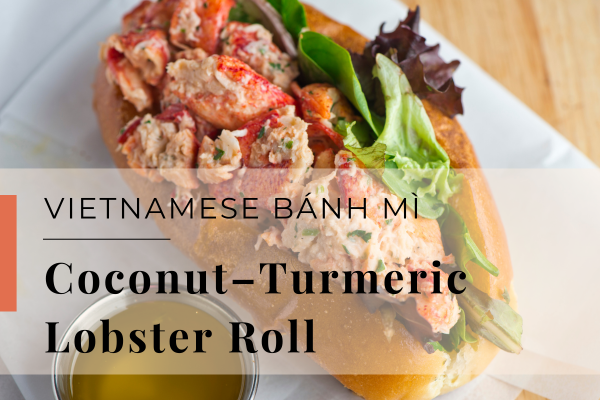
Coconut–Turmeric Lobster Roll Bánh Mì
Coconut–Turmeric Lobster Roll Bánh Mì – A bright, luxurious twist on the classic bánh mì — buttery lobster folded into a coconut‑turmeric dressing with herbs, lime, and crisp vegetables. If you love a classic lobster roll and you love bánh…
-
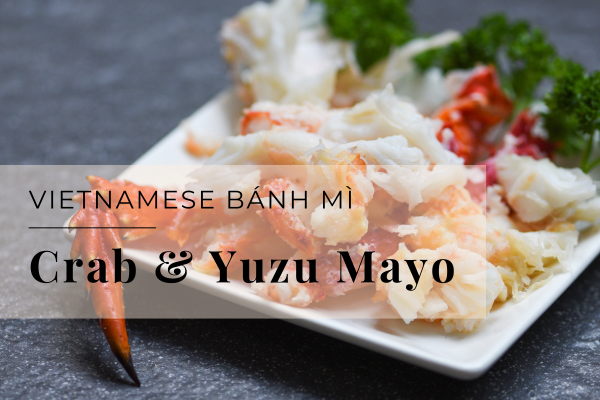
Crab & Yuzu Mayo Bánh Mì
This Crab & Yuzu Mayo Bánh Mì is a bright, modern take on the classic Vietnamese sandwich. Sweet lump crab meets citrusy yuzu mayo, layered with crisp vegetables, fresh herbs, and warm, airy baguette. It’s light, refreshing, and perfect for…