Vietnamese Aromatics & Herbs – The Fresh, Fragrant Backbone of Vietnamese Cooking
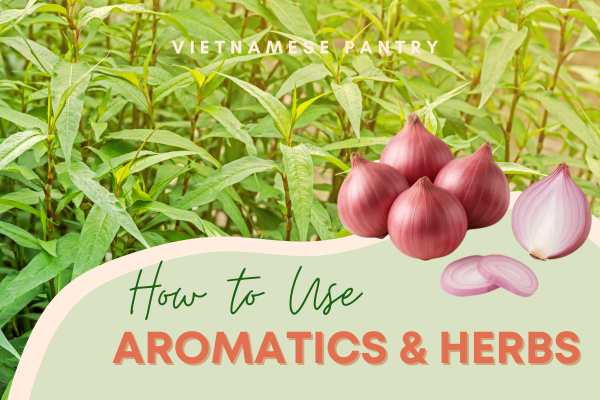
Vietnamese cooking begins with fragrance. Long before heat hits the pan, dishes are built on layers of herbs, aromatics, and fresh greens that define the cuisine’s brightness. This pantry hub walks you through the essential herbs and aromatics used across Vietnamese home cooking — what they taste like, how to prep them, how to store them, and which recipes they belong to.
Use this page as your reference library for bowls, noodle soups, marinades, dipping sauces, and weeknight Vietnamese cooking.
In This Guide: Vietnamese Aromatics & Herbs
What Makes Vietnamese Aromatics & Herbs Unique
Vietnamese cuisine uses herbs not as garnish, but as core flavor drivers. They add:
- Brightness (mint, Thai basil, cilantro)
- Warmth & depth (ginger, lemongrass, shallots)
- Peppery lift (perilla, Vietnamese coriander)
- Cooling contrast (spearmint, rice paddy herb)
- Aromatic sweetness (scallions, garlic chives)
This balance of fresh + fragrant + warm is what makes Vietnamese food feel light, clean, and deeply flavorful.
Core Aromatics
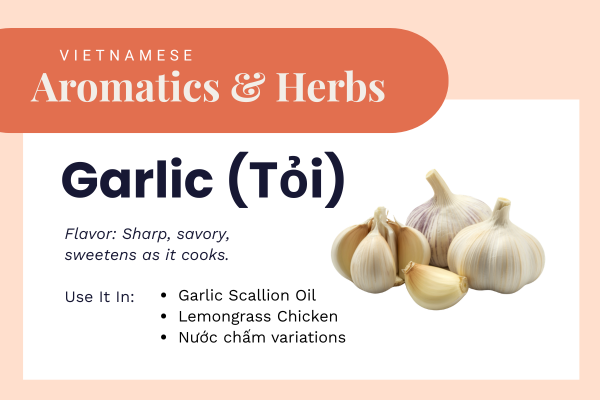
Garlic (Tỏi)
Flavor: Sharp, savory, sweetens as it cooks Use in Vietnamese cooking: Stir-fries, nước chấm, marinades, aromatic oils Prep: Smash, mince, or slice Storage: 2–3 weeks in a cool, dry place
Use it in:
- Nước chấm variations
- Garlic scallion oil
- Lemongrass chicken
Recipes Featuring Garlic:
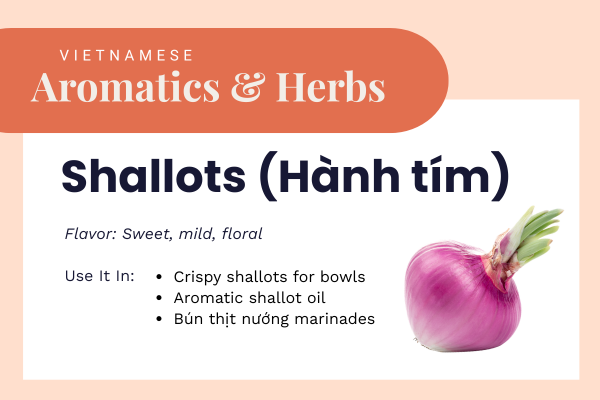
Shallots (Hành tím)
Flavor: Sweet, mild, floral Use in Vietnamese cooking: Crispy shallots, broths, stir-fries, aromatic oils Prep: Thinly slice or mince Storage: 2–4 weeks in a cool, dry place
Use it in:
- Crispy shallots for bowls
- Aromatic shallot oil
- Bún thịt nướng marinades
Recipes Featuring Shallots:
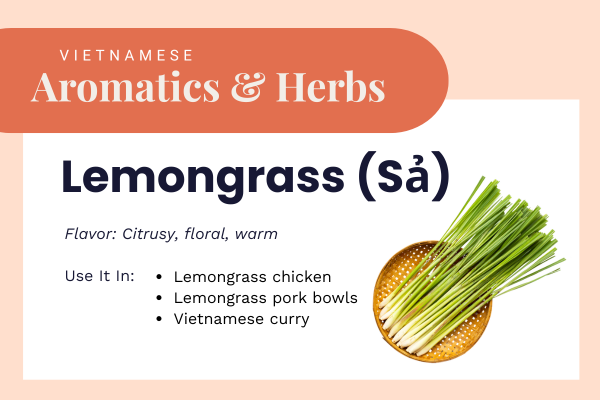
Lemongrass (Sả)
Flavor: Citrusy, floral, warm Use in Vietnamese cooking: Marinades, grilled meats, soups, curries Prep: Trim, peel outer layers, finely mince or bruise Storage: 1 week refrigerated; freeze for 3 months
Use it in:
- Lemongrass chicken
- Lemongrass sauces & marinades
- Vietnamese curry
Recipes Featuring Garlic:
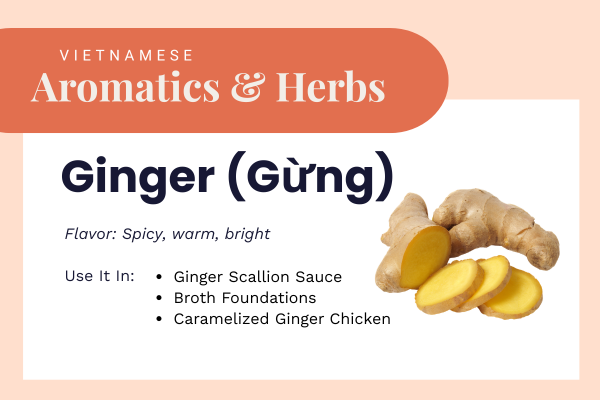
Ginger (Gừng)
Flavor: Spicy, warm, bright Use in Vietnamese cooking: Broths, marinades, dipping sauces Prep: Peel and slice or smash Storage: 2–3 weeks refrigerated
Use it in:
- Ginger scallion sauce
- Broth foundations
- Caramelized Ginger Chicken
Recipes Featuring Ginger:
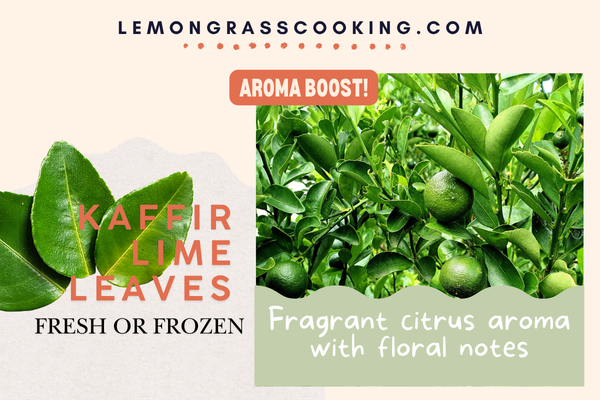
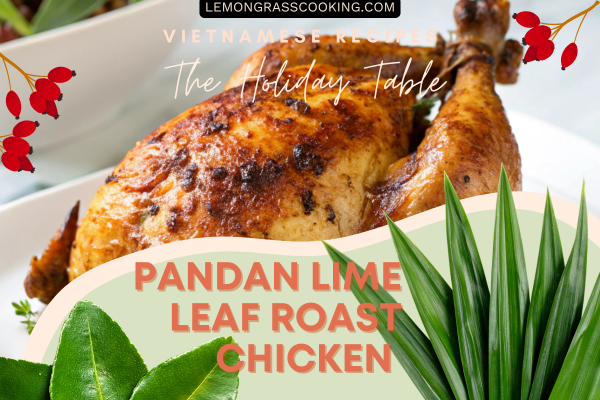
Kaffir Lime Leaces
Flavor: Bright citrus, floral, aromatic Use in Vietnamese cooking: Marinades, braises, soups Prep: Thinly slice or crush Storage: Freeze for long-term storage
Use it in:
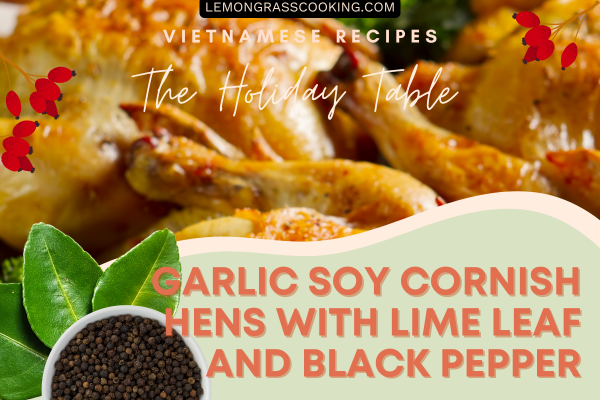
- Roast chicken and Cornish hens
- Coconut curries and braises
- Soups and noodle dishes
Recipes Featuring Kaffir Lime Leaves:
Essential Vietnamese Herbs
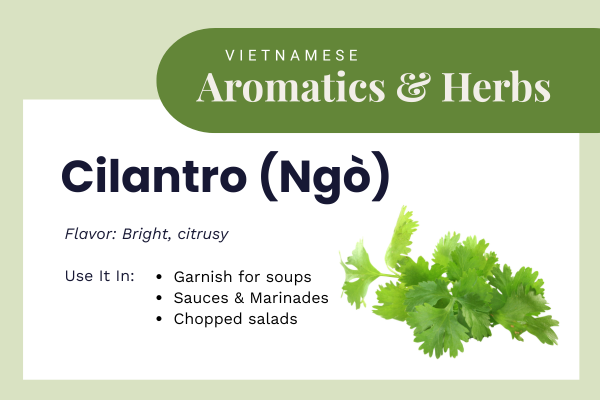
Cilantro (Ngò)
Flavor: Bright, citrusy Use in Vietnamese cooking: Garnish for soups, bowls, bánh mìs Prep: Chop or tear fresh Storage: In water jar with bag cover (5–7 days)
Recipes Featuring Cilantro:
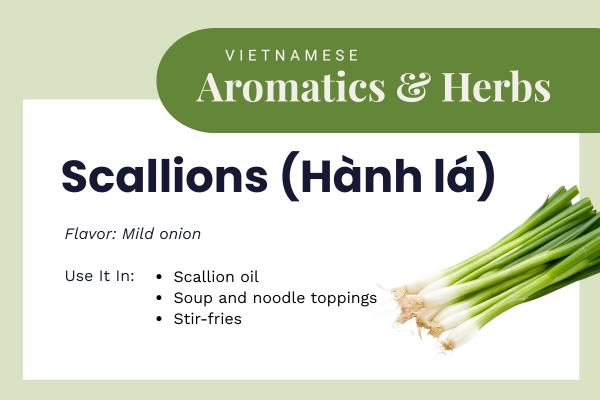
Scallions (Hành lá)
Flavor: Mild onion Use in Vietnamese cooking: Scallion oil, toppings, stir-fries Prep: Chop, slice Storage: Wrapped in paper towel, 5–7 days
Recipes Featuring Scallions:
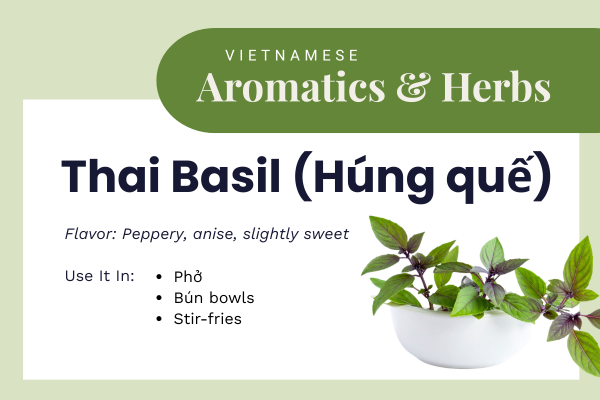
Thai Basil (Húng quế)
Flavor: Peppery, anise, slightly sweet Use in Vietnamese cooking: Phở, bún bowls, stir-fries Prep: Chop, slice, tear Storage: Trim stems, store like flowers
Recipes Featuring Thai Basil:
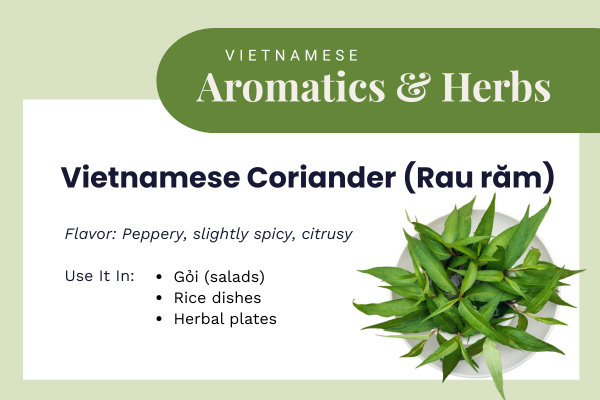
Vietnamese Coriander (Rau răm)
Flavor: Peppery, slightly spicy, citrusy Use in Vietnamese cooking: Gỏi (salads), rice dishes, herbal plates Prep: Chop, slice, tear Storage: Wrapped in paper towel, 4–5 days
Recipes Featuring Vietnamese Coriander:
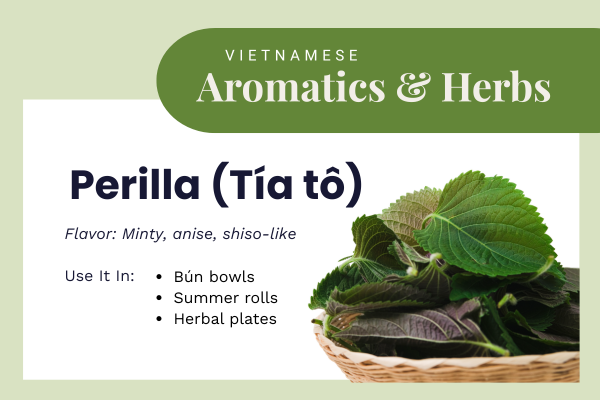
Perilla (Tía tô)
Flavor: Minty, anise, shiso-like Use in Vietnamese cooking: Bún bowls, summer rolls, herbal platters Prep: Chop, slice, tear Storage: 3–4 days wrapped in paper towel
Recipes Featuring Vietnamese Coriander:
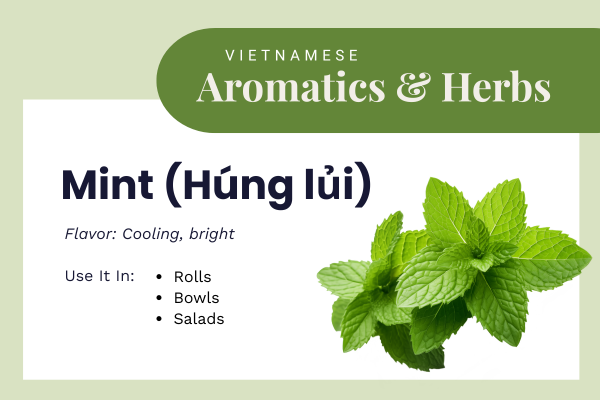
Mint (Húng lủi / Spearmint)
Flavor: Cooling, bright Use in Vietnamese cooking: Rolls, bowls, salads Prep: Chop, slice, tear Storage: In water jar with loose cover
Recipes Featuring Vietnamese Coriander:
Vietnamese Aromatics & Herbs: How to Prep
- Wash in cold water to remove dirt and sand
- Dry completely — moisture causes wilting
- Store upright in jars (like flowers) for longest life
- Trim stems every 2–3 days
- Use whole leaves — Vietnamese cooking rarely chops herbs
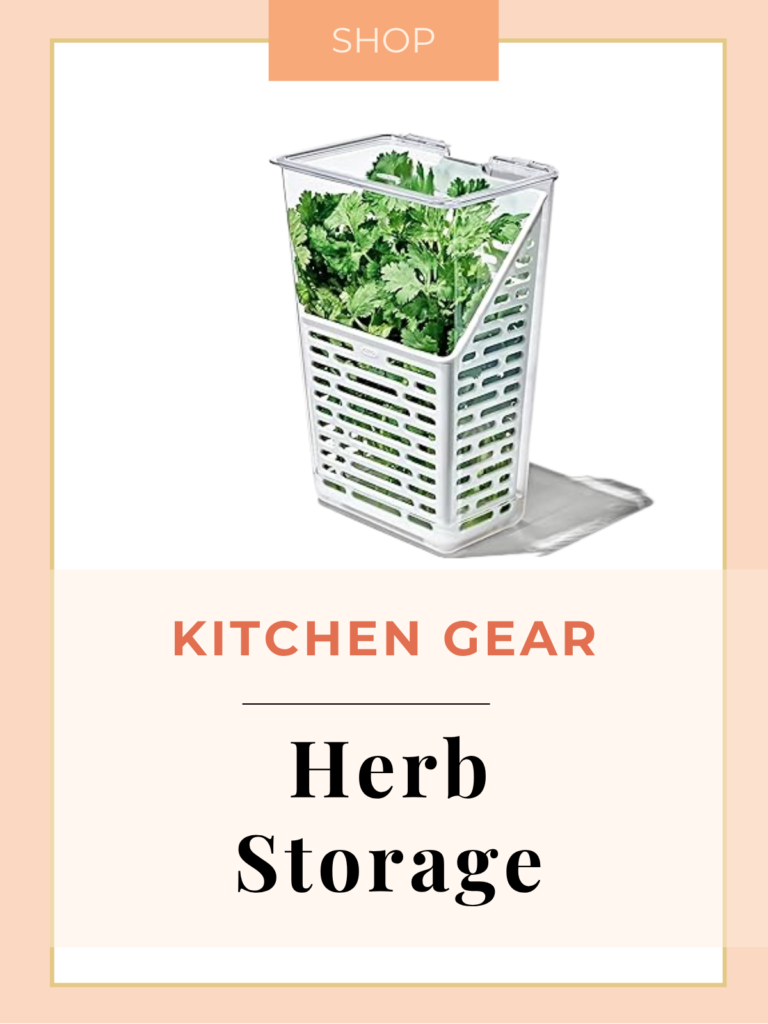
Related Storage Tips: How to Store Fresh Herbs for Vietnamese Cooking
Substitutions Guide
- If you don’t have Thai basil → use Italian basil + mint
- If you don’t have perilla → use shiso or Thai basil
- If you don’t have Vietnamese coriander → use cilantro + mint
- If you don’t have lemongrass → use lemon zest + ginger
FAQ: Vietnamese Aromatics & Herbs
What are the core aromatics used in Vietnamese cooking? Vietnamese cooking relies on garlic, shallots, and lemongrass as the base aromatics. These ingredients build warmth, sweetness, and citrusy depth in stir-fries, marinades, broths, and dipping sauces. Ginger and scallions are also used frequently to brighten soups and sauces.
How do I prep lemongrass for cooking? Trim the root, peel off the tough outer layers, and use only the pale, tender core. For marinades, finely mince the lemongrass. For soups and braises, bruise the stalk and cut it into large pieces so it can be removed easily.
Why do Vietnamese recipes use so many fresh herbs? Fresh herbs are structural flavor in Vietnamese cooking. They add brightness, cooling contrast, and aromatic lift to bowls, rolls, and soups. Most dishes balance warm aromatics like garlic and shallots with fresh herbs like mint, Thai basil, and cilantro.
What herbs are essential for Vietnamese bowls and noodle soups? Common herbs include Thai basil, cilantro, scallions, mint, perilla (tía tô), and Vietnamese coriander (rau răm). These herbs are used in phở, bún bowls, summer rolls, and many everyday dishes.
How do I store Vietnamese herbs so they last longer? Trim the stems and place the herbs in a jar of cold water, then loosely cover them with a produce bag. Most herbs last five to seven days this way. Perilla and rau răm are more delicate and last three to four days when wrapped in paper towels.
Can I substitute Thai basil with regular basil? Yes. Combine Italian basil with a few mint leaves to approximate the peppery, anise-like flavor of Thai basil. It is not identical, but it works well for weeknight cooking.
What is the difference between cilantro and Vietnamese coriander (rau răm)? Cilantro is bright and citrusy. Vietnamese coriander is peppery, slightly spicy, and more intense. They are not direct substitutes, but cilantro mixed with mint can approximate rau răm in some dishes.
Do Vietnamese recipes chop herbs or leave them whole? Herbs are usually left whole or torn by hand. Chopping bruises the leaves and dulls their aroma. Whole leaves give bowls and rolls their signature freshness.
Why do Vietnamese dishes use both scallions and shallots? Shallots add sweetness and depth when fried or sautéed. Scallions add a fresh, mild onion flavor, especially when used in scallion oil. Using both creates layered flavor without heaviness.
Which Vietnamese dishes rely most on fresh herbs? Fresh herbs are essential in phở, bún thịt nướng, summer rolls, bánh xèo, gỏi, bún chả, and bún bò Huế. They are also used as finishing elements for rice bowls, grilled meats, and noodle dishes.
How to Build Your Vietnamese Pantry
Shop Pantry Ingredients for Vietnamese Cooking
A few minimal Vietnamese essentials to keep on hand for fast, flavorful cooking.
- Tested & Recommended: Rice Vermicelli Noodles (Bun)
- Pantry Basic: Premium Jasmine Rice
- Top Choice: Red Boat Fish Sauce
- Premium Options: Soy Sauce
- Simple Ingredients: Rice Vinegar
- Umami Flavor Boost: Oyster Sauce & Mushroom Seasoning
- Creamy Thickener: Coconut Milk
- Perfect Finishing Sauce: Maggi Seasoning
This post may contain affiliate links. As an Amazon Associate, we earn from qualifying purchases. These small commissions help support the development of new recipes, pantry guides, and cooking resources on Lemongrass Cooking.
Quick & Easy Vietnamese Bowl Recipes