The Essential Guide to Banh Mi Toppings & Spreads
A modern, editorial breakdown of every component that builds a balanced, Vietnamese bánh mì.
In This Banh Mi Toppings Guide
Bánh mì is one of Vietnam’s most iconic food exports — a sandwich that reflects the country’s history, ingenuity, and deep understanding of balance. What makes bánh mì special isn’t just the bread or the protein. It’s the toppings and spreads that create contrast: creamy against crunchy, bright against savory, fresh against smoky.
The Essential Guide to Bánh Mì Toppings & Spreads breaks down every topping, spread, and component that defines a proper Vietnamese bánh mì. It’s designed to meet search intent for:
- bánh mì toppings
- bánh mì spreads
- what goes in a bánh mì
- how to assemble bánh mì
- authentic bánh mì ingredients
Each section is organized for clarity, with cultural context woven throughout.
What Makes a Banh Mi “Bánh Mì”
A bánh mì is built on contrast. Vietnamese cuisine values harmony — no single flavor dominates. Instead, each component plays a role in creating balance.
A classic bánh mì includes:
- A light, crisp Vietnamese baguette
- A savory spread (mayo, pâté, or both)
- A flavorful protein
- Pickled vegetables
- Fresh herbs
- Heat from chiles
- A finishing seasoning (Maggi, soy sauce, or fish sauce)
The toppings and spreads are what transform the sandwich from “bread with meat” into a layered, aromatic experience. The Essential Guide to Banh Mi Toppings & Spreads breaks down all you need to build the most satisfying street sandwich.
Cultural Context: Why Toppings Matter
Bánh mì is a product of Vietnam’s colonial history and its culinary resilience. The French introduced bread, butter, and pâté. Vietnam transformed these ingredients into something distinctly Vietnamese by adding herbs, pickles, fish sauce, and local aromatics.
The toppings reflect this evolution:
- Pickles represent Vietnamese brightness and balance.
- Cilantro and chiles reflect local produce and flavor preferences.
- Mayo and pâté show the French influence, adapted to Vietnamese taste.
- Maggi seasoning became a pantry staple during the 20th century and is now inseparable from bánh mì identity.
Understanding toppings is understanding the story of bánh mì itself.
Related Banh Mi Tips:
- Vietnamese Bánh Mì Recipes
- 5 Vietnamese Pantry Sauces – Under 5-Minutes
- How to Use Vietnamese Pickled Carrot & Daikon (Đồ Chua) in Your Everyday Cooking
- How to Store Fresh Herbs for Vietnamese Cooking
- Top Vietnamese Cooking Pantry Tips
Core Banh Mi Spreads
The Essential Guide to Banh Mi Toppings & Spreads starts with spreads, which form the foundation of flavor. They add richness, moisture, and depth that is uniquely found in a banh mi.
Vietnamese Mayonnaise
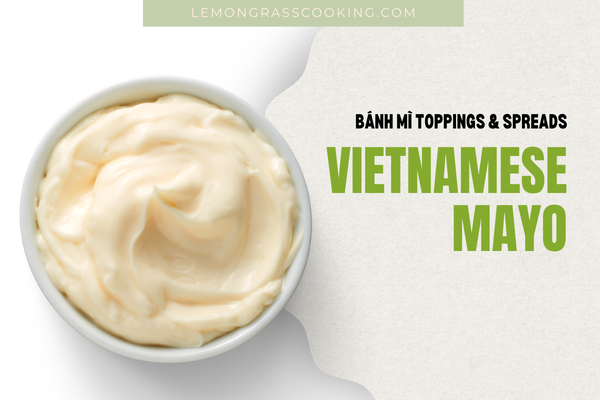
A signature element. Vietnamese mayo is richer and silkier than western mayo due to a higher egg content.
- Adds creaminess
- Softens the crumb of the baguette
- Balances salty proteins and bright pickles
Pâté
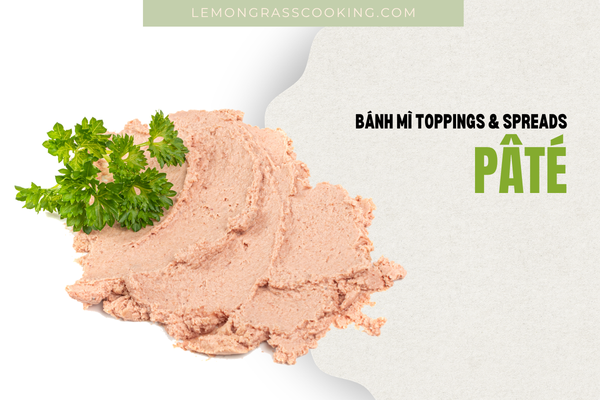
A hallmark of traditional Saigon-style bánh mì. Usually pork-based, smooth, and deeply savory.
- Adds umami and richness
- Anchors the sandwich with depth
- Complements grilled or roasted meats
Maggi Seasoning
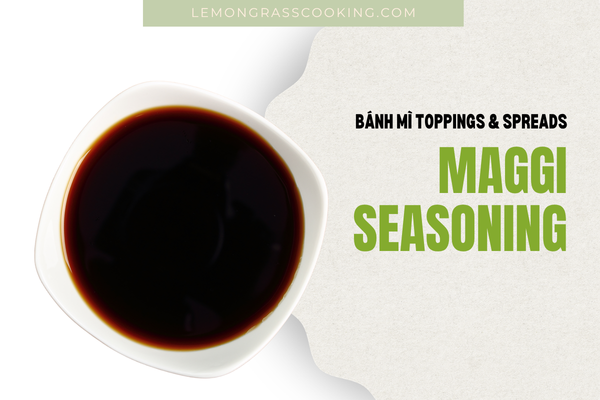
Not a spread, but often brushed directly onto the bread or mixed into mayo.
- Adds savory depth
- Enhances the meat’s flavor
- Creates the signature “bánh mì aroma” when it hits warm bread
- SHOP Maggi Seasoning
Butter
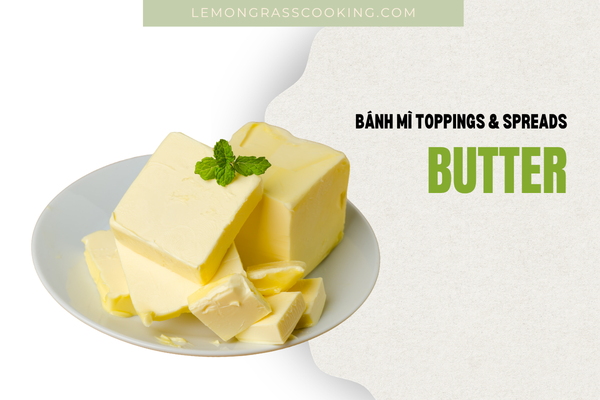
Used in some regional variations, especially in northern Vietnam.
- Adds richness
- Helps crisp the bread when toasted
- Softens the crust for easier eating
Pickled Toppings
Pickles are essential to any banh mi. They cut through the richness and bring brightness and crunch.
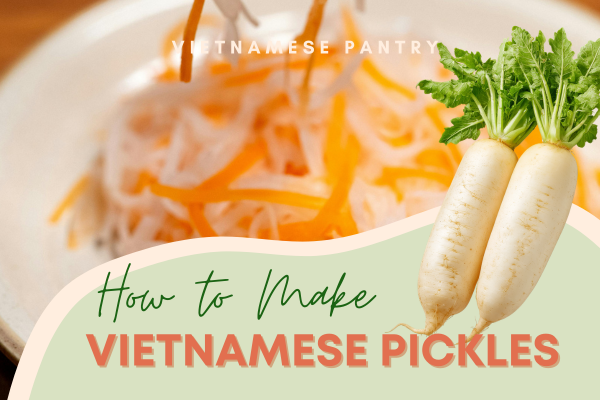
Pickled Carrot & Daikon
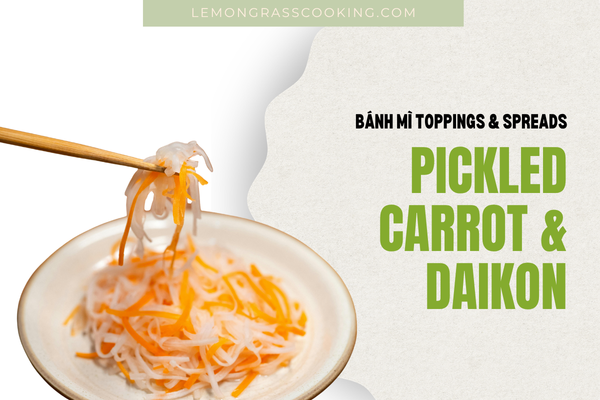
The most iconic bánh mì topping. Flavor profile is lightly sweet, mildly tangy, and crips and refreshing.
- Adds acidity
- Provides crunch
- Balances fatty proteins
- Related Recipe: House-Style Vietnamese Pickled Vegetables (Đồ Chua)
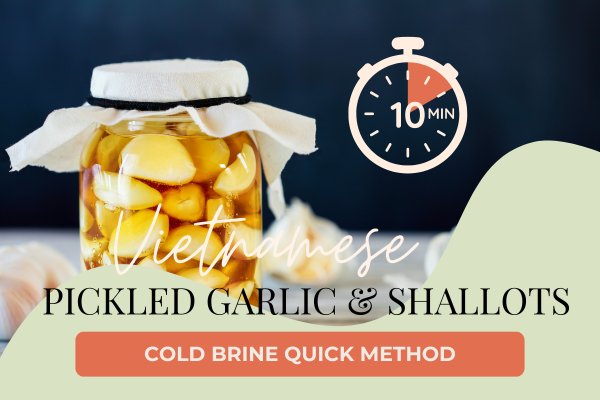
Pickled Shallots
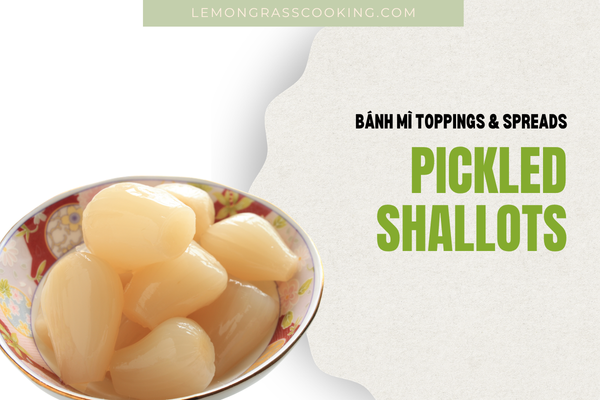
Less common but deeply aromatic.
- Adds sharpness
- Enhances grilled meats
- Provides a subtle allium note
- Related Recipe: How to Pickle Garlic and Shallots
Pickled Cucumbers
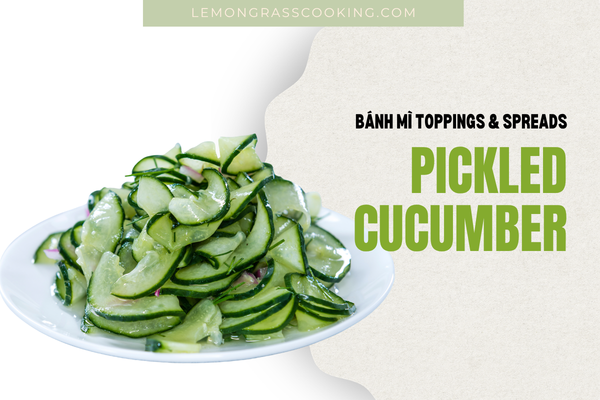
Used in some modern versions.
- Adds crunch
- Stays crisp even after assembly
- Works well with spicy proteins
Fresh Toppings
Freshness is a defining characteristic of Vietnamese cooking and cuisine. These toppings add brightness and lift to your favorite banh mi.
Cucumber
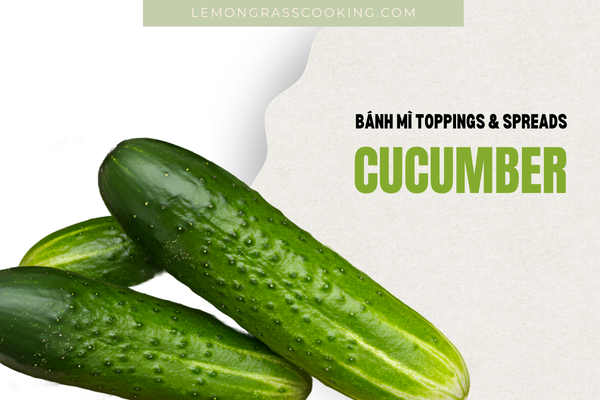
Thinly sliced, cool, and crisp.
- Adds hydration and crunch
- Balances heat from chiles
- Provides a refreshing bite
Cilantro (Coriander)
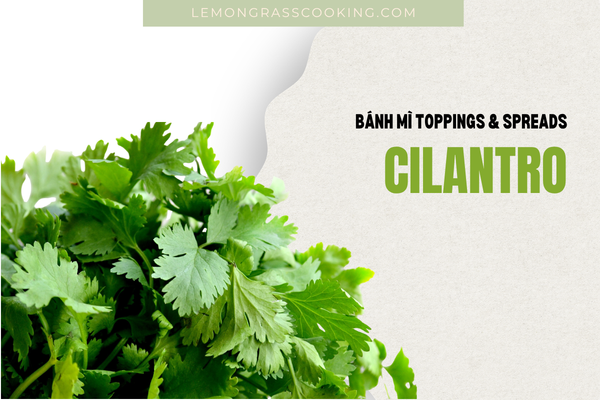
A must-have herb in bánh mì.
- Adds fragrance
- Provides herbal lift
- Completes the classic flavor profile
Jalapeño or Bird’s Eye Chili
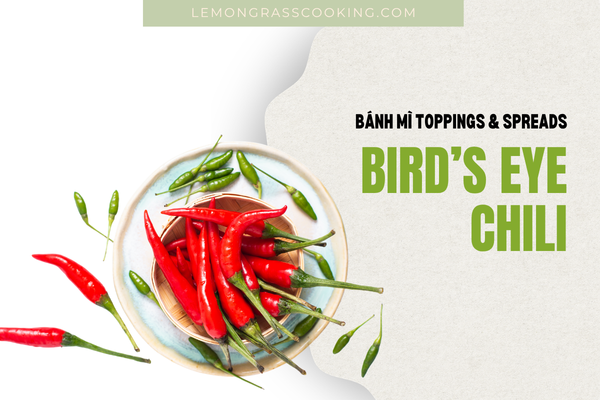
Heat is optional but traditional.
- Adds sharp, clean spice
- Cuts through richness
- Enhances the aromatic profile
Green Onions
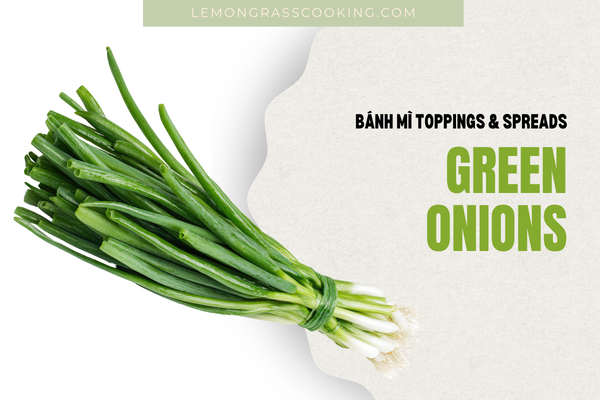
Used in some regional versions.
- Adds mild allium flavor
- Works especially well with grilled meats
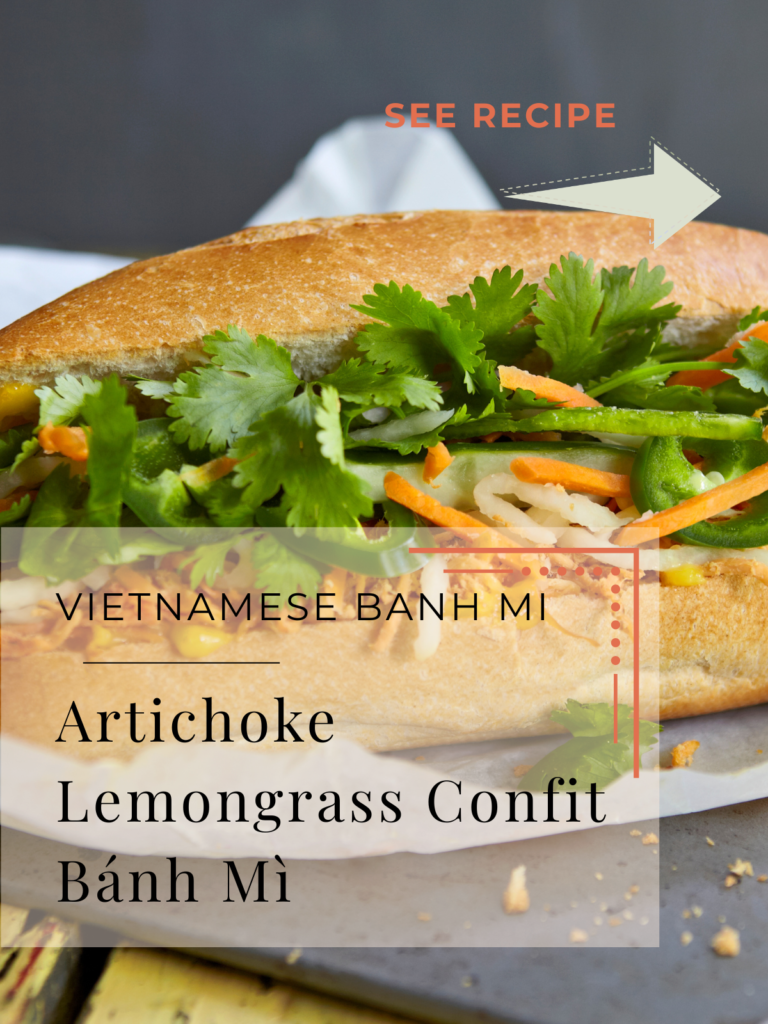
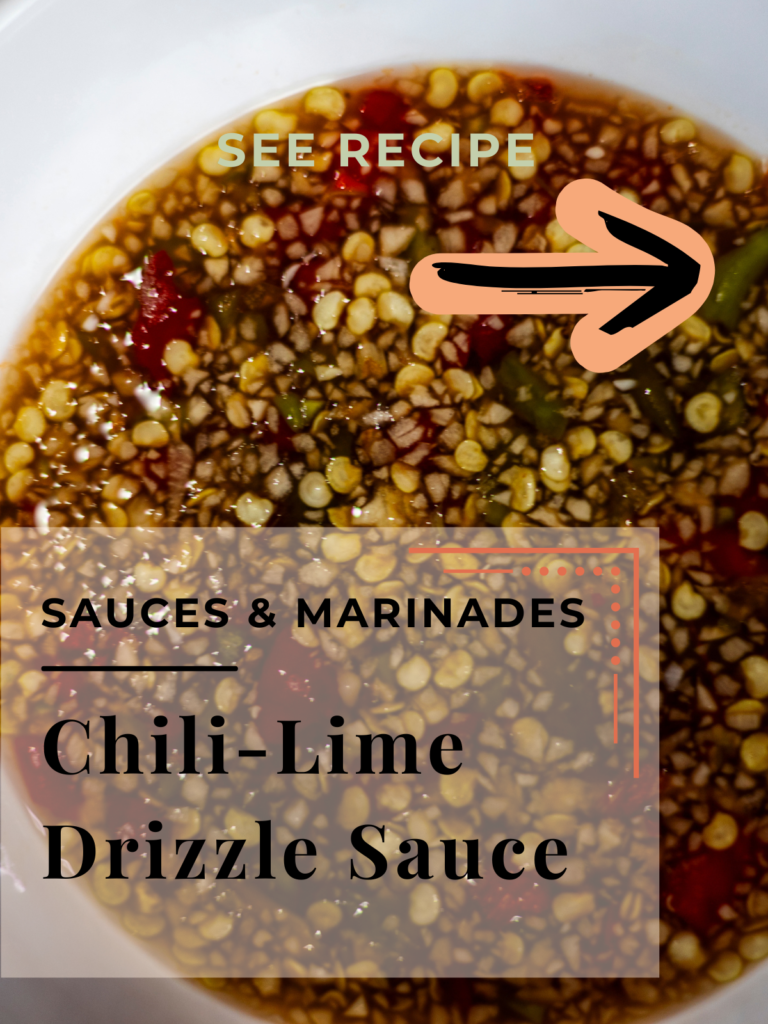
Featured Banh Mi Topping & Spread Recipes
Shop Pantry Ingredients for Vietnamese Banh Mi
The Essential Guide to Banh Mi Toppings & Spreads – A few minimal Vietnamese essentials to keep on hand for fast, flavorful cooking.
- Top Choice: Red Boat Fish Sauce
- Cooking Curry: Madras Curry Powder
- Premium Options: Soy Sauce
- Simple Ingredients: Rice Vinegar
- Heat & Spice: Chili Crisp Oil
- Umami Flavor Boost: Oyster Sauce & Mushroom Seasoning
- Creamy Thickener: Coconut Milk
- Aromatic Essence: Pandan Extract
- Perfect Finishing Sauce: Maggi Seasoning
This post may contain affiliate links. As an Amazon Associate, we earn from qualifying purchases. These small commissions help support the development of new recipes, pantry guides, and cooking resources on Lemongrass Cooking.
FAQ: The Essential Guide to Banh Mi Toppings & Spreads
What are the essential toppings in a traditional bánh mì? A classic Vietnamese bánh mì includes pâté, mayonnaise, pickled carrot and daikon, cucumber, cilantro, and fresh chiles. These toppings create the signature balance of richness, brightness, crunch, and heat that defines the sandwich.
Why is pâté used in bánh mì? Pâté reflects French culinary influence during colonial history, but Vietnam adapted it into something uniquely Vietnamese. It adds umami depth, richness, and a smooth contrast to crisp vegetables and grilled meats. In Saigon-style bánh mì, pâté is considered foundational.
Is mayonnaise required for bánh mì? Vietnamese mayonnaise is a defining spread in southern-style bánh mì. It adds creaminess and moisture, helping the sandwich hold together. Some northern versions use butter instead, but mayo remains the most common and widely recognized component.
What makes đồ chua (pickled carrot and daikon) so important? Đồ chua provides acidity and crunch, balancing the richness of pâté, mayo, and grilled meats. Without pickles, the sandwich loses its brightness and becomes heavy. The sweet‑tangy profile is essential to the Vietnamese flavor logic of contrast.
Can I use different pickles besides carrot and daikon? Yes. Pickled shallots, pickled cucumbers, and pickled red onions all work well. They’re not traditional, but they maintain the necessary acidity and crunch. Modern bánh mì shops often incorporate these variations.
What type of bread works best for bánh mì? Vietnamese baguettes are ideal: light, crisp, and airy. They shatter slightly when bitten, unlike dense French baguettes. If Vietnamese bread isn’t available, choose the lightest, crispiest baguette you can find and toast it lightly.
Why is Maggi seasoning used in bánh mì? Maggi became a pantry staple in Vietnam during the 20th century and is now inseparable from bánh mì identity. A small drizzle adds savory depth and enhances the meat’s flavor. It’s often brushed directly onto the bread or mixed into mayo.
Are jalapeños traditional in bánh mì? Yes. Fresh chiles—often bird’s eye chiles in Vietnam—add clean heat that cuts through richness. Jalapeños are widely used in the U.S. because they’re accessible and offer a similar flavor profile.
Can bánh mì be made vegetarian or vegan? Absolutely. Tofu, tempeh, mushrooms, or plant-based cold cuts work well. Vegan mayo and vegetable pâté can replace traditional spreads. The key is maintaining balance: savory protein, bright pickles, fresh herbs, and a crisp baguette.
How do regional differences affect bánh mì toppings? Southern (Saigon) bánh mì is layered and bold, with pâté, mayo, pickles, herbs, and multiple meats. Central Vietnam favors chili sauce and crispier bread. Northern Vietnam uses butter instead of mayo and keeps toppings minimal. These differences reflect local produce, climate, and culinary traditions.
Can I prepare bánh mì toppings ahead of time? Yes. Pickles last up to a week in the refrigerator. Pâté and mayo can be prepared or purchased ahead. Fresh herbs and cucumbers should be sliced the day of assembly for best texture.
How do I keep the bread from getting soggy? Lightly toast the baguette before assembling. The warm, crisp surface creates a barrier that prevents moisture from soaking in. Assemble right before serving for the best texture.
What’s the best way to layer toppings for balance? Start with spreads (mayo, pâté), add warm protein, then pickles, cucumber, herbs, and chiles. This order ensures moisture is evenly distributed and the bread stays crisp while the flavors remain balanced.
Are modern toppings acceptable in bánh mì? Yes. Bánh mì has always evolved. Modern additions like spicy mayo, pickled red onions, crispy shallots, avocado, or roasted peppers can work as long as the sandwich maintains Vietnamese balance: richness, freshness, acidity, heat, and crunch.