Vietnamese Pickles & Preserves (Đồ Chua): The Bright, Crunchy Backbone of Vietnamese Cooking
Vietnamese cuisine is built on balance — salty, sweet, sour, savory, fresh, cooked, crunchy, soft. Đồ chua, the iconic carrot‑and‑daikon pickle, is one of the quiet forces that keeps that balance intact. It’s the bright, refreshing counterpoint that cuts through rich meats, rounds out bowls, and brings life to everyday meals.
This pantry staple isn’t just a condiment. It’s a technique, a tradition, and a flavor logic that shows up everywhere from street stalls to home kitchens.
In This Guide: Vietnamese Pickles & Preserves
Why Pickles Matter in Vietnamese Cuisine
A Tradition Rooted in Preservation
Before refrigeration, Vietnamese households relied on pickling to extend the life of vegetables through hot seasons. Quick brines — light, bright, and fast — became the norm because they fit the climate and the cuisine.
A Flavor Multiplier
Đồ chua isn’t meant to dominate. It’s meant to lift:
- Cuts through fatty pork belly
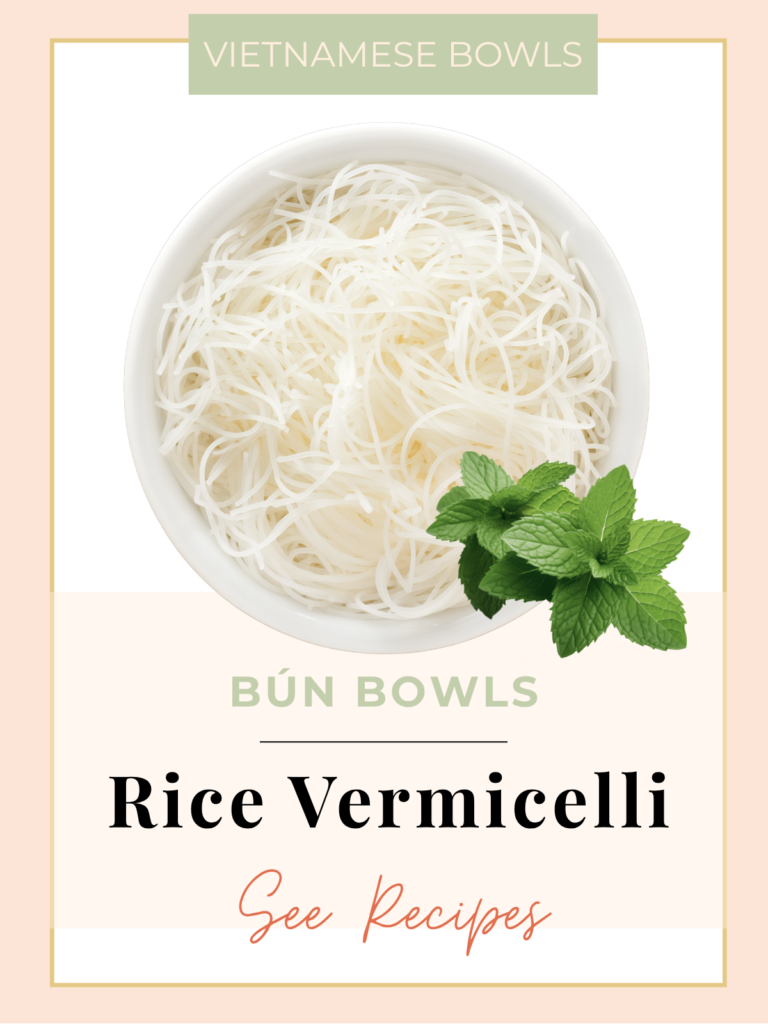
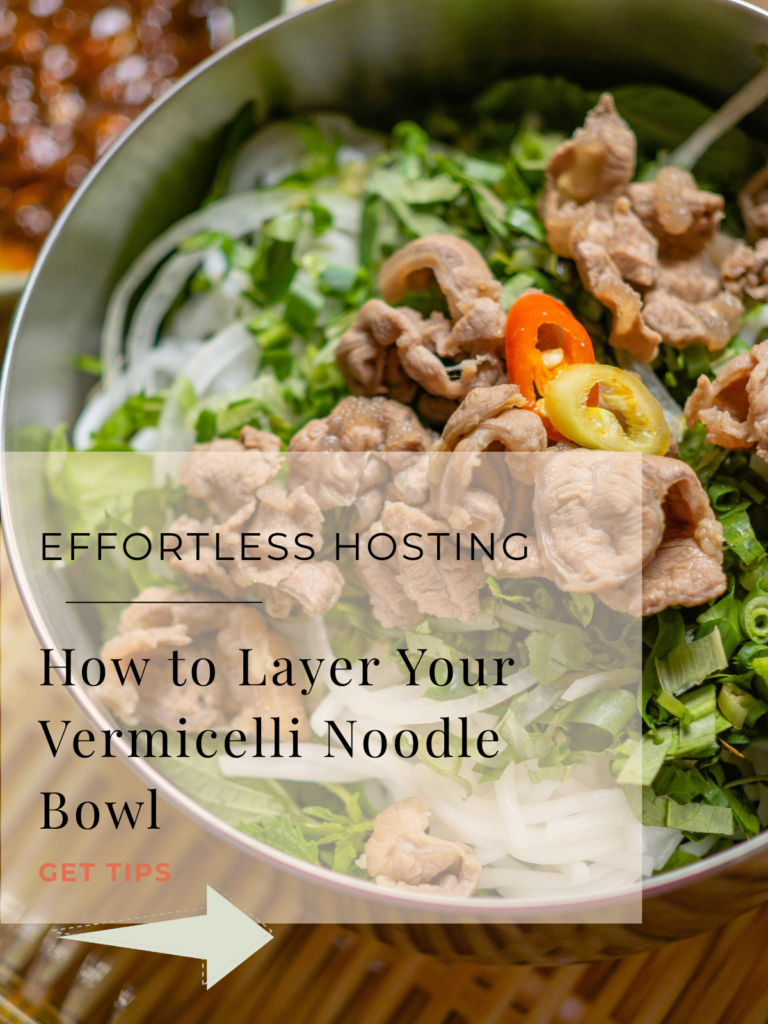
- Adds crunch to soft noodles
- Balances grilled meats
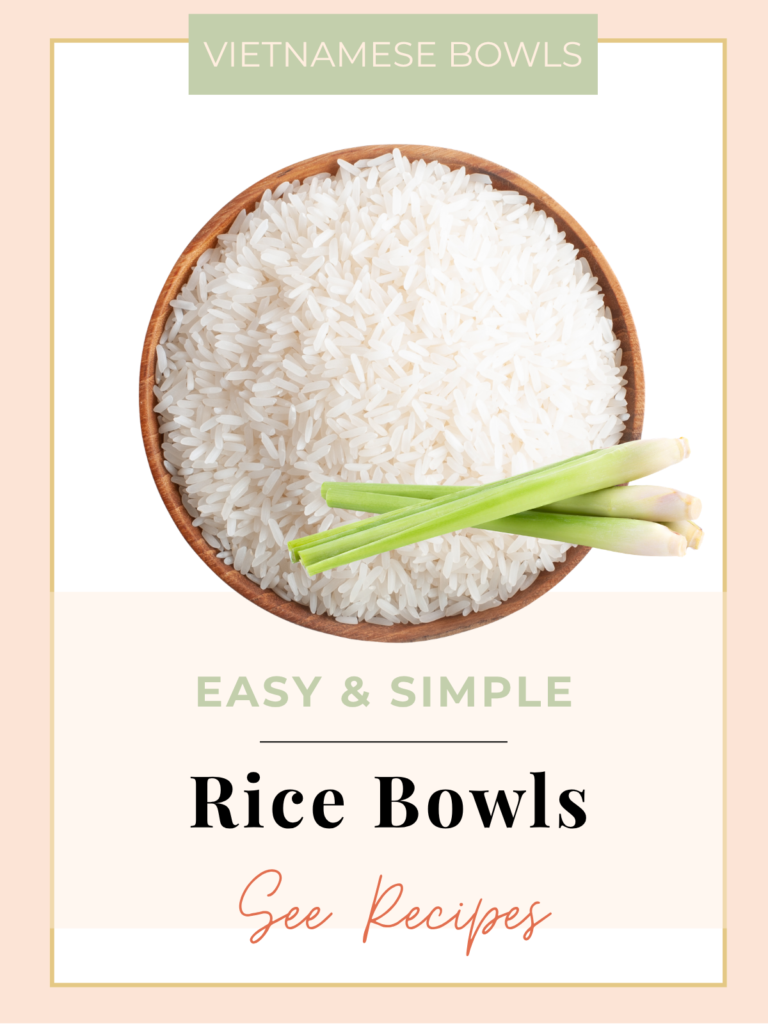
- Brightens rice bowls and bánh mì
- Brings acidity without heaviness
It’s the same principle behind nước chấm: acid + sweetness + freshness = balance.
A Pantry Staple That Works Hard
A jar of Vietnamese pickles in the fridge means:
- Instant bowl-building
- Faster weeknight meals
- Built-in brightness
- A way to use up produce before it goes soft
This is why nearly every Vietnamese household keeps a jar ready.
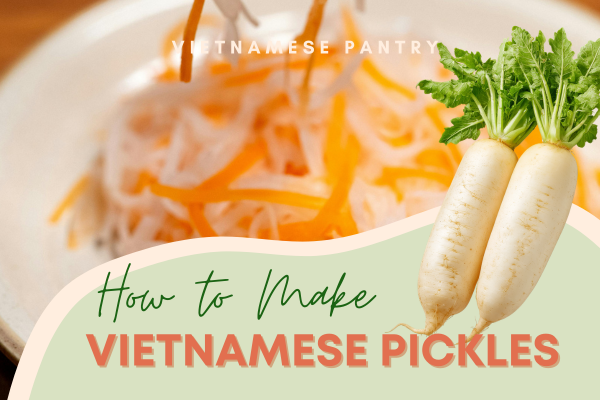
How to Make Vietnamese Pickles (Đồ Chua)
A simple, modern quick-pickle method: 5-ingredients + water
Ingredients Overview
- 1 medium daikon, julienned
- 2 large carrots, julienned
- 1 tsp salt (for drawing out moisture)
Brine:
- 1 tsp salt
- 1 cup warm water
- ½ cup white vinegar (or rice vinegar for softer acidity)
- ½ cup sugar
5-Steps: The Vietnamese Pickling Method
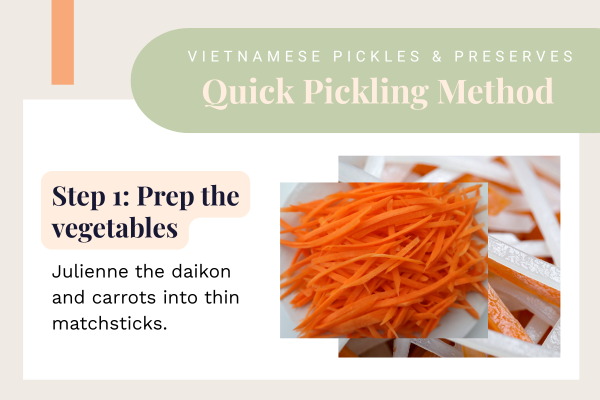
- STEP 1: Prep the vegetables Julienne the daikon and carrots into thin matchsticks.
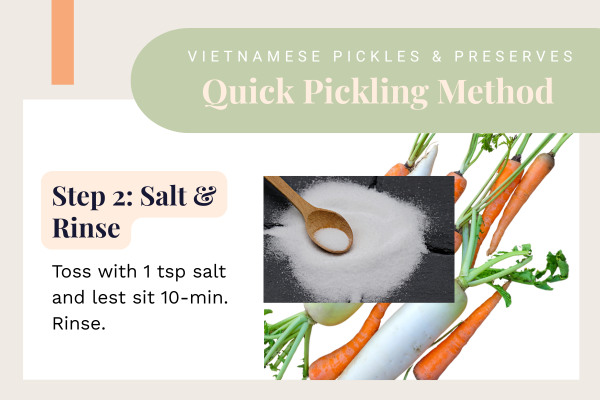
- STEP 2: Salt + rinse Toss with 1 tsp salt and let sit 10 minutes. This draws out moisture and keeps the pickles crisp. Rinse and drain well.
- STEP 3: Make the brine Whisk warm water, vinegar, sugar, and salt until dissolved.
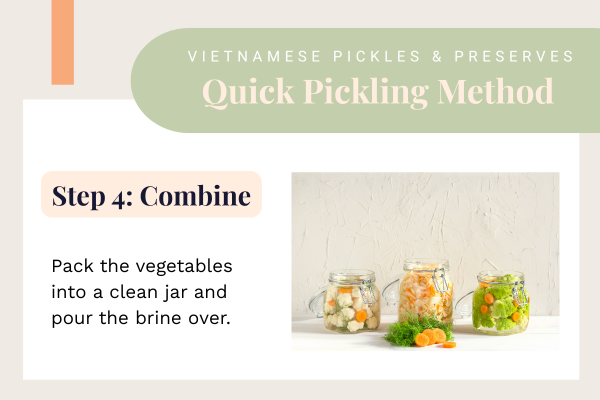
- STEP 4: Combine Pack the vegetables into a clean jar and pour the brine over.
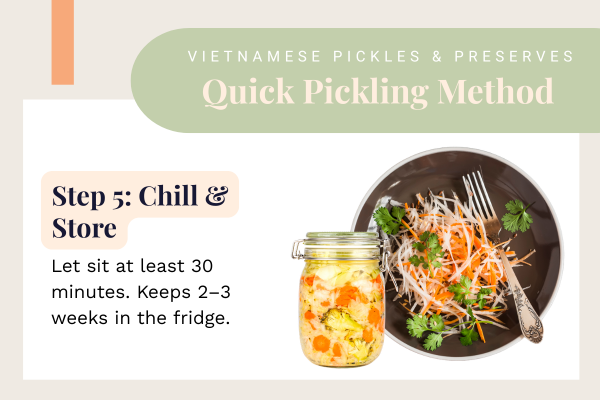
- STEP 5: Chill Let sit at least 30 minutes. Best after 2–3 hours. Store Keeps 2–3 weeks in the fridge.
How to Use Vietnamese Pickles
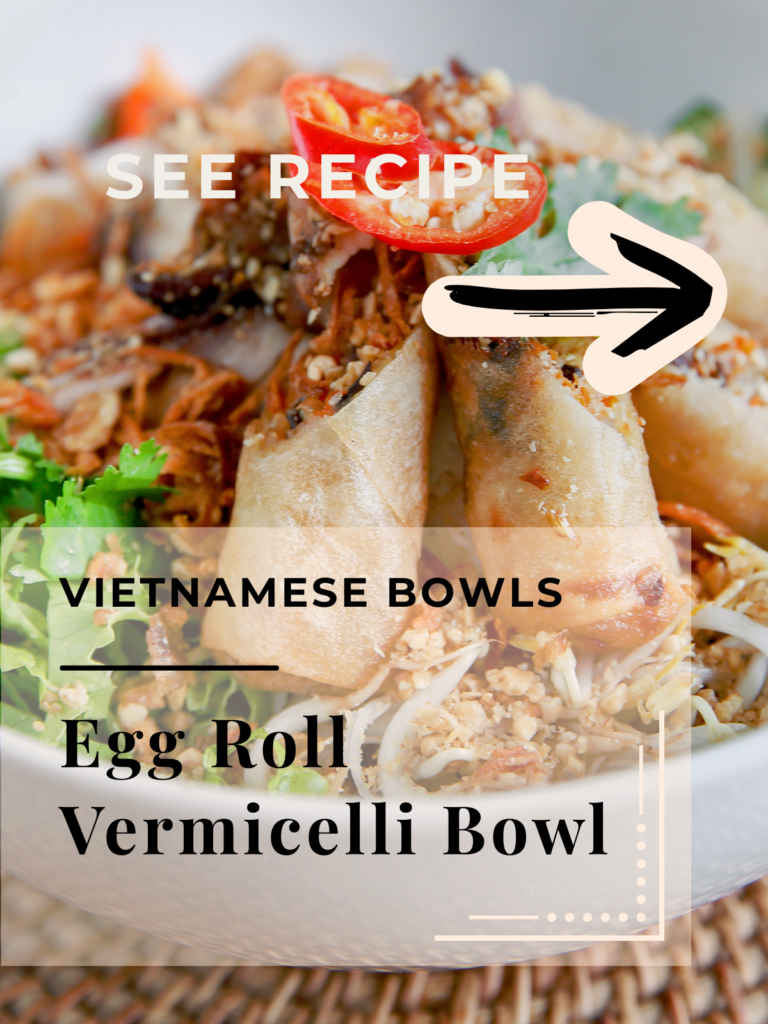

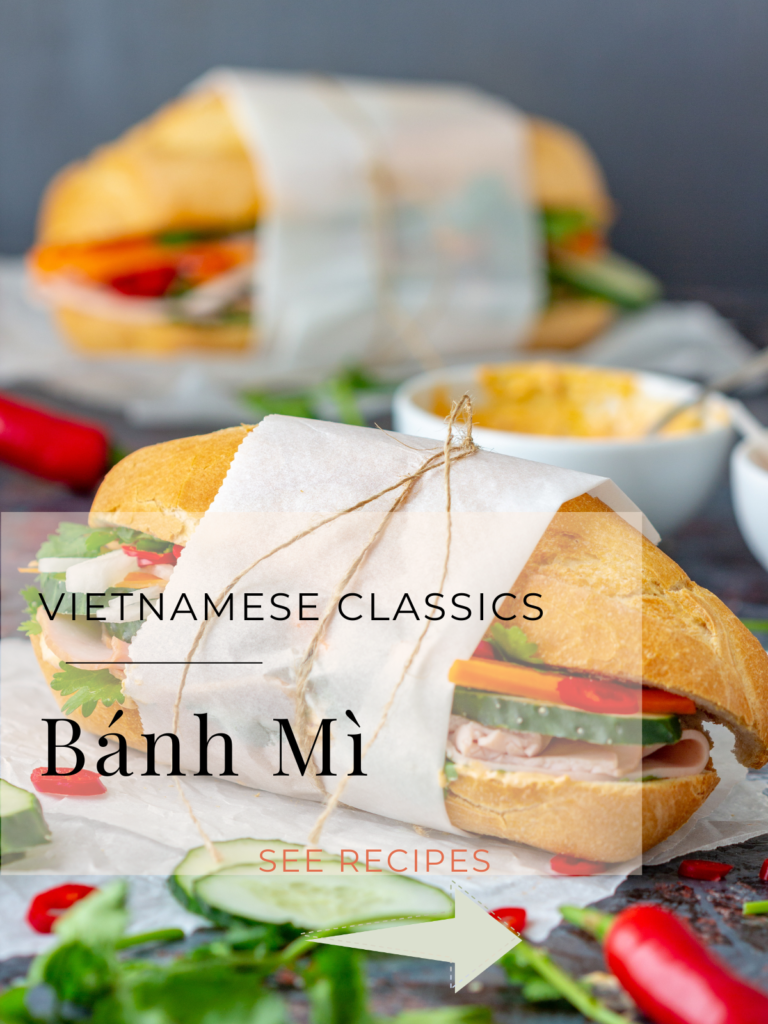
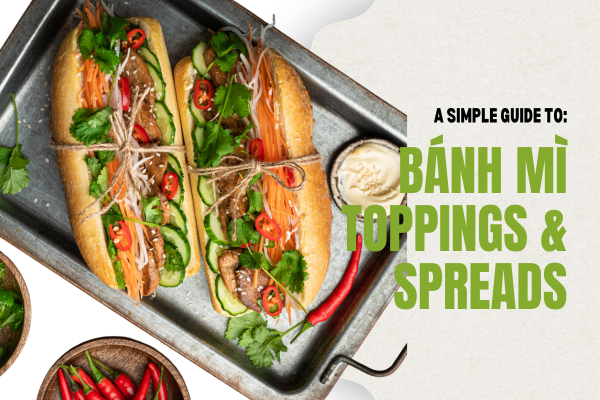
Variations to Try
Vietnamese quick pickles aren’t limited to carrot and daikon. The real technique is the light, bright, sweet‑tart brine — and almost anything can be pickled the Vietnamese way. Think of this as a flavor framework you can apply to whatever’s in your crisper.
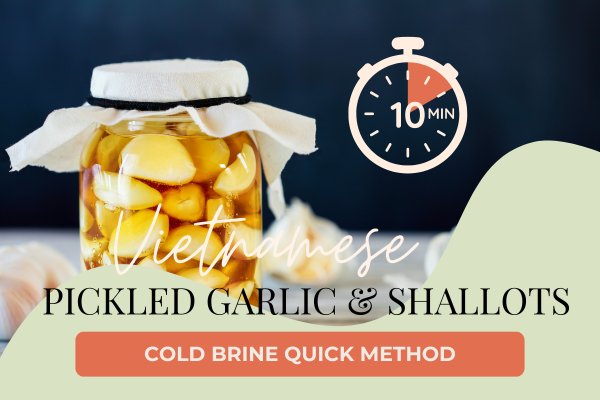
Spicy Chili + Garlic Thinly sliced Thai chiles and smashed garlic cloves for a punchy, bánh‑mì‑shop vibe.
Golden Turmeric Pickles A pinch of ground turmeric or a few slices of fresh turmeric root for color and warmth.
Ginger‑Lifted Đồ Chua Add matchsticks of fresh ginger for a clean, aromatic kick that pairs beautifully with grilled meats.
Lemongrass Fragrance Bruised lemongrass stalks infuse the brine with citrusy depth — great for noodle bowls.
Cucumber Quick Pickles Persian or mini cucumbers sliced thin for a refreshing, bánh‑mì‑friendly crunch.

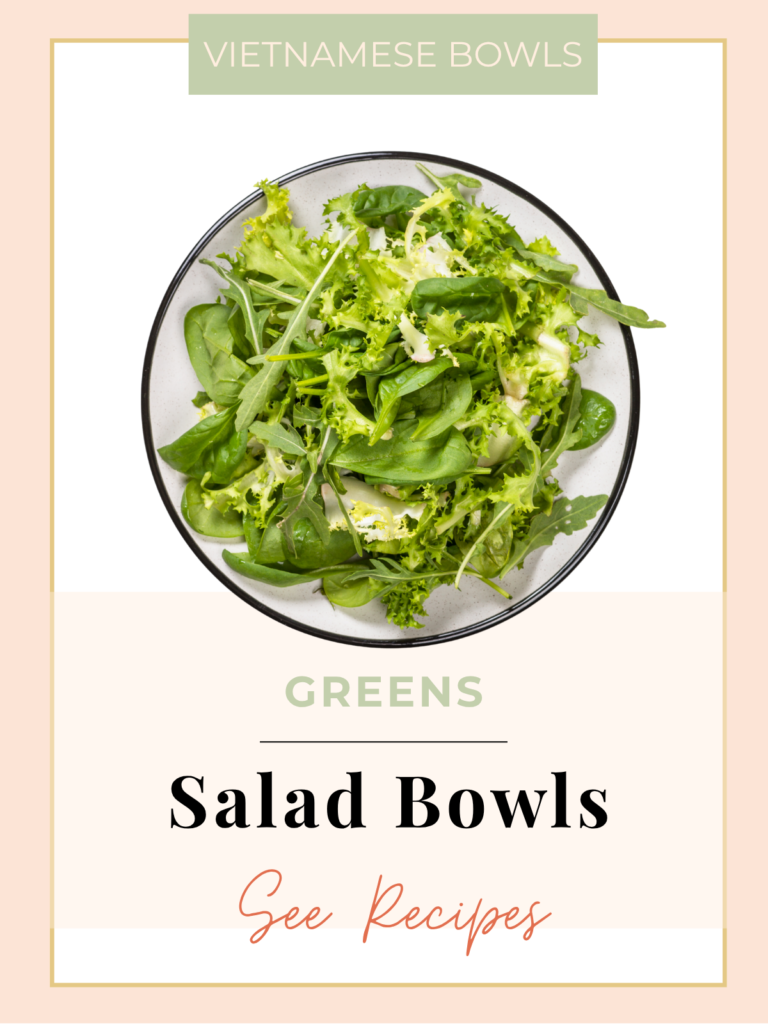
Red Onion + Shallot Adds color and a mild bite; perfect for rice bowls and salads.
Watermelon Radish or Purple Daikon For a modern, rainbow‑forward twist that photographs beautifully.
Green Papaya Pickles A nod to central Vietnamese cooking — crisp, neutral, and great for balancing rich dishes.
Jalapeño Rounds A mild, accessible heat that works with everything from grilled chicken to tacos.
Cabbage Ribbons Shredded cabbage softens into a tangy slaw that’s perfect for weeknight bowls.
Pineapple + Chili A playful, modern variation — sweet, tart, spicy, and incredible with pork.
Carrot‑Only (Kid‑Friendly) All carrot, no daikon, for a sweeter, gentler pickle.
Anything‑Goes Crisper Clean‑Out Radish ends, leftover herbs, half a bell pepper, that last lonely cucumber — if it’s crisp, it can be pickled.
FAQ: Vietnamese Pickles & Preserves
How long do Vietnamese pickles last? They keep well for 2–3 weeks in the fridge. The texture softens over time, but the flavor stays bright.
Why do you salt the vegetables first? Salting draws out excess moisture, which keeps the pickles crisp and prevents the brine from becoming diluted.
Can I reduce the sugar? Yes, but sugar is part of the Vietnamese flavor balance. Reducing too much can make the pickles sharp instead of lightly sweet‑tart.
Can I use other vegetables besides carrot and daikon? Definitely. Radish, cucumber, green papaya, red onion, cabbage, and jalapeños all work well in the same quick brine.
Can I reuse the brine? You can reuse it once. Strain, bring it back to a boil, cool completely, and pour over a fresh batch of vegetables.
Why does my đồ chua smell strong? Daikon naturally has a sulfur aroma. Rinsing after salting helps, and using rice vinegar instead of distilled vinegar softens the scent.
Do I need to sterilize the jars? Not for quick pickles stored in the fridge. Just wash with hot, soapy water and dry well.
Can I make a no‑daikon version? Yes — use all carrot, or swap in cucumber, radish, or green papaya for a similar crunch.
How soon can I eat them? They’re tasty after 30 minutes, but best after 2–3 hours when the flavors settle.
Shop Pantry Ingredients for Vietnamese Pickles & Preserves
A few minimal Vietnamese essentials to keep on hand for fast, flavorful cooking.

- Tested & Recommended: Rice Vermicelli Noodles (Bun)
- Pantry Basic: Premium Jasmine Rice
- Top Choice: Red Boat Fish Sauce
- Premium Options: Soy Sauce
- Simple Ingredients: Rice Vinegar
- Umami Flavor Boost: Oyster Sauce & Mushroom Seasoning
- Creamy Thickener: Coconut Milk
- Perfect Finishing Sauce: Maggi Seasoning
- Pickling Jars: Shop Options
This post may contain affiliate links. As an Amazon Associate, we earn from qualifying purchases. These small commissions help support the development of new recipes, pantry guides, and cooking resources on Lemongrass Cooking.
Build Your Vietnamese Pantry
More Ways to Explore