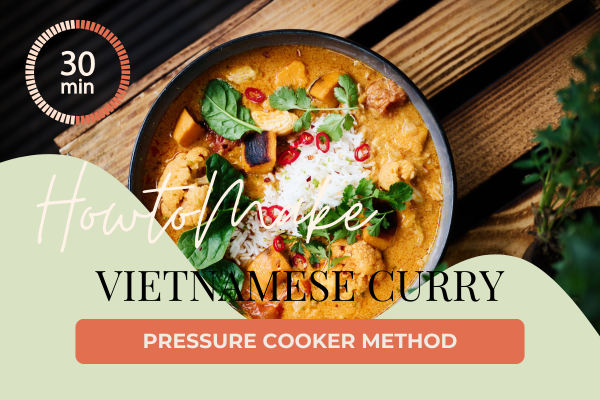
Pressure Cooker Vietnamese Chicken Curry
Aromatic, 10‑Minute Pressure Cooker Cà Ri Gà” This pressure cooker Vietnamese chicken curry delivers deep, aromatic flavor in a fraction of the usual simmer time. Lemongrass, curry powder, and tender chicken come together in a light, brothy curry that stays true to classic cà ri gà while fitting into a modern weeknight routine.
The pressure cooker concentrates the aromatics, softens the vegetables, and keeps the chicken juicy. The result is a clean, bright curry that pairs effortlessly with rice, bún, or crusty bread.
In This Recipe Guide
Why This Vietnamese Curry Recipe Works
- The broth stays clean, golden, and deeply fragrant.
- Vietnamese curry is naturally lighter and more aromatic than Thai or Indian curries.
- Lemongrass, curry powder, and turmeric bloom beautifully under pressure.
- Bone‑in chicken becomes tender in minutes.
- Potatoes and carrots soften without breaking apart.
Ingredient Notes
Chicken: Bone‑in thighs or drumsticks give the curry its signature richness.
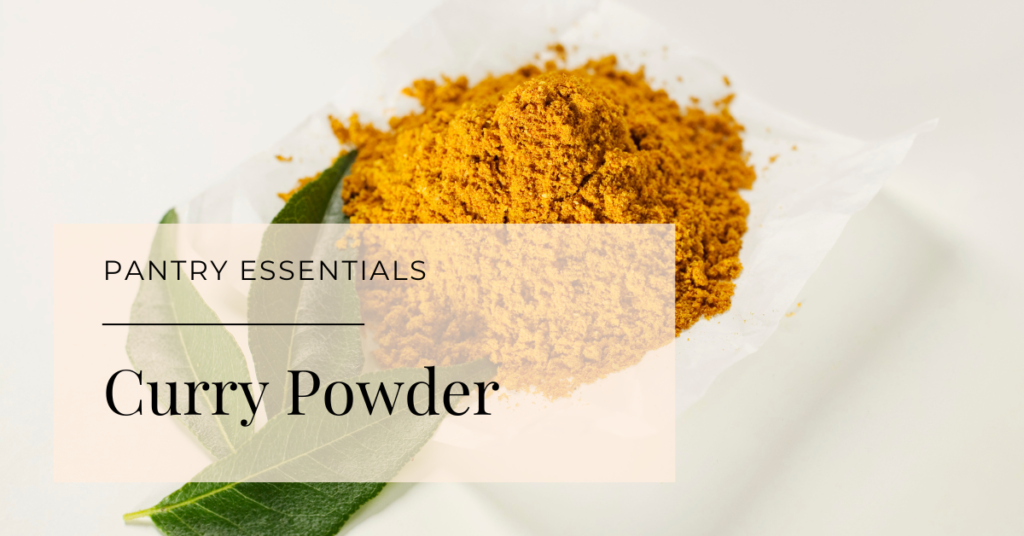
Curry powder: Vietnamese curry powder (often Madras‑style) provides warmth without heaviness.
Lemongrass: Essential for brightness and aroma.
Coconut milk: A small amount keeps the curry light and balanced.
Potatoes and carrots: Classic vegetables that hold up well under pressure.
How to Make Pressure Cooker Vietnamese Chicken Curry
- Build the base. Sauté onion, garlic, ginger, and lemongrass until fragrant. Bloom the curry powder and turmeric to deepen the flavor.
- Add the chicken. Coat the chicken in the aromatics so the spices cling to the skin and bones.
- Add liquid and vegetables. Pour in stock and a splash of coconut milk. Layer potatoes and carrots on top.
- Pressure cook. High pressure for 10 minutes, then natural release for 10 minutes.
- Finish and season. Remove lemongrass and adjust seasoning with fish sauce, salt, and pepper.
Simple Serving Suggestions
- Jasmine rice for a classic pairing
- Bún for a lighter bowl
- Crusty bread for the traditional Vietnamese curry experience
Suggested Recipe Pairings:
- Vietnamese Herb & Citrus Slaw with Chili‑Lime Dressing
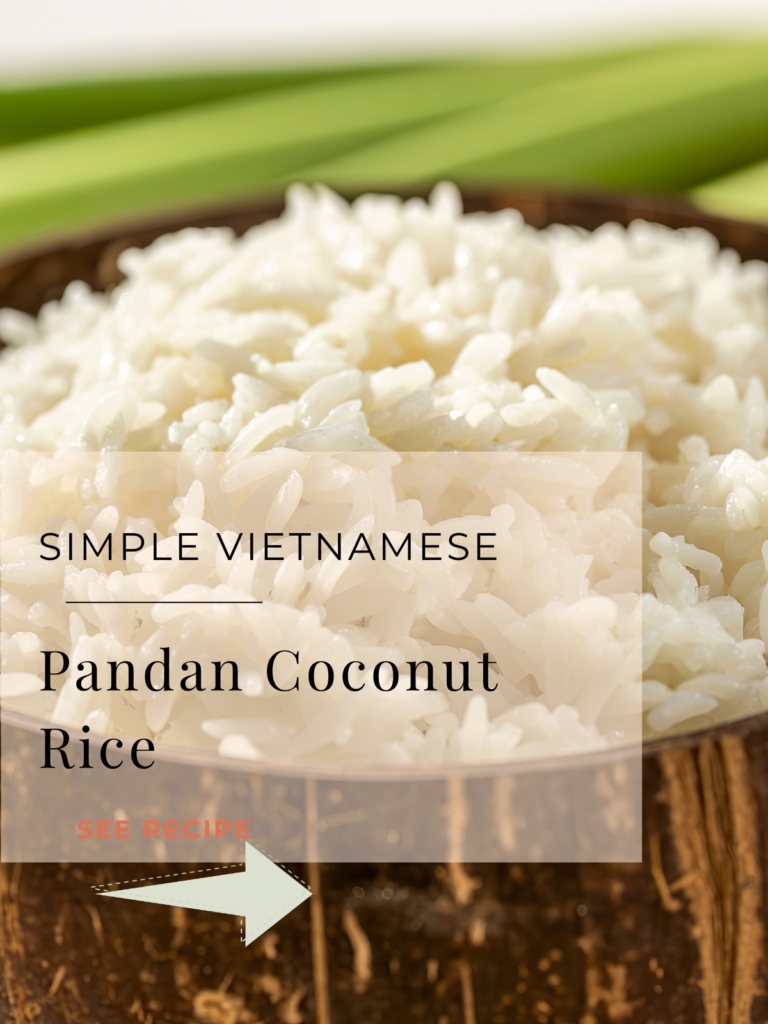
- Easy Pandan Coconut Rice
- 5 Minute Pandan Coconut Cooler
Tips for Curry Success
- Blooming the curry powder is essential for depth.
- Keep coconut milk light to maintain the signature Vietnamese brothiness.
- Add more stock after cooking if you prefer a soupier curry.
- Stir in extra coconut milk at the end for a richer finish.
Variations to Try
- Swap chicken for bone‑in turkey or pork shoulder.
- Add sweet potato for extra sweetness.
- Stir in a handful of spinach at the end for color.
- Add chili oil or fresh chiles for heat.
More Vietnamese Curry & Pressure Cooker Recipes:
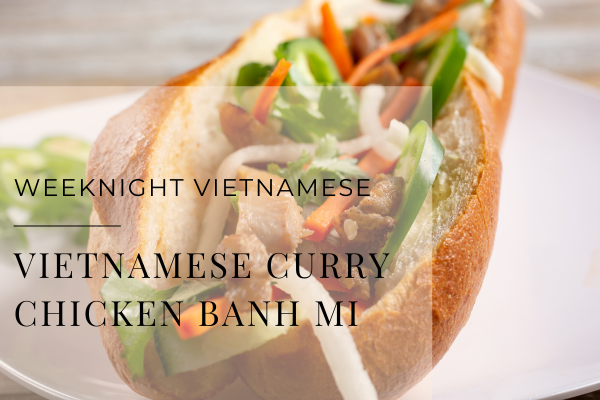
- Vietnamese Curry Chicken Bánh Mì
- Vietnamese Chicken Curry (Cà Ri Gà)
- Weeknight Chicken Pho Pressure Cooker Broth (Pho Ga)
- Home‑Style Vietnamese Beef Pho Broth in the Pressure Cooker
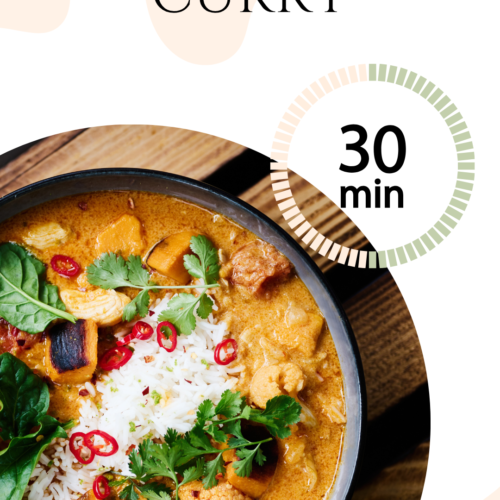
Home‑Style Vietnamese Chicken Curry (Cà Ri Gà) — 10‑Minute Pressure Cooker
Equipment
- Instant Pot or Pressure Cooker
- Cutting board & knife
Ingredients
- 2 lbs bone-in chicken thighs or drumsticks
- 1 onion sliced
- 4 cloves garlic minced
- 1 tablespoon ginger minced
- 2 stalks lemongrass bruised
- 2 to 3 tablespoons Vietnamese or Madras curry powder
- 1 teaspoon turmeric
- 2 carrots cut into chunks
- 2 Yukon potatoes cut into chunks
- 1 cup chicken stock
- 1/4 cup coconut milk
- 1 tablespoon fish sauce
- Salt and pepper to taste
Instructions
- Sauté onion, garlic, ginger, and lemongrass in the pressure cooker until fragrant.
- Add curry powder and turmeric and cook briefly to bloom the spices.
- Season chicken with salt and pepper and add to the pot, coating in the aromatics.
- Pour in chicken stock and coconut milk.
- Add potatoes and carrots on top.
- Seal and cook on high pressure for 10 minutes.
- Allow natural release for 10 minutes.
- Remove lemongrass and adjust seasoning with fish sauce, salt, and pepper.
Notes
- Bone-in chicken delivers the best flavor and texture.
- Yukon potatoes hold their shape better under pressure.
- Add more coconut milk after cooking for a richer curry.
- Serve with rice, bún, or crusty bread.
Shop Pantry Ingredients for Vietnamese Curry Recipes
A few minimal Vietnamese essentials to keep on hand for fast, flavorful cooking.
- Top Choice: Red Boat Fish Sauce
- Cooking Curry: Madras Curry Powder
- Premium Options: Soy Sauce
- Simple Ingredients: Rice Vinegar
- Umami Flavor Boost: Oyster Sauce & Mushroom Seasoning
- Creamy Thickener: Coconut Milk
- Perfect Finishing Sauce: Maggi Seasoning
Shop Top Choice Equipment: Premium Pressure Cookers
This post may contain affiliate links. As an Amazon Associate, we earn from qualifying purchases. These small commissions help support the development of new recipes, pantry guides, and cooking resources on Lemongrass Cooking.
FAQ: Pressure Cooker Vietnamese Chicken Curry
Is Vietnamese curry the same as Thai or Indian curry? No. Vietnamese curry sits in its own lane. It’s lighter, more brothy, and built around lemongrass and Madras‑style curry powder — a reflection of French colonial influence and trade routes that brought Indian spices into southern Vietnam. The broth is meant to be sipped, not thickened, which is why it pairs naturally with bread, rice, or noodles.
Why is lemongrass essential in Vietnamese curry? Lemongrass is one of the defining aromatics of southern Vietnamese cooking. It brings brightness and lift to dishes that use warm spices. In curry, lemongrass keeps the broth clean and fragrant instead of heavy, which is why it’s never skipped in home‑style versions.
Why do Vietnamese families serve curry with bread? Serving cà ri gà with crusty bread is a long‑standing southern tradition. It reflects the French influence on Vietnamese cuisine — the same influence that gave rise to bánh mì. The light, brothy curry soaks beautifully into bread, making it a natural pairing in Vietnamese households.
Why is Vietnamese curry usually made with chicken? Chicken is the most common protein because it cooks quickly, absorbs aromatics well, and fits the everyday, home‑style nature of the dish. In southern Vietnam, cà ri gà is often served at family gatherings, casual celebrations, and Sunday meals — chicken keeps it approachable and comforting.
Why does Vietnamese curry use Madras‑style curry powder? Vietnamese curry powder blends were shaped by Indian and Malaysian trade routes. Madras‑style blends became popular because they’re warm, aromatic, and not overly spicy. They complement lemongrass and coconut milk without overpowering them. Many Vietnamese brands still follow this profile today.
Why is the broth lighter than other curries? Vietnamese curry is meant to be spoonable and brothy. The goal is balance — warmth from spices, brightness from lemongrass, and richness from a small amount of coconut milk. This reflects the broader Vietnamese cooking philosophy: clean flavors, layered aromatics, and a broth that doesn’t weigh you down.
Can I make this without coconut milk? Yes. Many home cooks use only a splash or skip it entirely, especially in everyday meals. Coconut milk adds richness, but the core flavor comes from lemongrass and curry powder. Without coconut milk, the curry becomes even lighter and more broth‑forward.
Why do potatoes and carrots always appear in Vietnamese curry? These vegetables became staples in southern Vietnamese curry because they absorb flavor well and stretch the dish to feed more people — a practical and cultural value in Vietnamese home cooking. Potatoes also mellow the spices, making the curry family‑friendly.
Can I use boneless chicken? You can, but bone‑in chicken is traditional because it enriches the broth. Vietnamese curries are built around broth quality, and bones contribute depth that boneless cuts can’t replicate.
Is Vietnamese curry spicy? Not typically. Heat is optional and added to taste. The base curry is warm and aromatic, not fiery — another reflection of its southern Vietnamese roots, where sweetness and fragrance often take priority over heat.
Can this curry be made ahead? Yes. Like many Vietnamese braises and soups, the flavor deepens overnight. The spices settle, the broth rounds out, and the aromatics meld together. It’s a classic make‑ahead dish for gatherings.
Explore The Vietnamese Pantry Guide
Get Tips and Tricks to Build Your Vietnamese Pantry
- Vietnamese Bánh Mì Recipes
- Vietnamese Pickles & Preserves
- Vietnamese Aromatics & Herbs
- Vietnamese Noodles & Rice
- SEE MORE: Pantry & Kitchen Gear
Browse More Effortless Vietnamese Recipes