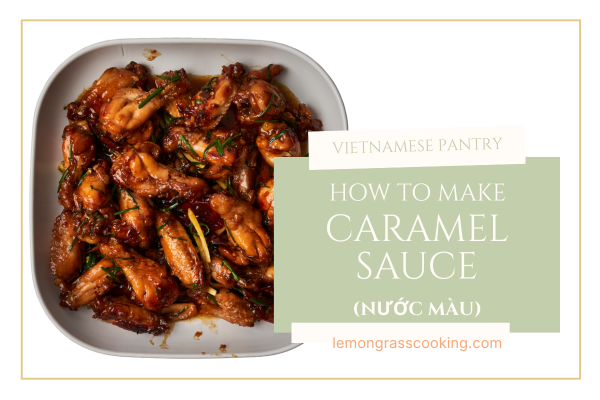
How To Make Vietnamese Caramel Sauce (Nước Màu)
Nước màu is one of the quiet pillars of Vietnamese cooking. It’s the deep amber caramel that gives kho dishes their signature color, gloss, and gentle bitterness. Every family makes it slightly differently, but the heart of nước màu is always the same: slow‑cooked sugar that transforms into something smoky, savory, and unmistakably Vietnamese.
This guide explains what it is, how it works, and how to use it across your Vietnamese recipes.
In This Vietnamese Pantry Guide
What Is Nước Màu?
Nước màu is a Vietnamese caramel sauce made by cooking sugar until it darkens into a deep amber or mahogany color, then stopping the cooking with water. It’s not a dessert caramel — it’s a savory caramel used to:
- Add color
- Add depth
- Add a subtle bitter‑sweet backbone
- Build the base of kho dishes
It’s the flavor that makes thịt kho, cá kho, and sườn ram taste like home.
Why Nước Màu Matters in Vietnamese Cooking
Nước màu is more than a technique — it’s cultural muscle memory. It’s the first step in many braises, and the moment the kitchen fills with that warm, toasty aroma is when a dish truly begins.
It brings:
- Color: the glossy, amber finish on kho dishes
- Balance: bitterness to offset sweetness
- Depth: a slow‑cooked flavor that tastes like hours of work
- Identity: the unmistakable flavor of Vietnamese home cooking
Every region uses it differently, but the foundation is universal.
The SIMPLE Ingredients to Make Vietnamese Caramel Sauce
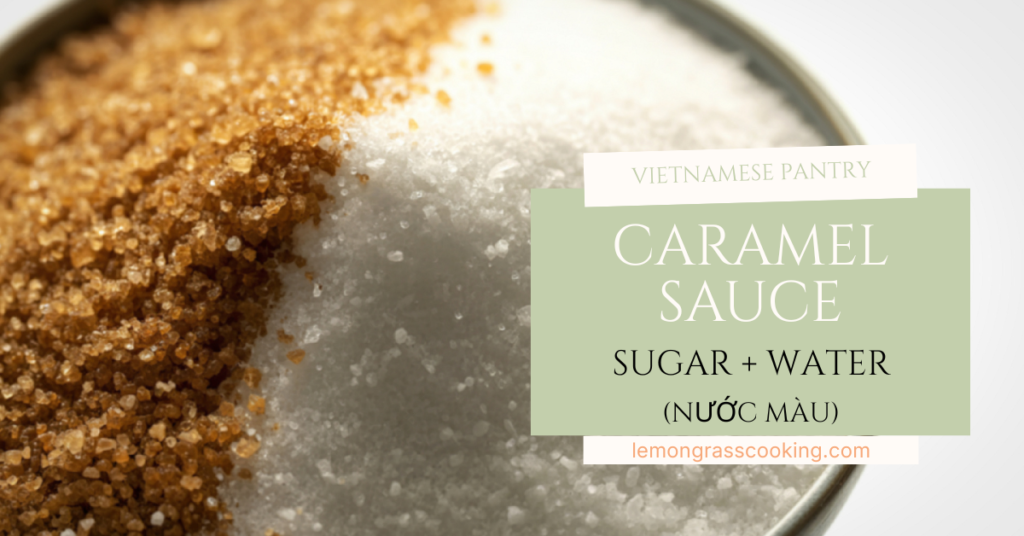
- Sugar
- Water
Optional: a splash of fish sauce for extra depth.
That’s it — nước màu is proof that simple ingredients can create complex flavor.
How to Make Nước Màu
1. Melt the sugar Cook sugar over medium heat until it melts and turns amber. Stir gently to help it color evenly.
2. Let it darken The color should deepen to a rich mahogany. This is where the bitterness develops.
3. Stop the cooking Add warm water carefully. The caramel will bubble vigorously.
4. Simmer Let it dissolve into a smooth, glossy sauce.
5. Store Keep in a jar for up to a month. It’s ready whenever you need it.
Proportion Tips for Making Nước Màu
Base Ratio The classic nước màu ratio is: 1 cup sugar : 1/2 cup water This creates a medium‑thick caramel that stores well and works for all kho dishes.
Small‑Batch Ratio For a quick jar: 1/2 cup sugar : 1/4 cup water
Thicker, darker nước màu Use less water: 1 cup sugar : 1/3 cup water This produces a deeper color and more bitterness — ideal for thịt kho and sườn ram.
Lighter, more pourable nước màu Use more water: 1 cup sugar : 3/4 cup water This is better for fish dishes or lighter braises.
Coconut Water Version (Nước Màu Dừa) Replace water with coconut water: 1 cup sugar : 1/2 cup coconut water Adds shine and a subtle sweetness common in Southern cooking.
Fish Sauce Stop Method For a deeper, more savory base: 1 cup sugar : 2–3 tablespoons fish sauce This creates a darker, saltier caramel used in some traditional kho recipes.
Color Guide (Most Important Cultural Cue) Vietnamese cooks judge nước màu by color, not just ratios:
- Light amber → too early, flavor will be flat
- Deep amber → balanced bitterness, ideal
- Mahogany → strong, smoky, perfect for pork belly
- Very dark brown → seconds away from burnt
Yield Tip Sugar reduces by about 30–40% once caramelized. 1 cup sugar yields roughly 2/3 cup nước màu.
How to Use Nước Màu
Use nước màu as the base for:
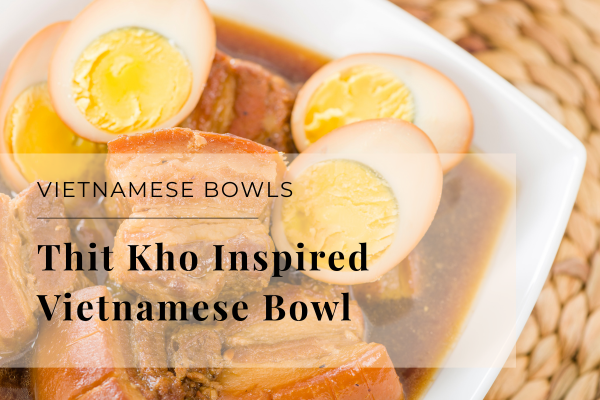
- Thịt kho (caramelized pork belly)
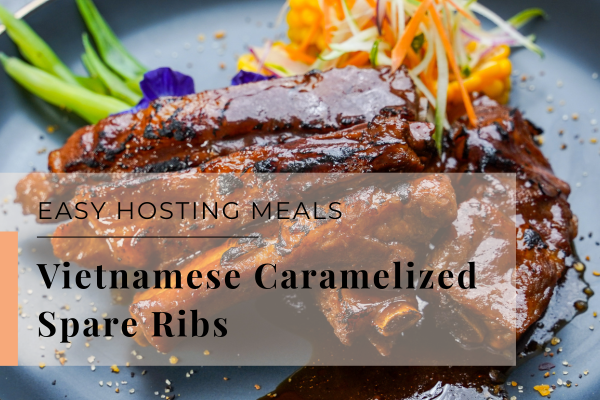
- Sườn ram mặn (caramelized spare ribs)
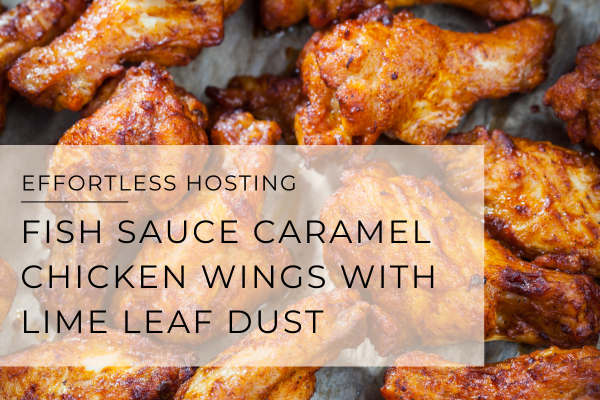
- Gà kho (caramelized chicken)
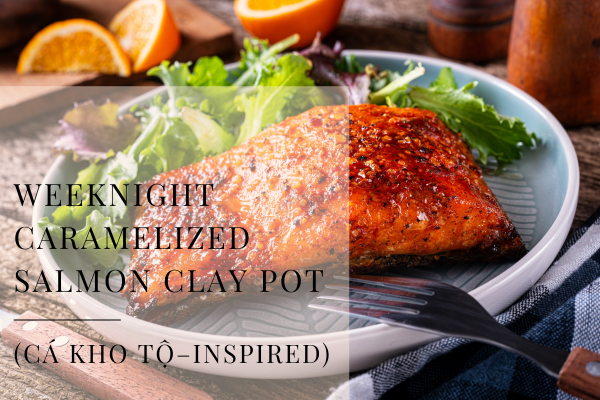
- Cá kho (caramelized fish)
- To color and deepen any savory braise
It’s added at the beginning of cooking to coat the protein and build the sauce.
Flavor Notes
Nước màu should taste:
- Bitter‑sweet
- Toasty
- Deep
- Clean
- Slightly smoky
If it tastes burnt, the sugar cooked too long. If it tastes flat, it didn’t cook long enough.
Featured Recipes Using Vietnamese Caramel Sauce
Common Mistakes
Caramel crystallizes Heat was too low or stirred too aggressively. Let it melt undisturbed.
Caramel burns It darkened too quickly. Lower the heat and watch closely.
Caramel seizes when water is added This is normal — keep simmering until it dissolves.
Color is too light Cook the sugar longer before adding water.
Where to Buy Nước Màu
Homemade is best, but bottled nước màu is available at Vietnamese markets. Look for:
These are convenient but often sweeter and lighter than homemade.
Storage
Warm gently if it thickens
Store in a glass jar
Keep at room temperature for 1 month
Refrigerate for longer storage
FAQ: How To Make Vietnamese Caramel Sauce (Nước Màu)
Is nước màu the same as dessert caramel? No. Dessert caramel is sweet and buttery. Nước màu is a savory caramel used to build color and depth in kho dishes.
Why does nước màu taste slightly bitter? A gentle bitterness is correct — it balances the sweetness in braises. If it tastes sharp or burnt, the sugar cooked too long.
Can I use brown sugar instead of white sugar? White sugar gives the cleanest flavor and most control. Brown sugar darkens quickly and can turn muddy or bitter before the right color develops.
Why did my caramel crystallize? Crystallization happens when sugar is stirred too early or heated unevenly. Let the sugar melt undisturbed until it liquefies, then swirl gently.
Why did my caramel seize when I added water? This is normal. The caramel will harden on contact with water, then dissolve as it simmers. Keep the heat on and stir until smooth.
Can I use cold water to stop the caramel? Warm water is safer and reduces splattering. Cold water can cause the caramel to seize aggressively.
How dark should nước màu be? Aim for a deep amber or mahogany. Too light and the dish won’t develop color; too dark and it becomes bitter.
Can I add fish sauce directly to the caramel? Yes. Some cooks stop the caramel with fish sauce instead of water for a deeper, more traditional flavor. It creates a darker, saltier base.
Can I make nước màu with coconut water? Yes. Nước màu dừa (coconut caramel) is common in Southern cooking and adds a subtle sweetness and shine.
How long does homemade nước màu last? Up to 1 month at room temperature in a sealed glass jar. Refrigerate for longer storage. Warm gently if it thickens.
Can I double or triple the recipe? Yes. Larger batches are more stable and store well. Just use a pot with high sides to prevent bubbling over.
Why is my nước màu not glossy? It may need a bit more water to dissolve fully, or it wasn’t cooked long enough after adding water. Simmer until smooth and shiny.
Can I skip nước màu and use soy sauce for color? Soy sauce adds saltiness but not the caramelized depth. Nước màu gives kho dishes their signature flavor and sheen.
Is bottled nước màu good? It’s convenient but often sweeter and lighter than homemade. Use it when needed, but homemade gives better control.
Can I use nước màu in non‑Vietnamese dishes? Yes. It adds depth to braises, stews, and marinades. It behaves like a savory caramel base.
Browse More Vietnamese Sauces & Marinades
From quick vinaigrettes to bold marinades, each recipe is designed to work across proteins, vegetables, noodles, and rice — giving you high‑impact flavor with minimal effort. Explore the full Sauces & Marinades page to find your next go‑to. Explore more sauces to build brightness, depth, and contrast across all your bowls and bánh mì.
- Pineapple Ginger Quick Preserve
- Vietnamese Cranberry and Ginger Pickles
- Simple Chili-Lime Drizzle Sauce
- Quick & Easy Fish Sauce Vinaigrette
Explore Vietnamese Bowl Recipes
-
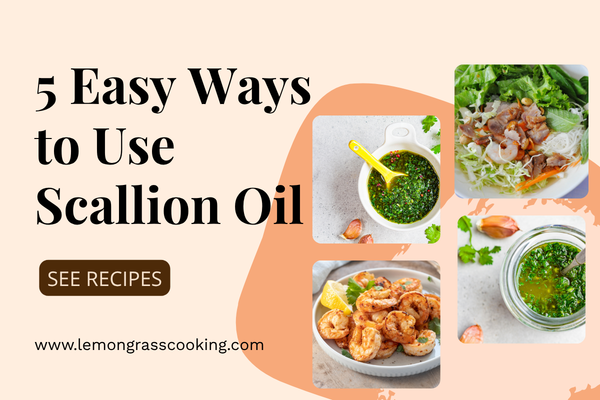
5 Bright and Easy Ways to Use Scallion Oil
5 Bright and Easy Ways to Use Scallion Oil – Scallion oil has always been one of Vietnamese cooking’s simplest magic tricks—an everyday way to make humble dishes taste cared for. You see it brushed…
-

Simple Charred Peanut Lime Tofu Steakhouse Salad
Simple Charred Peanut Lime Tofu Steakhouse Salad will be a go-to for plant-based protein meal that delivers a bright twist! This salad brings together charred tofu, a bright peanut lime sauce, and a crisp steakhouse-style…
-
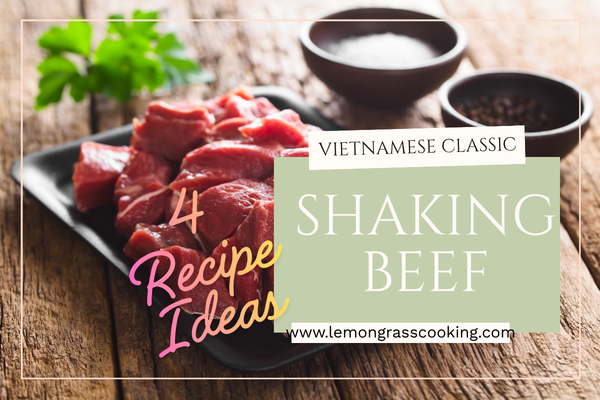
Shaking Beef Four Ways: Modern Takes on a Vietnamese Classic
Shaking Beef Four Ways: Modern Takes on a Vietnamese Classic. New Takes on Shaking Beef: Tacos, Salad, Bowls, and More These four Shaking Beef variations keep the dish’s iconic flavor while making it flexible for…
-
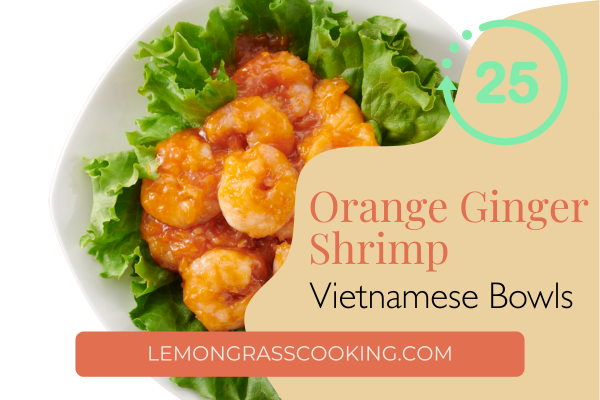
25 Minute Orange Ginger Shrimp Bowl
This 25 minute Orange Ginger Shrimp Bowl leans into fresh orange, grated ginger, and a quick stovetop glaze that pulls everything together. It’s fast, aromatic, and built for weeknights when a clean, flavorful bowl is…
-
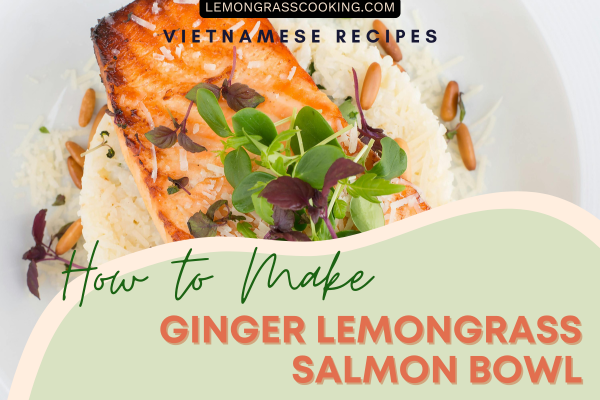
One Pot Ginger Lemongrass Salmon Bowl
Amazingly Simple One Pot Ginger Lemongrass Salmon Bowl that’s nutritiously delicious. This ginger–lemongrass salmon bowl is layered, fragrant, and intentionally simple. Salmon and bok choy are the two hero ingredients, cooked together with ginger, lemongrass,…
-
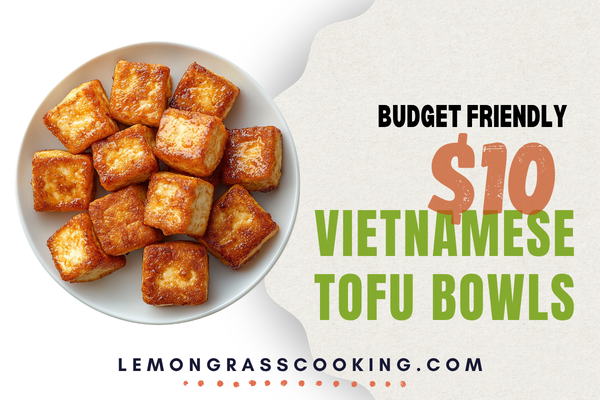
$10 Vietnamese Tofu Vermicelli Bowls
$10 Vietnamese Tofu Vermicelli Bowls: Affordable, Healthy, Weeknight‑Ready Tofu is one of the most reliable weeknight proteins — affordable, versatile, and naturally lean. When you pair it with vermicelli noodles, fresh herbs, and bright Vietnamese‑leaning…
-
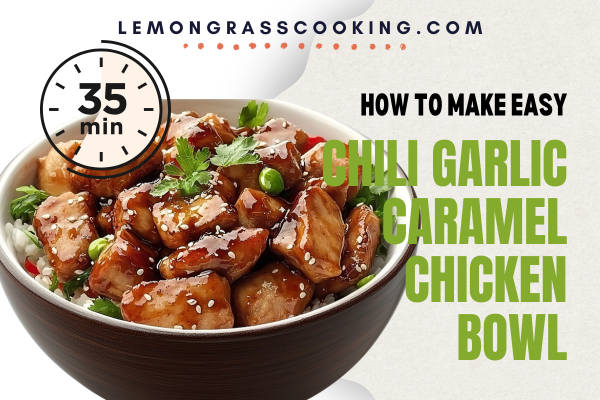
Easy Chili Garlic Caramel Chicken Bowl
Super simple & EASY Chili Garlic Caramel Chicken Bowl. A chili‑garlic caramel is one of the fastest ways to build deep Vietnamese flavor on weeknights. This bowl layers sweet‑savory caramel, bright lime, and chili heat…
-
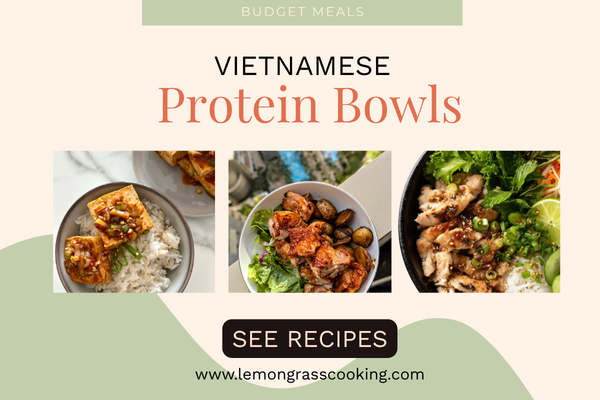
Budget Friendly Protein Stretching Bowls
These high-flavor, low-cost Budget Friendly Protein Stretching Bowls will liven up your meal Protein‑Stretching Bowls are designed for today’s budget‑conscious kitchen — where ingredients need to work harder, stretch further, and still deliver full flavor.…
-
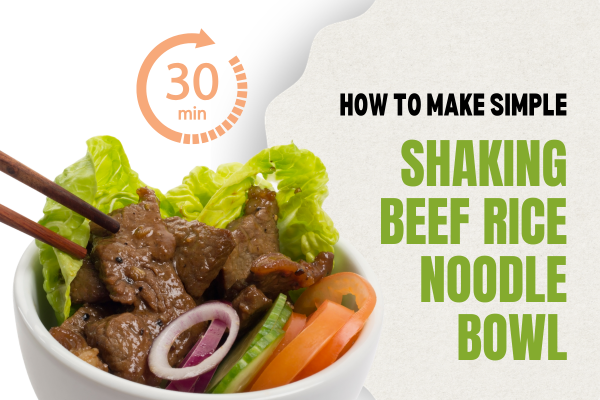
Simple Shaking Beef Rice Noodle Bowl
This Simple Shaking Beef Rice Noodle Bowl prepares and cooks under 30-minutes! A fresh and modern take on Vietnamese shaking beef, this rice noodle bowl layers seared steak, chewy noodles, crisp vegetables, and bright herbs.…
-
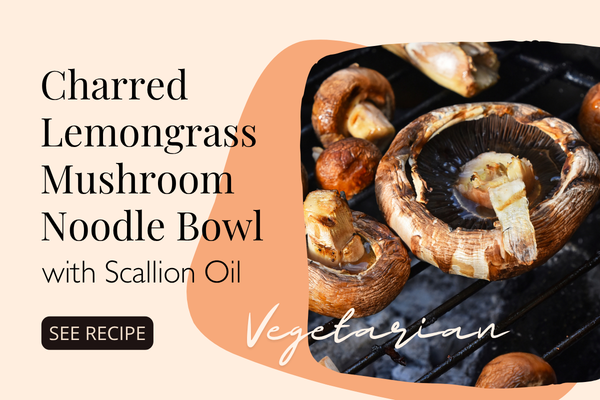
Charred Lemongrass Mushroom & Scallion Oil Noodle Bowl
SIMPLE Charred Lemongrass Mushroom & Scallion Oil Noodle Bowl – in under 25 minutes This charred lemongrass mushroom noodle bowl brings together smoky mushrooms, scallion oil, fresh herbs, and a bright soy-lime dressing. It’s a…
-
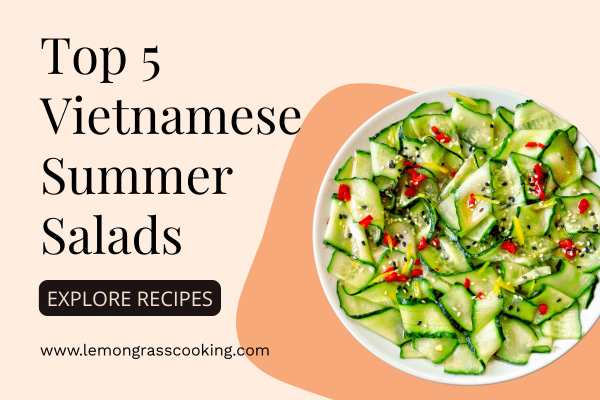
Top 5 Vietnamese Summer Salads to Try
These are our Top 5 Vietnamese Summer Salads to try before the sun sets for fall. Why Vietnamese Salads? Vietnamese salads aren’t side dishes — they’re a whole style of cooking built for heat, herbs,…
-
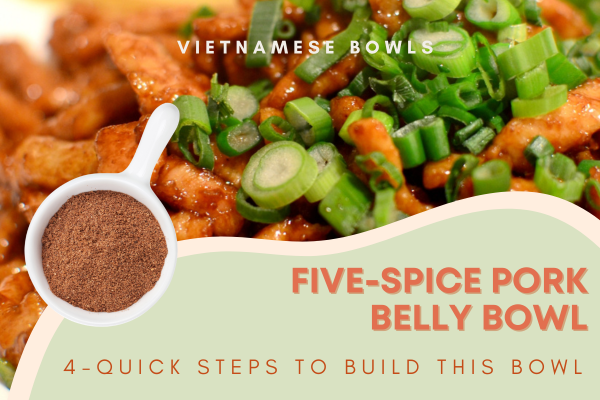
Five‑Spice Pork Belly Bowl
This Five‑Spice Pork Belly Bowl is warm, glossy, aromatic pork belly over jasmine rice (or vermicelli noodles) with herbs, pickles, and scallion oil. This bowl takes everything people love about your Five‑Spice Pork Belly Bánh…
-
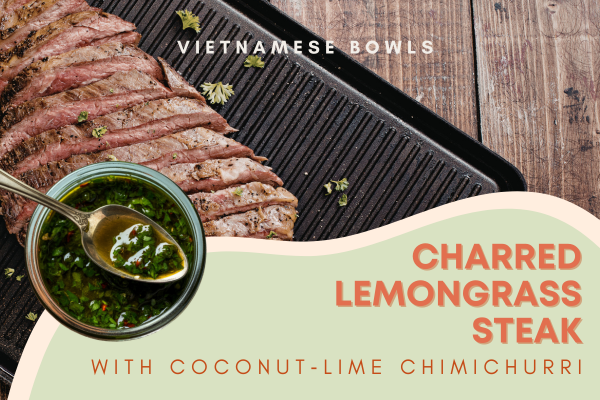
Charred Lemongrass Steak with Coconut‑Lime Chimichurri
Charred Lemongrass Steak with Coconut‑Lime Chimichurri Bowl: This bowl brings together smoky, citrusy lemongrass steak and a bright coconut-lime chimichurri that feels both refreshing and rich. It’s a Vietnamese-forward weeknight dinner that layers flavor without…
-
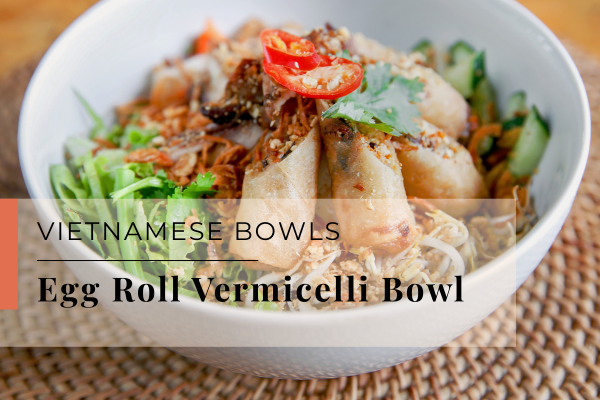
Vietnamese Egg Roll Vermicelli Bowl
Vietnamese Egg Roll Vermicelli Bowl (Bún Chả Giò) A fresh, crunchy, herb‑forward vermicelli bowl topped with golden, shatter‑crisp egg rolls. This is the classic Vietnamese combination of textures: cool noodles, bright herbs, crisp vegetables, and…
-
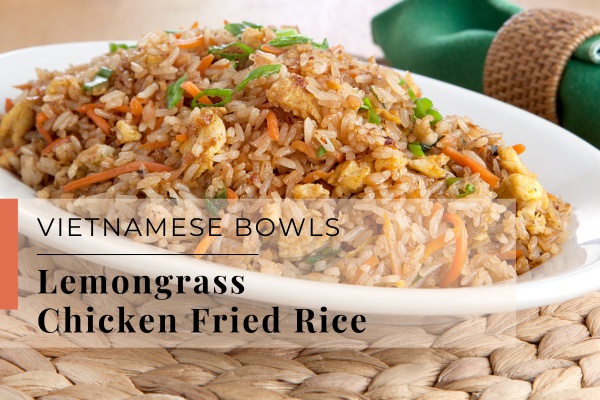
Vietnamese Lemongrass Chicken Fried Rice
Vietnamese Lemongrass Chicken Fried Rice brings together fragrant aromatics, wok-seared chicken, and day-old jasmine rice for a fast, deeply savory weeknight dish. Lemongrass anchors the flavor profile with brightness, while fish sauce and oyster sauce…