How to Make Fried Shallots (Vietnamese Hành Phi)
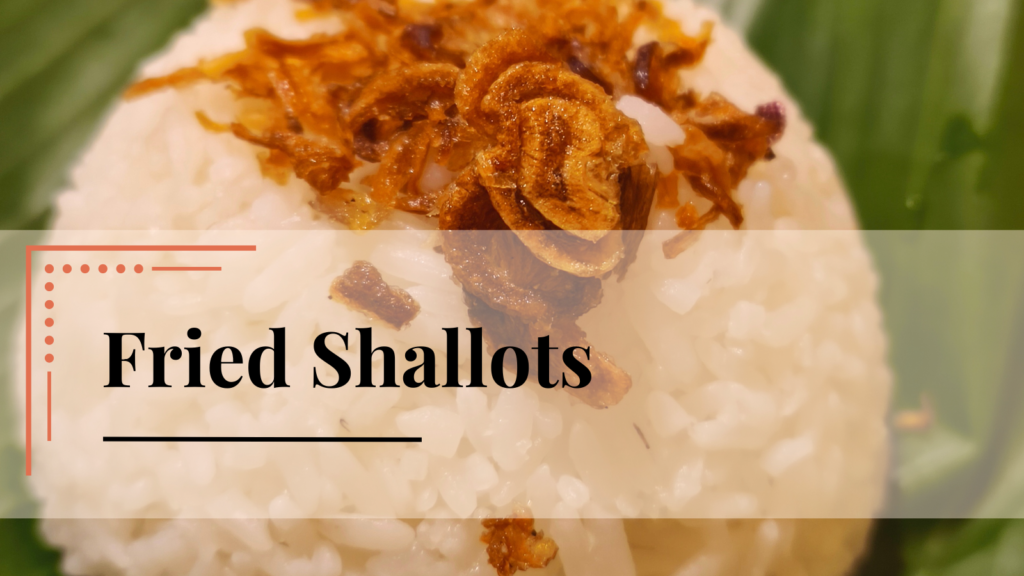
Crispy fried shallots are one of the most essential Vietnamese pantry toppings. They add texture, aroma, and savory depth to bowls, noodles, rice dishes, salads, and everyday meals. When made correctly, they stay crisp for days and deliver the signature fragrance found in Vietnamese home cooking and street food.
This guide explains how to make perfectly golden fried shallots at home, how to store them, and how to use the aromatic shallot oil that forms during cooking. It’s a foundational technique that supports the entire Vietnamese pantry and elevates countless dishes.
Table of Contents
Why Fried Shallots Matter in Vietnamese Cooking
Fried shallots are more than a garnish. They are a pantry staple that adds crunch, aroma, and umami to both traditional and modern Vietnamese dishes. Their flavor is mild, sweet, and deeply savory — a balance that complements herbs, noodles, rice, and proteins.
They appear across the Vietnamese table in:
A small spoonful transforms a dish instantly, making them one of the highest‑impact toppings in the Vietnamese pantry.
How to Make Fried Shallots: What Makes This Method Reliable
The key to perfect fried shallots is starting in cool oil. This ensures even cooking, prevents burning, and allows the shallots to dehydrate slowly until crisp. The result is a clean, golden finish without bitterness.
This method also produces aromatic shallot oil, a valuable by‑product used in scallion oil, noodle bowls, stir‑fries, and dressings.
Ingredient Notes: How to Make Fried Shallots
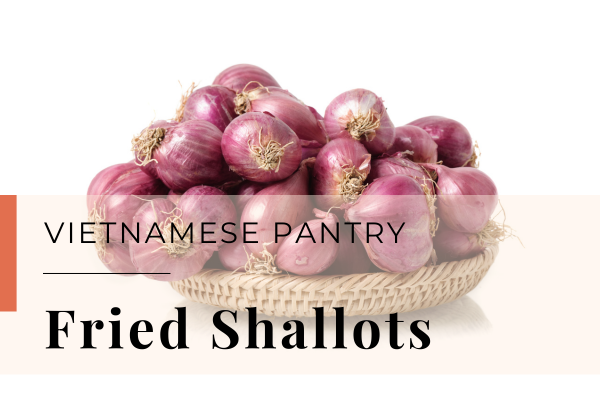
Shallots
Neutral oil
Salt
Shallots with tight skins and firm flesh produce the most consistent slices and the cleanest flavor. A neutral oil such as canola, vegetable, or rice bran keeps the aroma pure.
How to Slice Shallots for Even Frying
Even slicing is essential. Thin, consistent slices ensure the shallots cook at the same rate and crisp evenly. A sharp knife or mandoline works well. Avoid overly thick pieces, which stay soft in the center.
9-Tips for How to Make Fried Shallots
- Slice the shallots evenly.
- Place them in a small pot with cool oil.
- Heat gently over medium heat.
- Stir occasionally as the shallots slowly turn golden.
- Lower the heat if browning accelerates.
- Remove when pale golden; they will darken as they cool.
- Drain and spread out to crisp.
- Season lightly with salt.
- Reserve the shallot oil.
Vietnamese Fried Shallots
Equipment
- Cutting board & knife
- Small pot
- Fine mesh strainer
- Sheet pan lined with paper towels
- Spatula
Ingredients
- 6 large shallots thinly sliced
- 1 cup neutral oil
- Salt to taste
Instructions
- Slice the shallots as evenly as possible to ensure consistent frying.
- Add the oil to a small pot and warm over medium heat.
- Add the sliced shallots to the cool or warm oil before it reaches frying temperature.
- Cook gently, stirring occasionally, as the shallots slowly turn golden.
- Reduce the heat if they begin to brown too quickly.
- Once the shallots reach a light golden color, remove them immediately using a strainer.
- Spread the fried shallots on a lined sheet pan to cool and crisp.
- Season lightly with salt while warm.
- Reserve the shallot oil for cooking, dressings, or noodle bowls.
Notes
- Starting the shallots in cool oil helps them cook evenly and prevents burning.
- Remove the shallots when they are pale golden; they will continue to darken as they cool.
- Store fried shallots in an airtight container for up to one week.
- The leftover shallot oil is highly aromatic and ideal for scallion oil, stir‑fries, and noodle bowls.
How to Store Fried Shallots
Once cooled completely, fried shallots can be stored in an airtight container for up to one week. Keep them in a cool, dry place to maintain crispness. Avoid refrigeration, which introduces moisture.
For longer storage, keep the fried shallots and shallot oil separate.
More Pantry Storage Tips & Shop
Don’t Forget the Shallot Oil
The oil left behind after frying is deeply aromatic and should be saved. It enhances:
- scallion oil
- noodle bowls
- fried rice
- stir‑fries
- dressings
- marinades
It’s one of the most valuable flavor boosters in the Vietnamese pantry
Browse More Pantry & Kitchen Gear
Use Fried Shallots in These Featured Recipes
Fried shallots are one of the most versatile toppings in Vietnamese cooking. They add texture, flavor and aroma. Here are some favorites recipes to top with fried shallots and shallot oil.
- Shrimp & Seafood: Lemongrass Coconut Shrimp Vermicelli Bowl
- Vegetarian Option: Caramelized Mushroom Bánh Mì
- Classic Enhancer: Ginger Scallion Rotisserie Chicken Congee
- Add Crunch: Seared Lemongrass Beef Bowl
- Perfect Condiment: Rice Vermicelli Noodle Bowl Bar
Browse Vietnamese Bowl Recipes
-
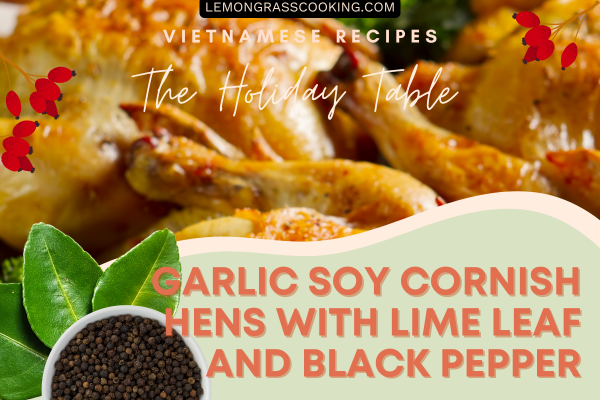
Garlic Soy Cornish Hens with Lime Leaf and Black Pepper
Garlic Soy Cornish Hens with Lime Leaf and Black Pepper – The Cornish Hen Recipe That Always Impresses Guests! Garlic Soy Cornish Hens with Lime Leaf and Black Pepper Garlic Soy Cornish Hens with Lime…
-
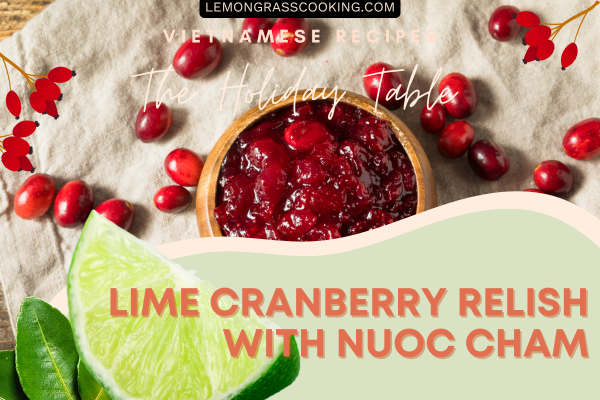
Lime Cranberry Relish with Nuoc Cham
Tart Cranberry Meets Lime in This Vietnamese-Style Relish: Lime Cranberry Relish with Nuoc Cham A fresh spin on a classic Vietnamese dipping sauce, this cranberry–lime nuoc cham relish brings sharp citrus, sweet heat, and a…
-
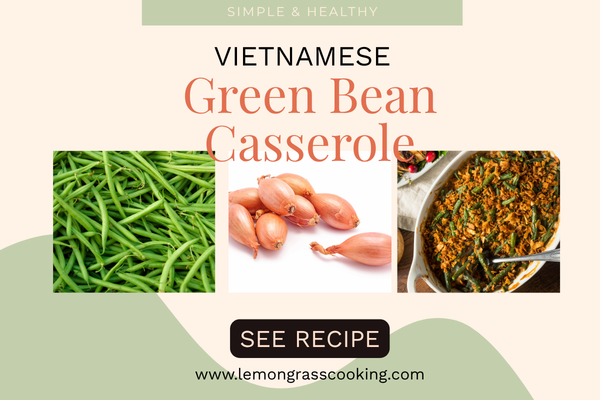
How to Make Vietnamese Green Bean Casserole
How to Make Vietnamese Green Bean Casserole. This Vietnamese-inspired green bean casserole brings together the comfort of a classic holiday dish with the aromatics and savory backbone of Vietnamese cooking. Coconut cream adds richness without…
-
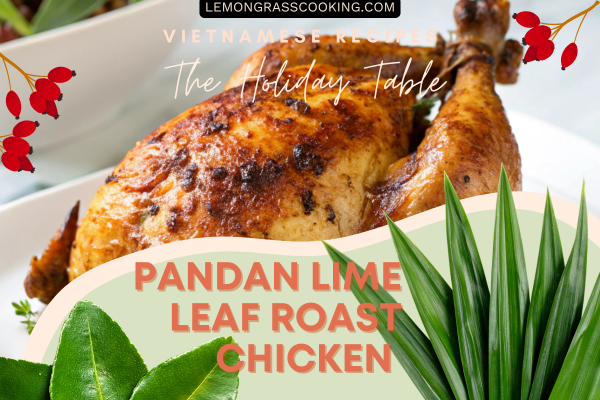
Pandan Lime Leaf Roast Chicken with Coconut Drippings Rice
Pandan Lime Leaf Roast Chicken with Coconut Drippings Rice brings together bright Southeast Asian aromatics and cozy roast‑chicken comfort. Pandan and lime leaf perfume the chicken as it cooks, coconut milk keeps everything tender, and…
-
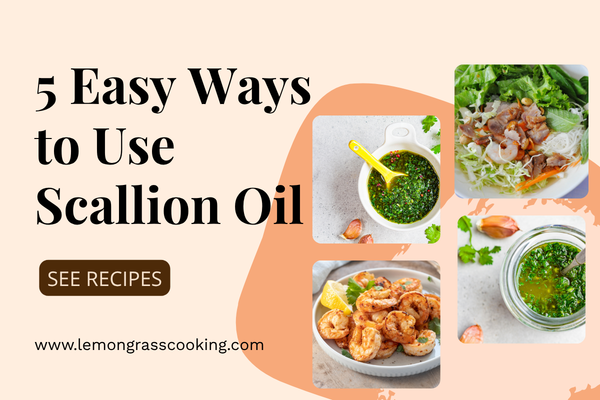
5 Bright and Easy Ways to Use Scallion Oil
5 Bright and Easy Ways to Use Scallion Oil – Scallion oil has always been one of Vietnamese cooking’s simplest magic tricks—an everyday way to make humble dishes taste cared for. You see it brushed…
-

Brown Butter Jasmine Rice with Fresh Scallion Oil
Your next simple holiday side! Brown Butter Jasmine Rice with Fresh Scallion Oil brings cozy fall warmth to the holiday table. The nutty brown butter adds deep, comforting richness, while scallion oil keeps everything bright…
-

Fresh and Crunchy Fall Apple Shrimp Rolls
Fresh and Crunchy Fall Apple Shrimp Rolls (Gỏi Cuốn) deliver crisp apple sweetness, bright herbs, and tender shrimp wrapped in a refreshing Vietnamese‑inspired fresh roll perfect for fall. A Tart Update to Your Spring Rolls…
-

Charred Brussels Sprouts with Tamarind Honey Glaze
Charred Brussels Sprouts with Tamarind Honey Glaze brings a fresh, modern lift to classic holiday vegetables. The deep char delivers familiar comfort, while the tamarind honey glaze adds Vietnamese‑inspired brightness that keeps the table feeling…
-

Vietnamese Cranberry and Ginger Pickles
Vietnamese Cranberry and Ginger Pickles take a familiar fall flavor and flip it into something bright, quick, and unexpected. Instead of the usual sweet sauces or baked dishes, this version leans into Vietnamese-style acidity —…
-

Simple Charred Peanut Lime Tofu Steakhouse Salad
Simple Charred Peanut Lime Tofu Steakhouse Salad will be a go-to for plant-based protein meal that delivers a bright twist! This salad brings together charred tofu, a bright peanut lime sauce, and a crisp steakhouse-style…
-

Vietnamese Chili Crisp Chicken Cutlets with Pickled Herb Salad
Healthy Vietnamese Chili Crisp Chicken Cutlets with Pickled Herb Salad under 30-minutes. This Vietnamese salad bowl layers crispy chili crisp chicken cutlets over a bright, pickled herb salad. The cutlets bring heat and crunch, while…
-

Easy and Quick Vietnamese Pantry Marinades
For busy weeks when dinner needs to be fast and flavorful, Easy and Quick Vietnamese Pantry Marinades offer a simple solution built from everyday ingredients. Why These Vietnamese Marinades Work Busy weeks make it hard…
-

Vietnamese BBQ Pork Meatball Banh Mi
Vietnamese BBQ Pork Meatball Bánh Mì delivers tender xíu mại-style meatballs, a light tomato glaze, and crisp Vietnamese pickles inside a warm, airy baguette. What Makes This Bánh Mì Special This Vietnamese BBQ Pork Meatball…
-
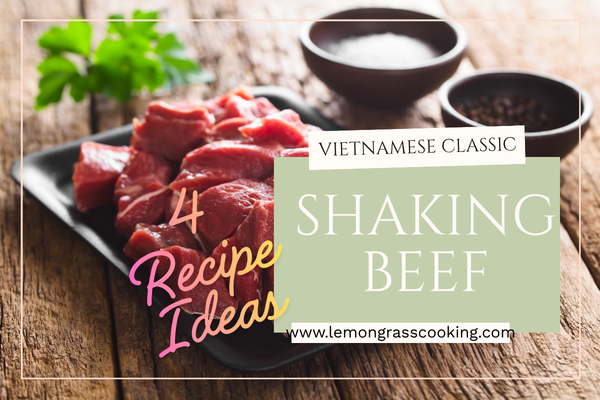
Shaking Beef Four Ways: Modern Takes on a Vietnamese Classic
Shaking Beef Four Ways: Modern Takes on a Vietnamese Classic. New Takes on Shaking Beef: Tacos, Salad, Bowls, and More These four Shaking Beef variations keep the dish’s iconic flavor while making it flexible for…
-
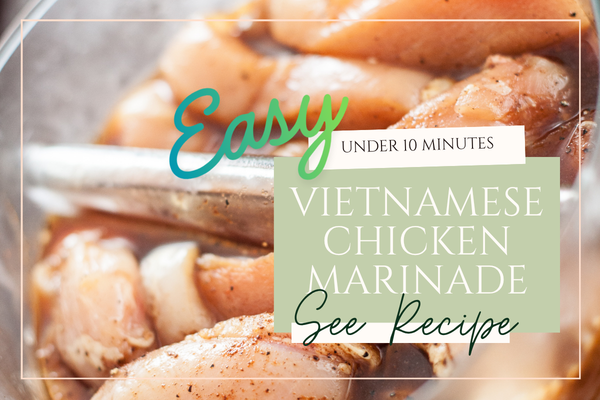
Easy Vietnamese Chicken Marinade
Easy Vietnamese Chicken Marinade – A bright, savory Vietnamese chicken marinade built for busy weeknights. This easy mix uses pantry staples like fish sauce, lime, garlic, and a touch of sweetness to create tender, flavorful…
-
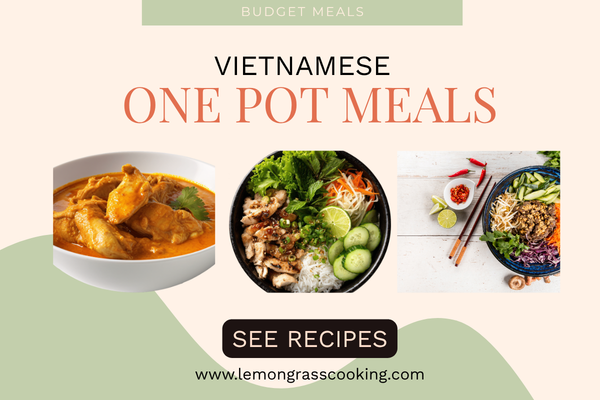
5 Easy One Pot Vietnamese Meal Ideas
5 Easy One Pot Vietnamese Meal Ideas for Busy Weeknights Vietnamese cooking is known for its bright flavors, aromatic herbs, and comforting broths—but that doesn’t mean it has to be complicated. If you’re craving something…
-
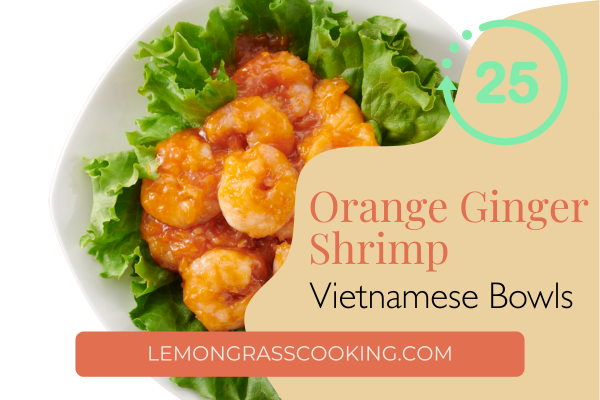
25 Minute Orange Ginger Shrimp Bowl
This 25 minute Orange Ginger Shrimp Bowl leans into fresh orange, grated ginger, and a quick stovetop glaze that pulls everything together. It’s fast, aromatic, and built for weeknights when a clean, flavorful bowl is…
-
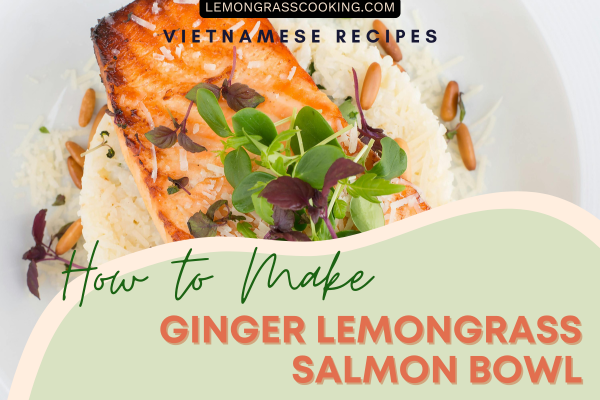
One Pot Ginger Lemongrass Salmon Bowl
Amazingly Simple One Pot Ginger Lemongrass Salmon Bowl that’s nutritiously delicious. This ginger–lemongrass salmon bowl is layered, fragrant, and intentionally simple. Salmon and bok choy are the two hero ingredients, cooked together with ginger, lemongrass,…
-
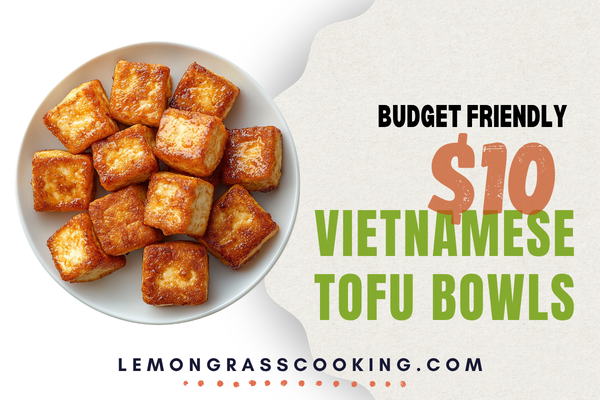
$10 Vietnamese Tofu Vermicelli Bowls
$10 Vietnamese Tofu Vermicelli Bowls: Affordable, Healthy, Weeknight‑Ready Tofu is one of the most reliable weeknight proteins — affordable, versatile, and naturally lean. When you pair it with vermicelli noodles, fresh herbs, and bright Vietnamese‑leaning…
-
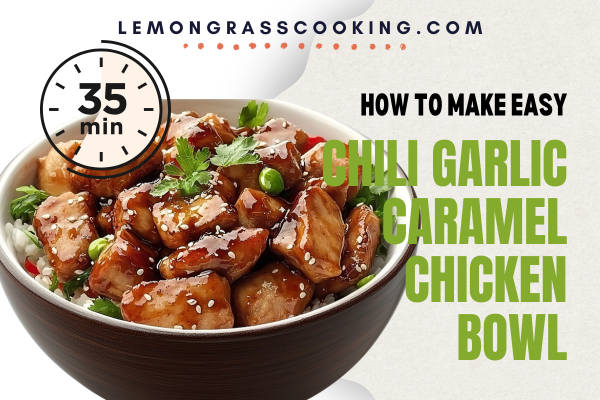
Easy Chili Garlic Caramel Chicken Bowl
Super simple & EASY Chili Garlic Caramel Chicken Bowl. A chili‑garlic caramel is one of the fastest ways to build deep Vietnamese flavor on weeknights. This bowl layers sweet‑savory caramel, bright lime, and chili heat…