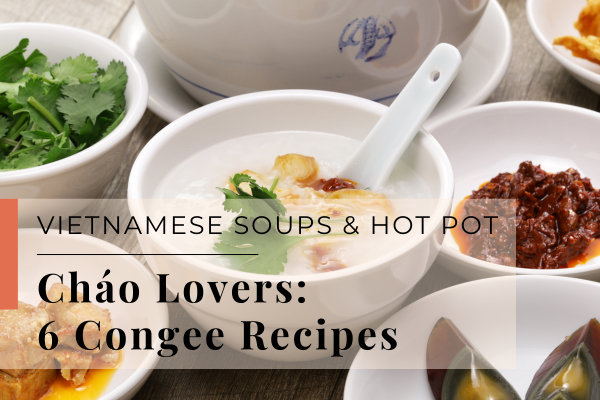
Cháo Lovers: 6 Vietnamese Congee Recipes to Make on Repeat
A Classic Vietnamese Comfort Food: Congee (Cháo)
Vietnamese congee (cháo) is comfort in its purest form — warm, silky rice simmered until it becomes a soothing, spoonable bowl. Every region in Vietnam has its own take, and every bowl tells a different story. Some are bright with ginger, some rich with seafood, some simple and restorative. This roundup brings together six recipes that showcase the full range of Vietnamese congee, from weeknight‑fast to deeply traditional.
How to Use This Guide
This guide brings together six Vietnamese congee recipes so you can cook based on mood, season, or what you have on hand. Each recipe links to a full, step‑by‑step post with ingredients, technique notes, and topping ideas. Use this roundup to explore different regional styles, build your weekly meal rotation, or find the perfect bowl for sick days, cozy nights, or quick weeknight cooking. It’s your starting point for understanding how versatile and comforting Vietnamese cháo can be.
In This Congee Guide
1. 20‑Minute Instant Pot Cháo (Vietnamese Rice Porridge)
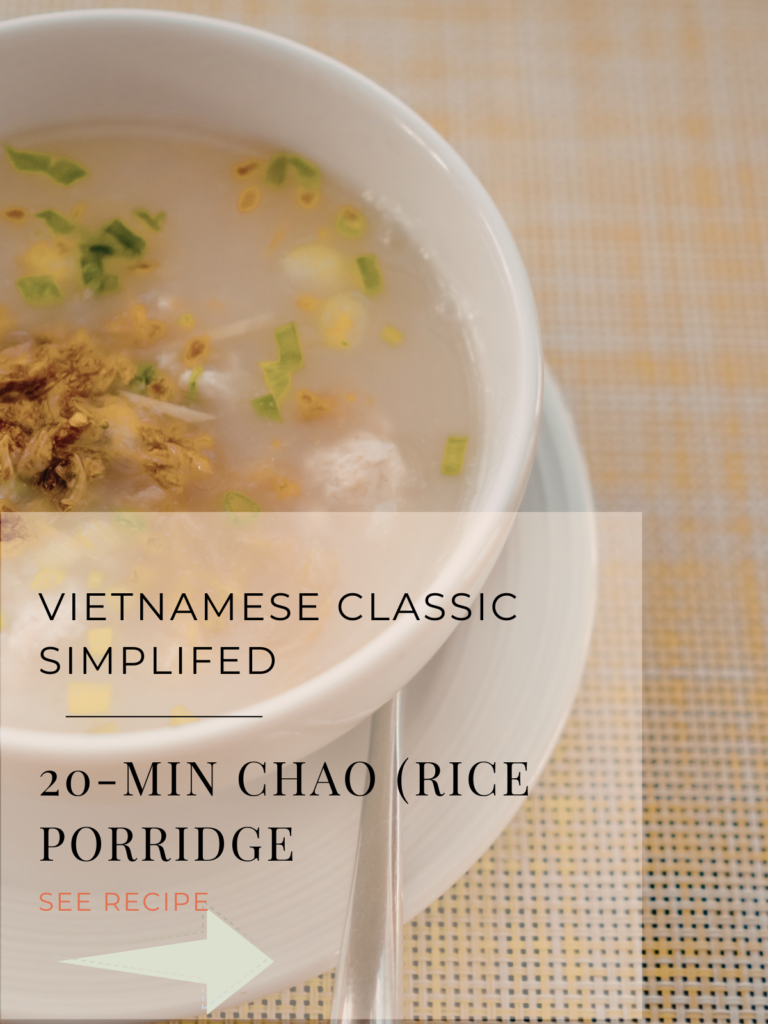
A modern, streamlined version of classic cháo. The Instant Pot breaks down the rice in a fraction of the time, creating a silky, comforting base perfect for busy days or sick‑day cooking.
Recipe: 20‑Minute Instant Pot Cháo (Vietnamese Rice Porridge) – Lemongrass Cooking
2. Shrimp Congee with Scallion Oil (Cháo Tôm)
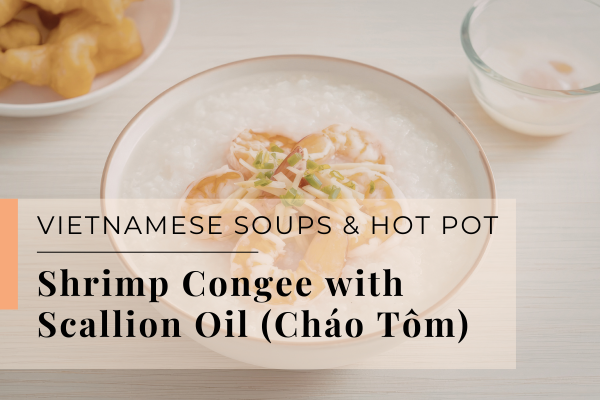
Light, aromatic, and naturally sweet from fresh shrimp. The scallion oil adds a glossy, savory finish that makes the bowl feel restaurant‑ready.
Recipe: Shrimp Congee with Scallion Oil (Cháo Tôm) – Lemongrass Cooking
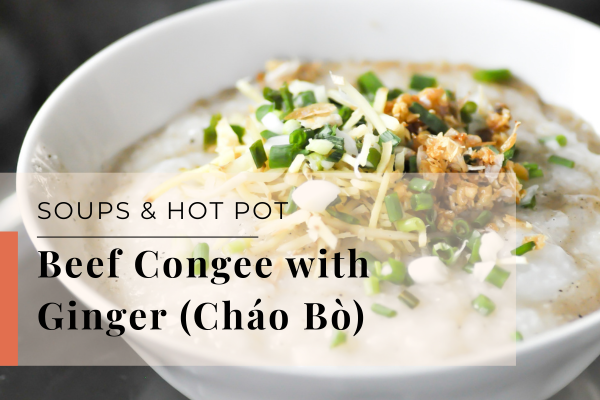
3. Beef Congee with Ginger (Cháo Bò)
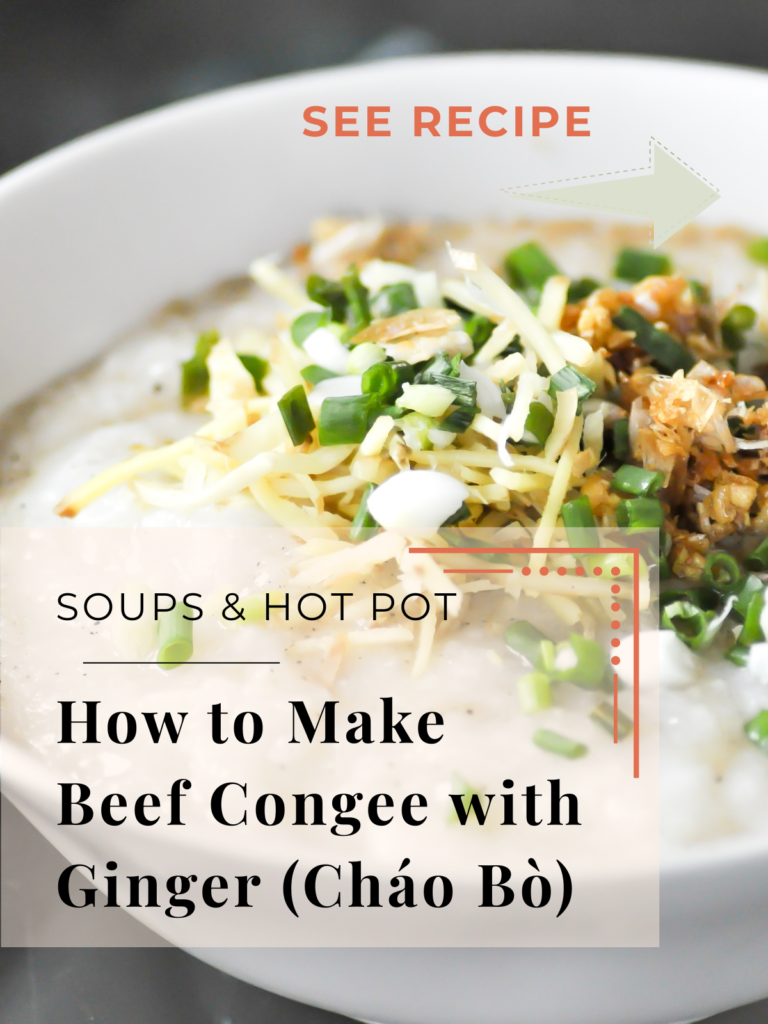
A classic Vietnamese breakfast bowl. Thinly sliced beef cooks gently in the hot congee, while ginger keeps the broth bright and warming.
Recipe: Beef Congee with Ginger (Cháo Bò) – Lemongrass Cooking
4. Fish Congee with Dill & Ginger (Cháo Cá)
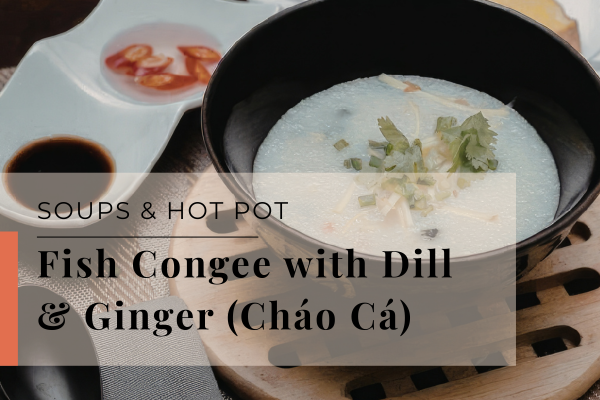
Clean, delicate, and deeply Vietnamese. Dill and ginger bring freshness, while tender fish flakes into the porridge for a light but satisfying bowl.
Recipe: Fish Congee with Dill & Ginger (Cháo Cá) – Lemongrass Cooking
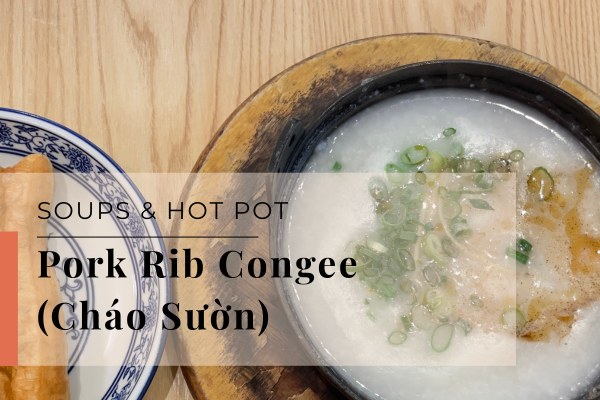
5. Pork Rib Congee (Cháo Sườn)
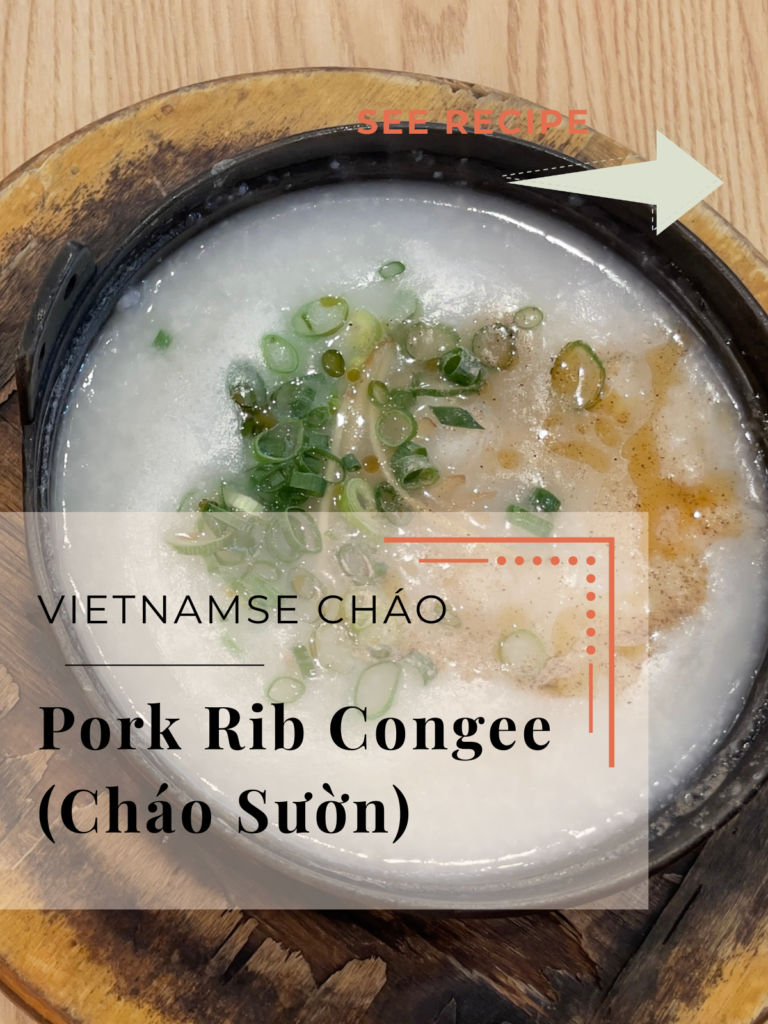
Rich, silky, and nostalgic. Pork ribs simmer until tender, infusing the congee with natural sweetness and depth. A true comfort classic.
Recipe: Pork Rib Congee (Cháo Sườn) – Lemongrass Cooking
6. Lemongrass Mushroom Congee (Vegan Cháo)
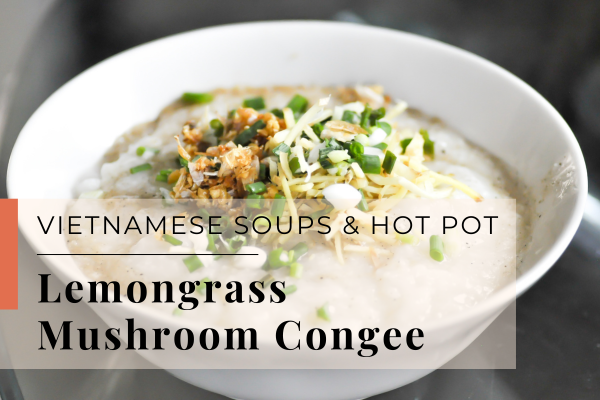
Bright, aromatic, and fully plant‑based. Lemongrass and ginger lift the broth, while mushrooms add clean umami and body. A modern vegan bowl that still feels deeply Vietnamese.
Recipe: Lemongrass Mushroom Congee – Lemongrass Cooking
Shop For Congee Pantry Ingredients
- Clean Ingredient Fish Sauce: Red Boat Fish Sauce
- Top Choices: Premium Soy Sauce
- Perfect Congee Rice: Jasmine Rice
- Best Pick: Three Ladies Rice Noodles
Explore More Congee Recipes
Featured Vietnamese Congee Cháo Recipes:
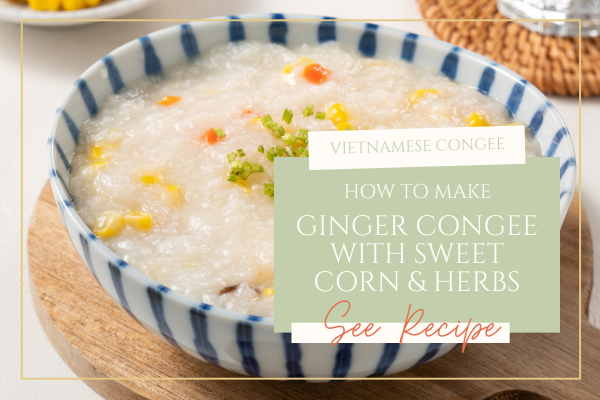
- Ginger Congee with Sweet Corn & Herbs
- Ginger Scallion Rotisserie Chicken Congee
- Pork Rib Congee (Cháo Sườn)
- Shrimp Congee with Scallion Oil (Cháo Tôm)
- Fish Congee with Dill & Ginger (Cháo Cá)
- Beef Congee with Ginger (Cháo Bò)
- 20‑Minute Instant Pot Cháo (Vietnamese Rice Porridge)
- Cháo Lovers: 6 Vietnamese Congee Recipes to Make on Repeat
Congee FAQ (Vietnamese Cháo)
What is Vietnamese cháo? Cháo is Vietnamese rice porridge simmered until silky and spoonable. It ranges from light and brothy to thick and creamy depending on region, protein, and purpose.
What type of rice works best for cháo? Jasmine rice is the standard because it breaks down quickly and creates a naturally fragrant, creamy texture. Short‑grain rice works too but becomes thicker and starchier.
How thick should congee be? There’s no single “right” texture. Northern-style cháo is often thinner and brothier, while Southern-style bowls lean thicker. Adjust with broth until it matches your preference.
Why does my congee keep sticking to the pot? Cháo needs occasional stirring, especially in the last 10–15 minutes when the rice begins to break down. A heavy-bottomed pot helps prevent scorching.
Can I make congee in an Instant Pot? Yes. Pressure cooking breaks down the rice quickly and consistently. It’s the fastest way to get a silky bowl without constant stirring.
Can I use leftover cooked rice? Absolutely. Blend cooked rice with broth first, then simmer until creamy. This shortcut reduces cooking time to about 15 minutes.
How do I make congee more flavorful? Layer aromatics (ginger, scallions, lemongrass), season with fish sauce or soy sauce, and finish with toppings like fried shallots, scallion oil, chili oil, or white pepper.
Can congee be made vegan? Yes. Use vegetable broth, mushrooms, aromatics, and umami boosters like soy sauce or vegan fish sauce. Vegan cháo can be just as rich and aromatic.
Does congee reheat well? Yes, but it thickens as it cools. Add broth or water when reheating to bring it back to a silky consistency.
Can I freeze congee? Yes. Freeze in portions and thin with broth when reheating. Seafood congee is best eaten fresh, but chicken, beef, mushroom, and plain cháo freeze well.
What toppings go well with Vietnamese congee? Fried shallots, scallion oil, white pepper, chili oil, herbs, pickled vegetables, crispy tofu, shredded chicken, or soft‑cooked eggs depending on the recipe.
Why is congee so popular in Vietnam? It’s comforting, easy to digest, budget‑friendly, and endlessly adaptable. Cháo is eaten for breakfast, sick days, postpartum recovery, or anytime a warm, soothing bowl is needed.
Explore Latest Vietnamese Recipes & Posts
-
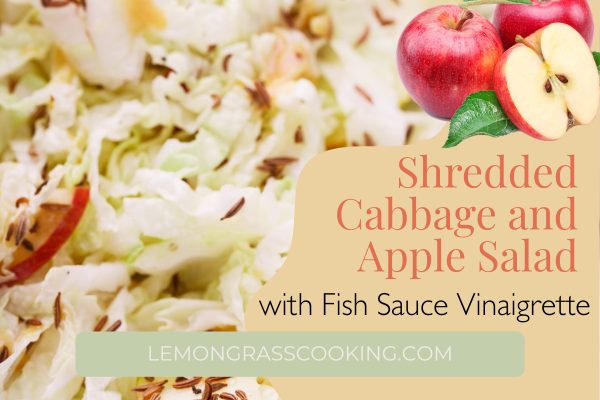
Shredded Cabbage and Apple Salad with Fish Sauce Vinaigrette
Shredded Cabbage and Apple Salad with Fish Sauce Vinaigrette – Fresh, crunchy, and packed with bright flavor, this shredded cabbage and apple salad is the kind of side dish that works with almost any meal.…
-
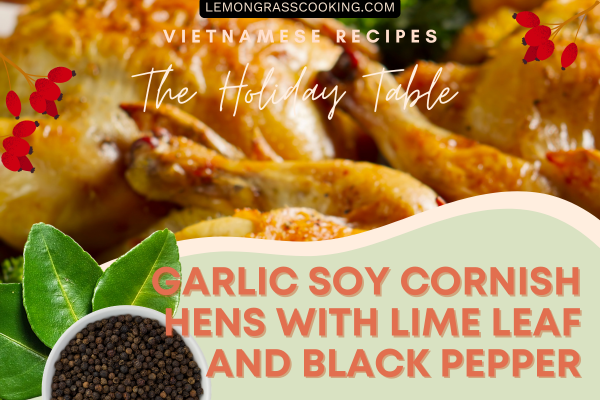
Garlic Soy Cornish Hens with Lime Leaf and Black Pepper
Garlic Soy Cornish Hens with Lime Leaf and Black Pepper – The Cornish Hen Recipe That Always Impresses Guests! Garlic Soy Cornish Hens with Lime Leaf and Black Pepper Garlic Soy Cornish Hens with Lime…
-
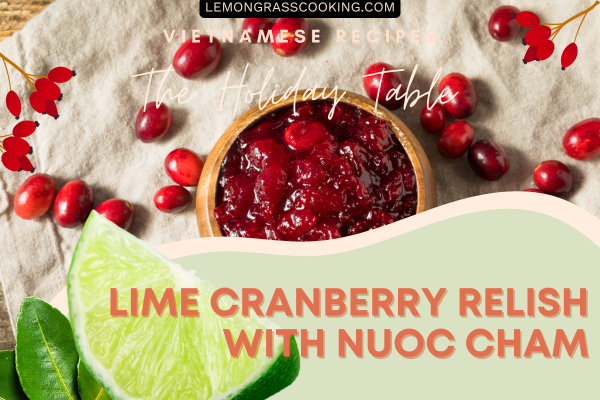
Lime Cranberry Relish with Nuoc Cham
Tart Cranberry Meets Lime in This Vietnamese-Style Relish: Lime Cranberry Relish with Nuoc Cham A fresh spin on a classic Vietnamese dipping sauce, this cranberry–lime nuoc cham relish brings sharp citrus, sweet heat, and a…
-
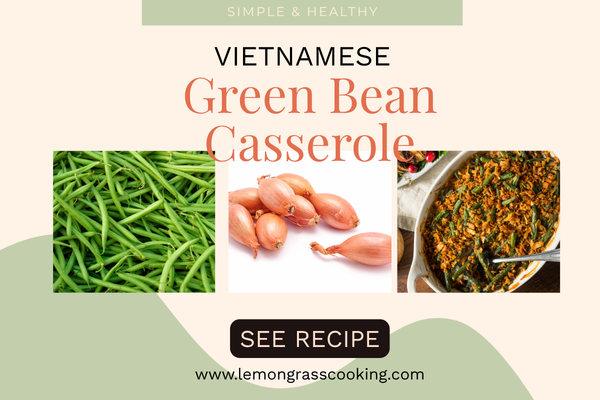
How to Make Vietnamese Green Bean Casserole
How to Make Vietnamese Green Bean Casserole. This Vietnamese-inspired green bean casserole brings together the comfort of a classic holiday dish with the aromatics and savory backbone of Vietnamese cooking. Coconut cream adds richness without…
-
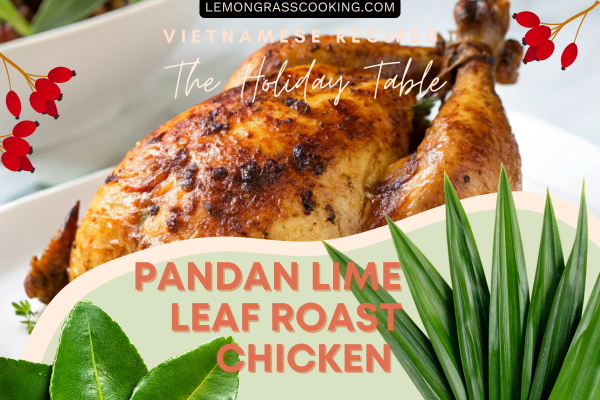
Pandan Lime Leaf Roast Chicken with Coconut Drippings Rice
Pandan Lime Leaf Roast Chicken with Coconut Drippings Rice brings together bright Southeast Asian aromatics and cozy roast‑chicken comfort. Pandan and lime leaf perfume the chicken as it cooks, coconut milk keeps everything tender, and…
-
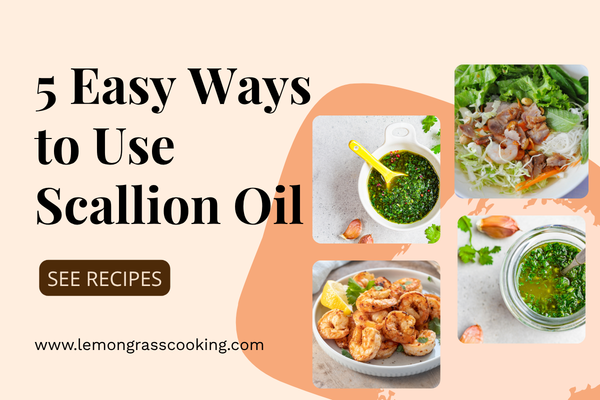
5 Bright and Easy Ways to Use Scallion Oil
5 Bright and Easy Ways to Use Scallion Oil – Scallion oil has always been one of Vietnamese cooking’s simplest magic tricks—an everyday way to make humble dishes taste cared for. You see it brushed…
-

Brown Butter Jasmine Rice with Fresh Scallion Oil
Your next simple holiday side! Brown Butter Jasmine Rice with Fresh Scallion Oil brings cozy fall warmth to the holiday table. The nutty brown butter adds deep, comforting richness, while scallion oil keeps everything bright…
-

Fresh and Crunchy Fall Apple Shrimp Rolls
Fresh and Crunchy Fall Apple Shrimp Rolls (Gỏi Cuốn) deliver crisp apple sweetness, bright herbs, and tender shrimp wrapped in a refreshing Vietnamese‑inspired fresh roll perfect for fall. A Tart Update to Your Spring Rolls…
-

Charred Brussels Sprouts with Tamarind Honey Glaze
Charred Brussels Sprouts with Tamarind Honey Glaze brings a fresh, modern lift to classic holiday vegetables. The deep char delivers familiar comfort, while the tamarind honey glaze adds Vietnamese‑inspired brightness that keeps the table feeling…
-

Vietnamese Cranberry and Ginger Pickles
Vietnamese Cranberry and Ginger Pickles take a familiar fall flavor and flip it into something bright, quick, and unexpected. Instead of the usual sweet sauces or baked dishes, this version leans into Vietnamese-style acidity —…
-

Simple Charred Peanut Lime Tofu Steakhouse Salad
Simple Charred Peanut Lime Tofu Steakhouse Salad will be a go-to for plant-based protein meal that delivers a bright twist! This salad brings together charred tofu, a bright peanut lime sauce, and a crisp steakhouse-style…
-

Vietnamese Chili Crisp Chicken Cutlets with Pickled Herb Salad
Healthy Vietnamese Chili Crisp Chicken Cutlets with Pickled Herb Salad under 30-minutes. This Vietnamese salad bowl layers crispy chili crisp chicken cutlets over a bright, pickled herb salad. The cutlets bring heat and crunch, while…
-

Easy and Quick Vietnamese Pantry Marinades
For busy weeks when dinner needs to be fast and flavorful, Easy and Quick Vietnamese Pantry Marinades offer a simple solution built from everyday ingredients. Why These Vietnamese Marinades Work Busy weeks make it hard…
-

Vietnamese BBQ Pork Meatball Banh Mi
Vietnamese BBQ Pork Meatball Bánh Mì delivers tender xíu mại-style meatballs, a light tomato glaze, and crisp Vietnamese pickles inside a warm, airy baguette. What Makes This Bánh Mì Special This Vietnamese BBQ Pork Meatball…
-
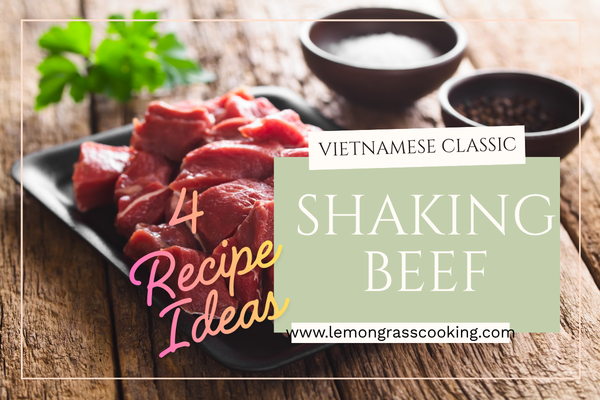
Shaking Beef Four Ways: Modern Takes on a Vietnamese Classic
Shaking Beef Four Ways: Modern Takes on a Vietnamese Classic. New Takes on Shaking Beef: Tacos, Salad, Bowls, and More These four Shaking Beef variations keep the dish’s iconic flavor while making it flexible for…