Vietnamese Rice Paper Guide: How to Buy, Store & Use Rice Paper
Rice paper (bánh tráng) is one of the most versatile staples in a Vietnamese pantry. It’s used for fresh rolls, fried rolls, snacks, and even modern recipes like rice paper dumplings or rice paper “noodles.” This guide breaks down how to buy it, store it, and use it — plus the most common questions home cooks ask when they’re learning how to work with rice paper.
This post may contain affiliate links. As an Amazon Associate, we earn from qualifying purchases. These small commissions help support the development of new recipes, pantry guides, and cooking resources on Lemongrass Cooking.
In This Pantry Guide
What is Rice Paper (bánh tráng)?
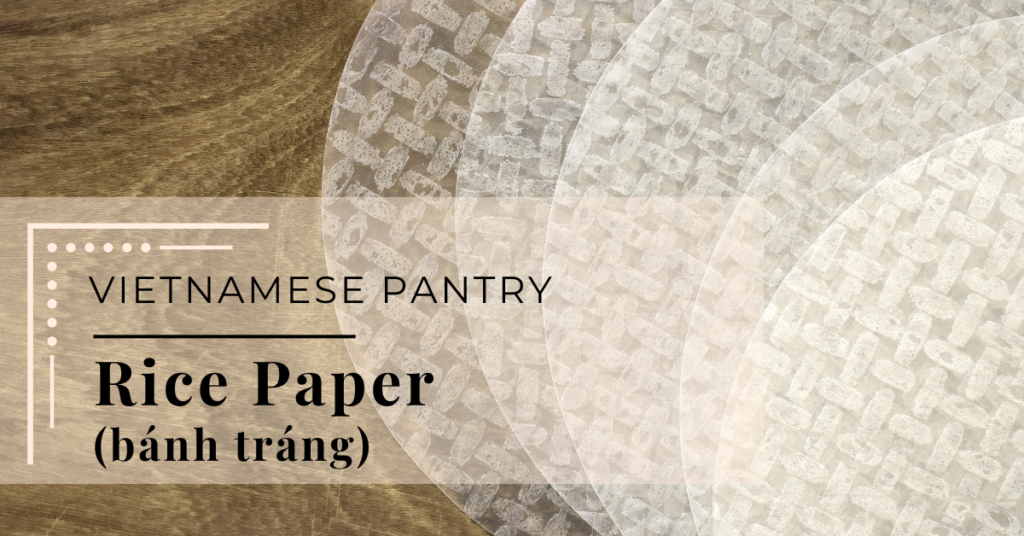
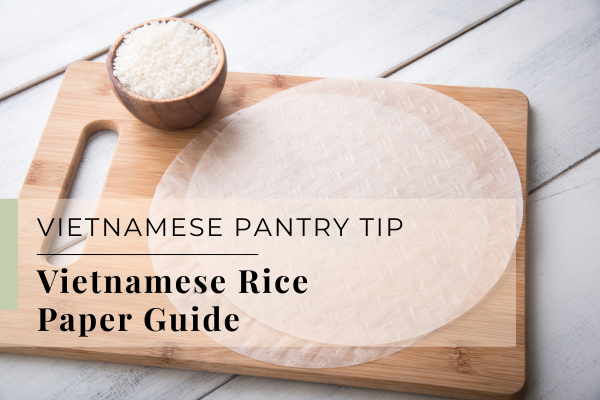
Rice paper is a thin, dry sheet made from rice flour, tapioca starch, water, and salt. Once softened, it becomes flexible and chewy, perfect for wrapping fresh herbs, noodles, and proteins.
How to Buy Rice Paper
- Ingredients: Rice flour + tapioca starch + water + salt. Avoid brands with fillers or preservatives.
- Texture: Look for sheets that are smooth, not brittle or cracked.
- Color: Slightly opaque white is normal. Yellowing can mean old stock.
- Shape: Round is most common, but square and mini sizes exist for specific uses.
Thickness/Density Matters:
- Thin: Best for fresh rolls
- Medium: Best all‑purpose
- Thick: Best for frying
Pantry Tip: Best Rice Paper Sizes
- 22 cm round: The standard for fresh spring rolls
- 16 cm round: Great for smaller rolls or snacks
- Square sheets: Ideal for frying because they fold neatly
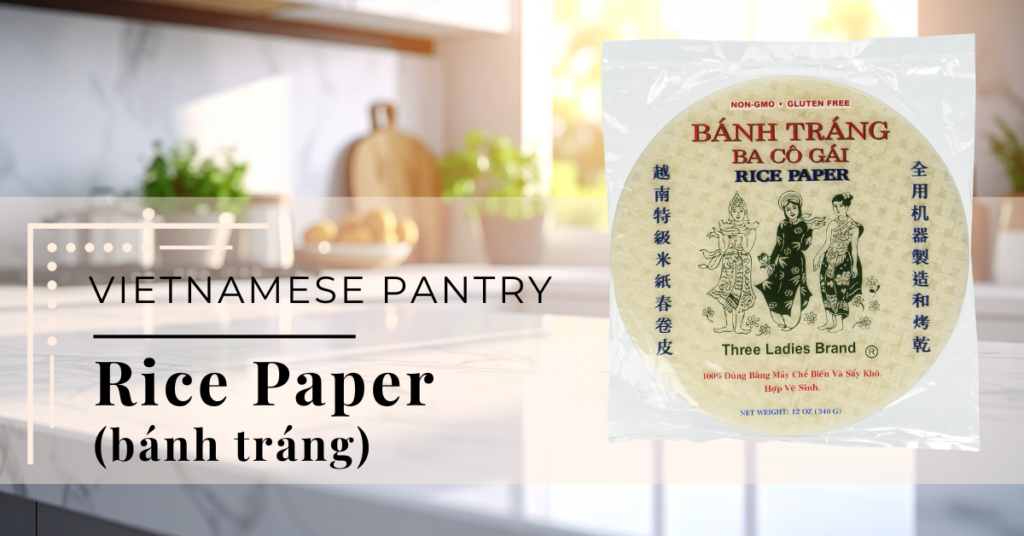
Shop Our Rice Paper Top Pick: Three Ladies Brand Rice Paper
How to Store Rice Paper
Pantry Storage & Shelf Life
- Keep rice paper in a cool, dry place away from humidity.
- Once opened, store the stack in a sealed bag or airtight container.
- Add a dry paper towel inside the bag if your kitchen runs humid.
- Stores unopened: 1-2 years
- Opened: 6-12 months if kept dry
How to Use Rice Paper
Rice paper doesn’t need soaking — just a quick dip.
The correct way to soften rice paper
- Fill a shallow plate or bowl with warm water.
- Dip the sheet for 1–2 seconds only.
- Place it on a board or plate — it will continue softening on its own.
Over‑soaking is the #1 mistake. It makes the sheet sticky, fragile, and impossible to roll.
Tips for rolling success
- Work quickly — rice paper becomes sticky as it sits.
- Keep fillings dry to avoid tearing.
- Don’t overfill.
- Fold the sides in tightly, then roll forward with gentle pressure.
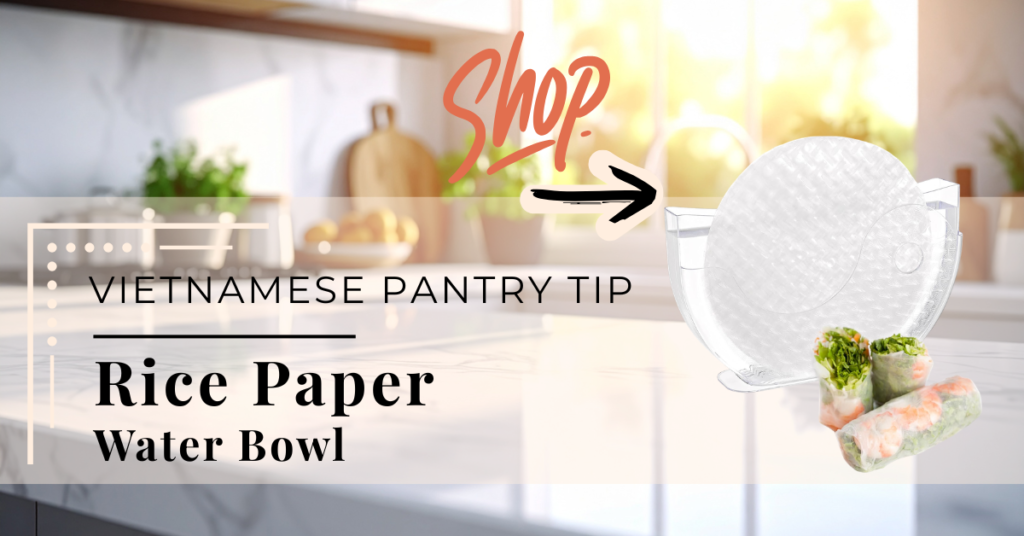
Shop Rice Paper Water Bowls: Shop Now
Common Uses for Rice Paper
- Fresh spring rolls (gỏi cuốn)
- Fried spring rolls (chả giò)
- Rice paper chips
- Rice paper dumplings
- Rice paper wraps for grilled meats
Related Rice Paper Recipes:
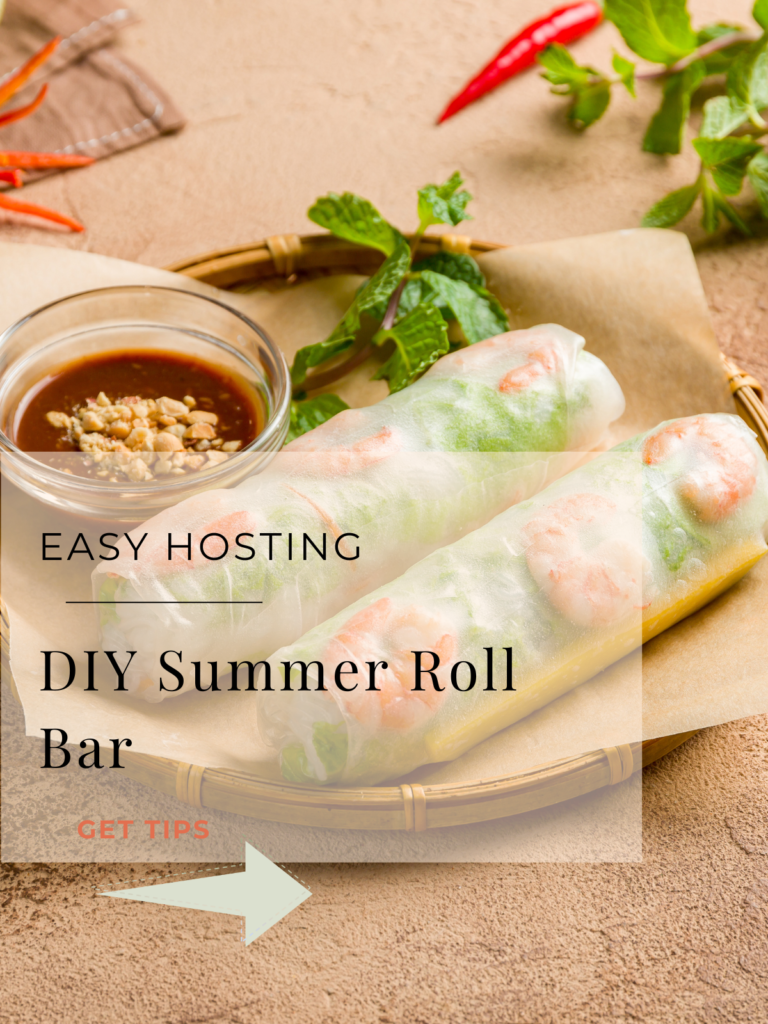
- The Ultimate DIY Vietnamese Summer Roll Bar
- DIY Summer Roll Bar (Fresh, Festive, Shareable)
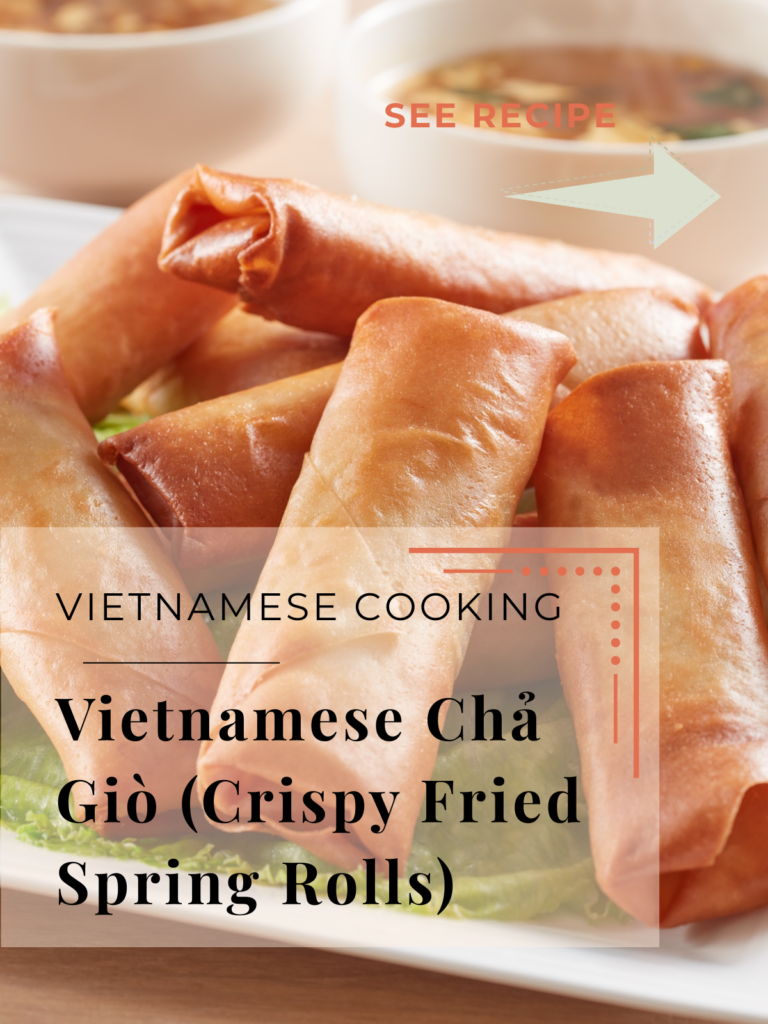
- Classic Vietnamese Chả Giò (Crispy Fried Spring Rolls)
FAQ: Everything Home Cooks Ask About Rice Paper
Why does my rice paper tear? Usually from over‑soaking or using fillings that are too wet. Dip quickly and pat vegetables dry.
Why is my rice paper too sticky? It sat too long after dipping. Assemble immediately.
Can I use cold water instead of warm? Yes, but warm water softens more evenly and gives you better control.
What’s the best rice paper for frying? Medium or thick sheets with a higher tapioca content. They blister and crisp beautifully.
Why does my rice paper crack in the package? Humidity changes cause brittleness. Store in an airtight bag.
Can I freeze rice paper? No. Freezing causes cracking and uneven texture.
Can I make rice paper rolls ahead of time? Yes, but cover them with a damp towel and store in an airtight container. They’re best eaten within 4 hours.
What’s the difference between rice paper and rice wrappers? They’re the same thing — “rice wrappers” is just the English name.
Can I microwave rice paper? Yes. Microwaving makes it crisp, similar to a chip.
Why does my rice paper taste chewy? That’s normal. Tapioca gives rice paper its signature chew.
Browse Related Recipes