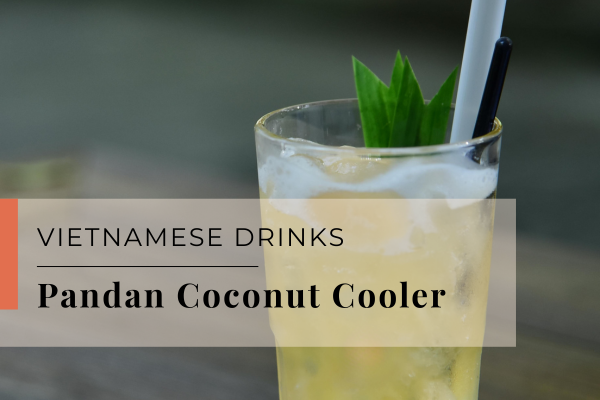
Simple Pandan Milk Tea – A Cozy Aromatic Twist on Milk Tea
Pandan Milk Tea is one of those drinks that feels instantly comforting — warm, fragrant, and naturally green without any food coloring. It takes the familiar structure of milk tea and layers in the soft, floral aroma of pandan, an ingredient that shows up across Vietnamese kitchens in everything from rice to desserts.
This version keeps the drink simple and modern, leaning on real pandan leaves for flavor instead of bottled extracts or syrups. It’s the kind of everyday drink you can make in 15 minutes, warm or iced.
In This Tea Guide: Simple Pandan Milk Tea
The Cultural Thread: Vietnamese Flavor Meets Chinese Milk Tea Tradition
Milk tea didn’t originate in Vietnam. Its roots trace back to Chinese and Taiwanese tea culture — hot tea softened with milk, later evolving into the modern milk teas that spread across Asia.
Vietnam’s relationship to milk tea is shaped by that history. As milk tea shops became popular across the region, Vietnamese drinkers adapted the format with local flavors:
- pandan
- coconut
- condensed milk
- jasmine tea
- tropical fruit purées
More Pantry Ingredients & Tips
Latest Vietnamese Pandan Recipes:
- Pantry Basics: Getting Started with Pandan, The Quiet Aromatic Stunner
- Aroma Infusion: Easy Pandan Coconut Rice
- As a BBQ Side: Pandan Honey Butter Corn (Grilled or Roasted)
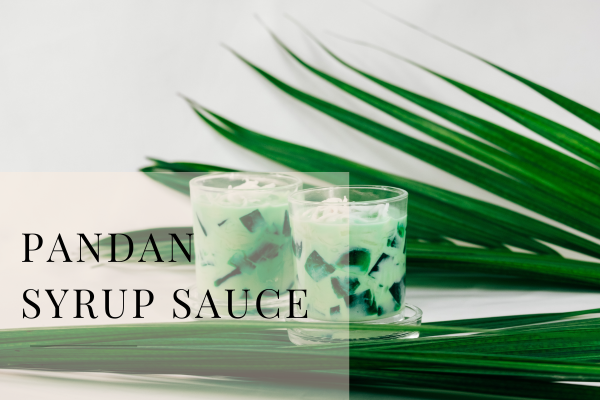
- Sweet Pandan: Pandan Simple Syrup Sauce and Pandan Banana Bread with Coconut Milk
- Get Inspired With Pandan: Browse More
So while the structure of milk tea comes from Chinese and Taiwanese traditions, the flavor logic in this recipe is distinctly Vietnamese: aromatic leaves, gentle sweetness, and ingredients that feel at home in a Vietnamese pantry.
This recipe reflects that natural borrowing — not fusion for the sake of novelty, but a continuation of how flavors travel across borders in everyday Asian cooking
Get Started with Pandan
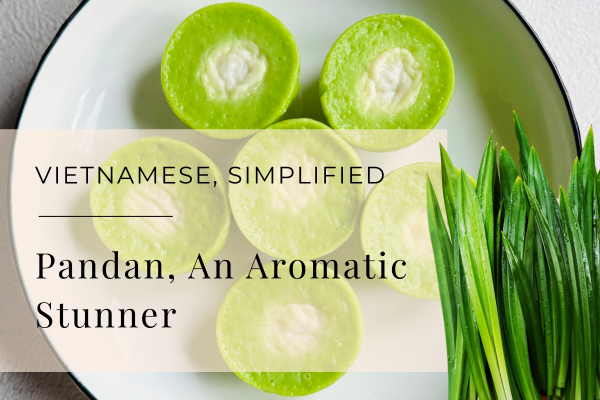
Pandan is one of the quiet aromatics of Vietnamese cooking — grassy, floral, and naturally sweet in a way that feels comforting rather than perfumed. If you’re new to it, the easiest way to learn is to treat pandan the same way you’d treat vanilla bean or citrus peel: as an aromatic you steep, simmer, or infuse into a base.
Check out the beginner‑friendly path that helps you understand how to maximize the pandan pantry ingredient.
Why Pandan Works So Well in Milk Tea
Pandan has the same effect in drinks that vanilla has in Western baking: it softens edges, adds warmth, and brings a quiet floral aroma. When steeped into water before adding tea, it creates a fragrant base that transforms a simple milk tea into something special.
It’s also naturally green, which gives the drink a soft, pastel color without dyes.
Warm or Iced for Simple Pandan Milk Tea
This milk tea is flexible:
- warm for a cozy, latte‑like drink
- iced for something refreshing and lightly sweet
The flavor stays balanced either way.
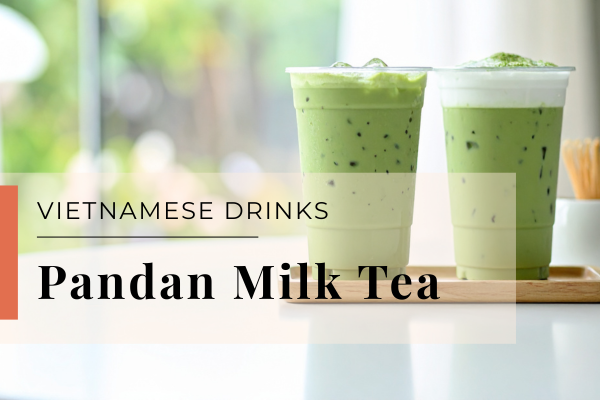
Aromatic Pandan Milk Tea
Equipment
- Small pot
- Fine mesh strainer
- Mugs, heat proof pitcher
Ingredients
- 2-3 cups water
- 3 to 4 pandan leaves tied into a knot (or 1 teaspoon pandan extract)
- 1 black tea bag or 1 teaspoon loose black tea
- 1 cup milk of choice
- 1 to 2 tablespoons sugar or simple syrup to taste
Instructions
- Simmer the pandan leaves in the water for 5 to 7 minutes until fragrant.
- Remove the pandan leaves and add the tea bag. Steep for 3 to 4 minutes, adjusting for preferred strength.
- Stir in the milk and sugar. Warm gently without boiling.
- Serve warm immediately or cool slightly and pour over ice for an iced version.
Notes
- Simmer the pandan leaves up to 10 minutes for a stronger aroma.
- Coconut milk creates a richer, dessert‑like version.
- Sweeten with pandan syrup for extra aroma and color consistency.
- Use decaf black tea or rooibos for a caffeine‑free option
Pandan in Chè: A Natural Bridge to Vietnamese Desserts
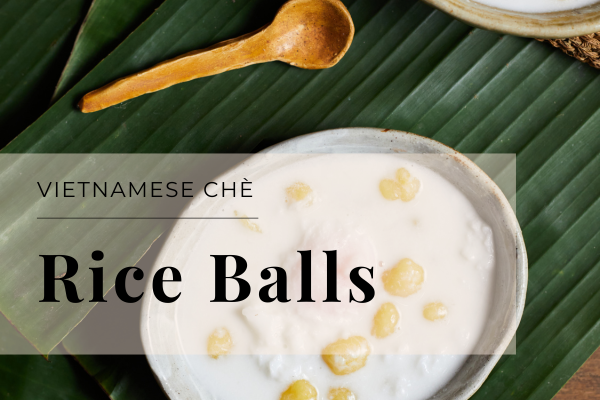
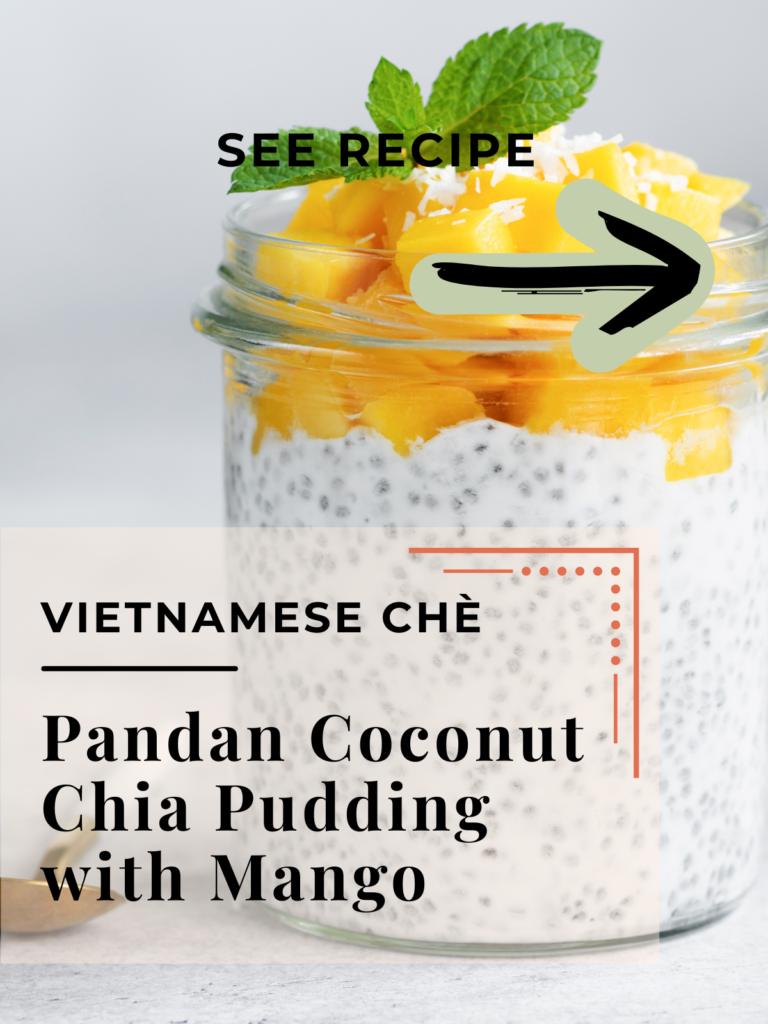
Pandan shows up everywhere in Vietnamese cooking, but it’s especially at home in chè — our family of warm and chilled dessert soups, puddings, and layered drinks. If milk tea is where pandan meets Chinese and Taiwanese tea culture, chè is where pandan feels most native: soft, aromatic, and woven into coconut‑based desserts.
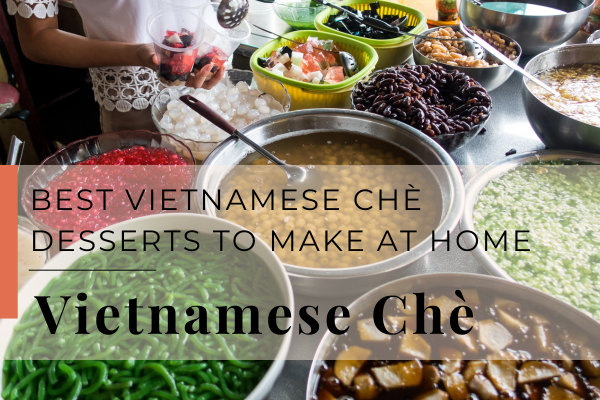
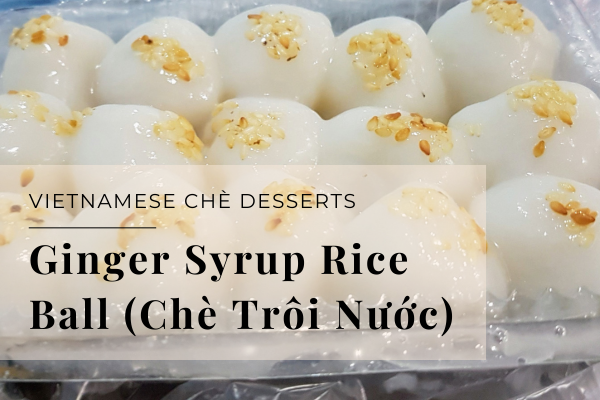
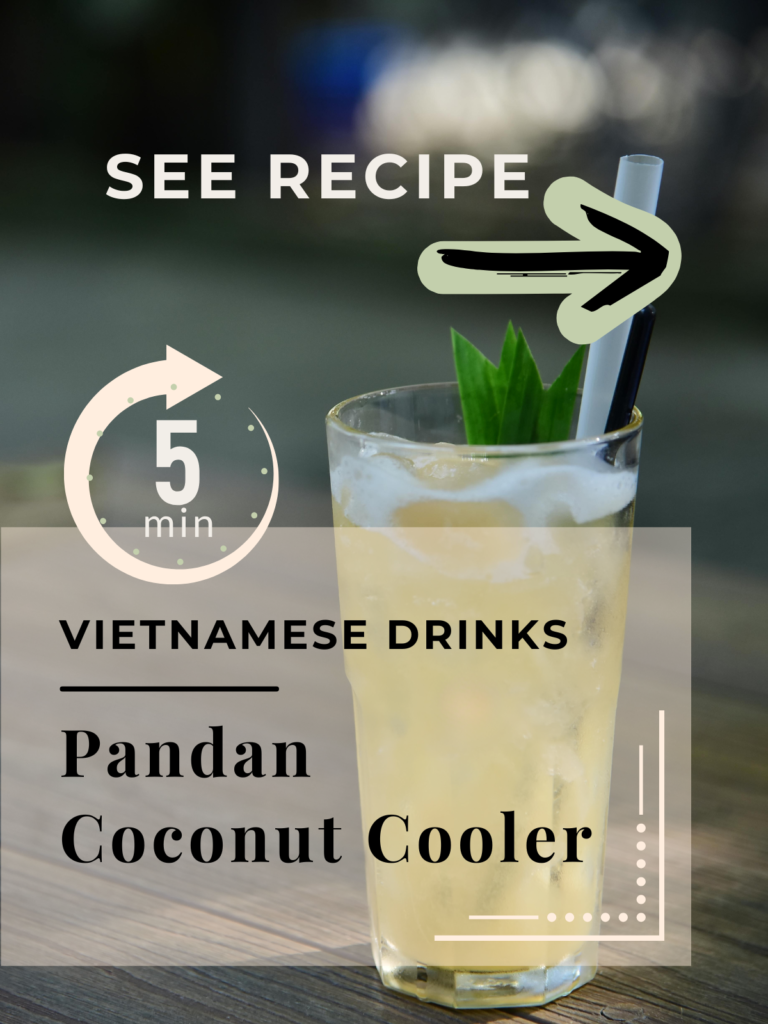
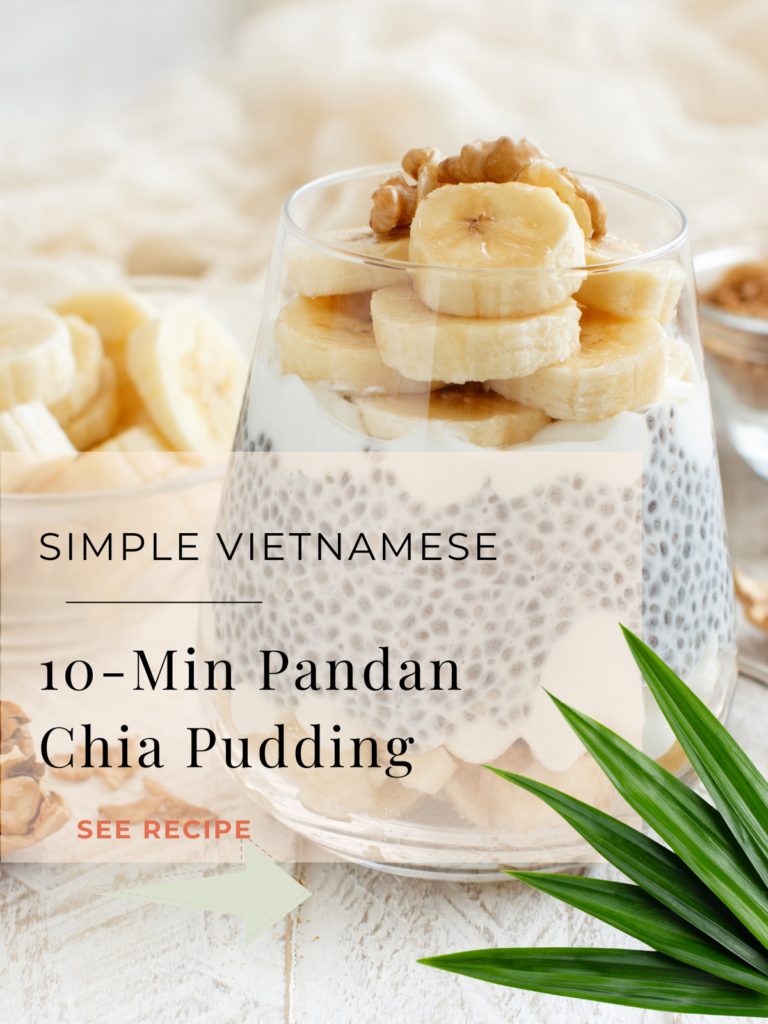
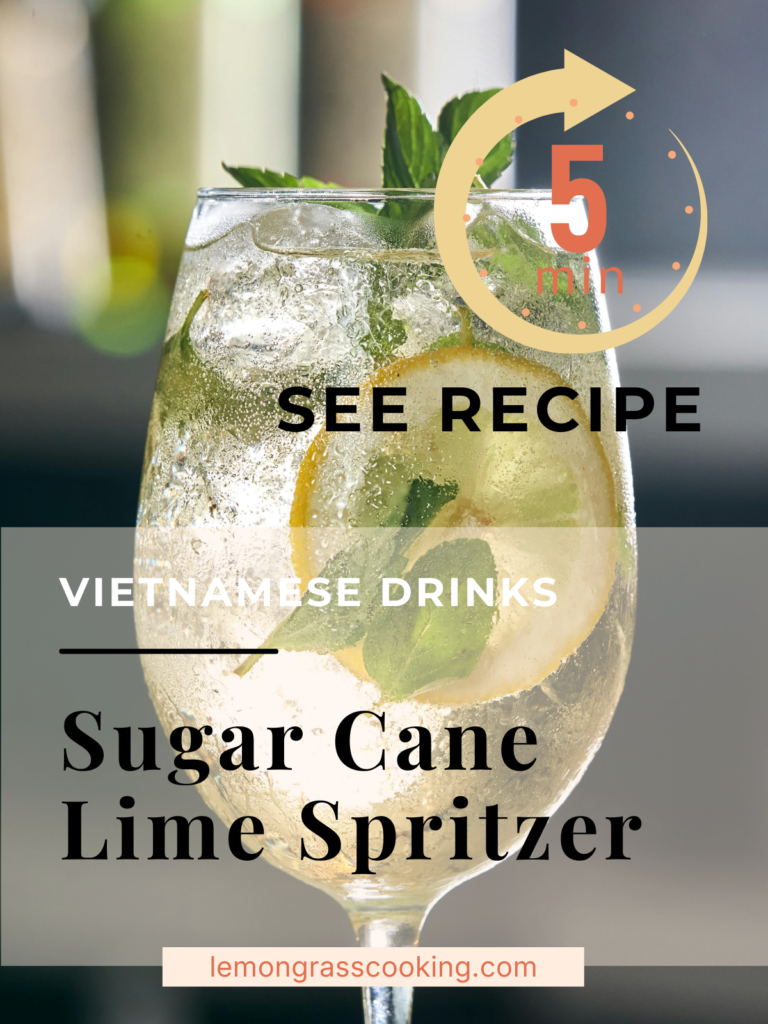
Adding a chè section here helps readers understand how pandan moves across formats — from drinks to desserts — and gives them options to explore if they love the flavor. Browse Best Vietnamese Chè Desserts to Make at Home.
Explore Drinks & Desserts
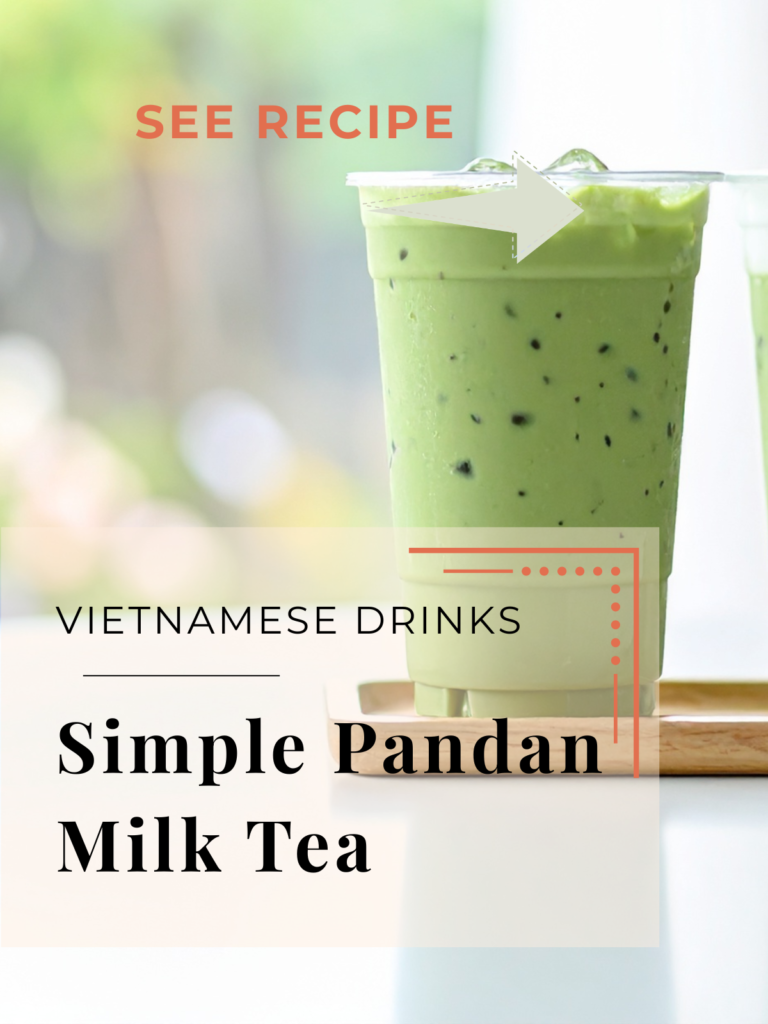
FAQ: Simple Pandan Milk Tea
What does pandan taste like?
Pandan has a soft, floral aroma with notes of vanilla, coconut, and fresh grass. It’s gentle rather than perfumy, which makes it perfect for warm drinks and coconut‑based desserts.
Can I use pandan extract instead of pandan leaves?
Yes, but use it sparingly. Most bottled extracts are strong and can taste artificial. Start with ¼ to ½ teaspoon and adjust to taste. Fresh or frozen leaves give the cleanest, most balanced flavor.
Is pandan milk tea caffeinated?
If you use black tea, yes. For a caffeine‑free version, swap in rooibos or decaf black tea. The pandan flavor stays the same.
Can I make this iced?
Absolutely. Let the tea cool slightly, then pour over ice. The pandan aroma holds up well in cold drinks.
Can I make pandan milk tea ahead of time?
Yes — store the tea base (pandan + tea + sweetener) in the fridge for up to 3 days. Add milk right before serving for the best texture.
What type of milk works best?
Whole milk, oat milk, and coconut milk all work. Coconut milk creates a richer, dessert‑like version that pairs naturally with pandan.
How do I get a stronger pandan flavor?
Simmer the pandan leaves for up to 10 minutes, or use an extra leaf. Avoid boiling — it can dull the aroma.
Is this the same as the milk teas from boba shops?
It’s inspired by the same Chinese and Taiwanese milk tea structure, but the flavor profile is distinctly Vietnamese. Instead of brown sugar or creamer powders, this version leans on real pandan leaves and a clean infusion.
Can I use pandan in other Vietnamese desserts?
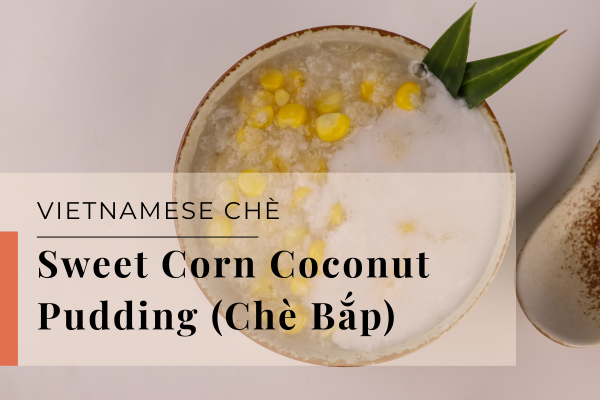
Yes — pandan is essential in many chè recipes. It works beautifully in chè bắp (sweet corn pudding), chè đậu xanh (mung bean dessert), and chè ba màu (three‑color dessert with pandan jelly).