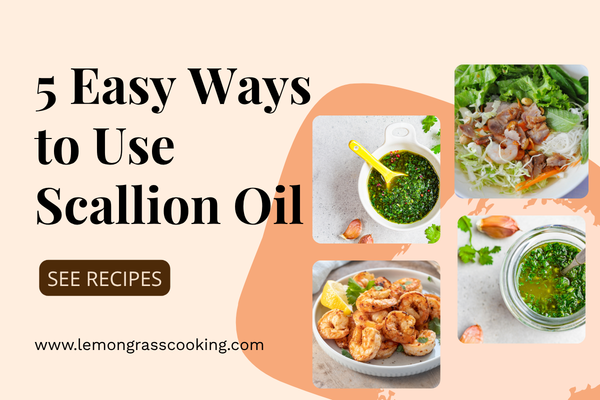
5 Bright and Easy Ways to Use Scallion Oil – Scallion oil has always been one of Vietnamese cooking’s simplest magic tricks—an everyday way to make humble dishes taste cared for. You see it brushed over thịt nướng [thịt nướng], spooned onto bun bowls, glossing broken rice plates, or drizzled over crispy banh hoi bundles to wake everything up with aroma and warmth.
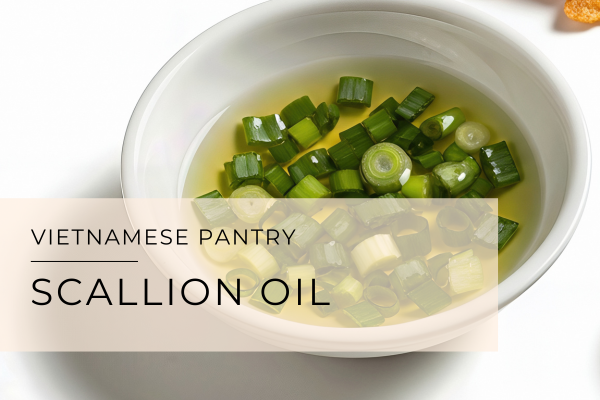
It’s just hot oil poured over sliced scallions, but the result is a fragrant, silky drizzle that turns plain rice, noodles, proteins, or vegetables into something brighter and more intentional. Keep a jar in the fridge and you suddenly have a weeklong shortcut rooted in Vietnamese tradition that makes even the simplest meals feel layered and satisfying.
In This Recipe Guide: 5 Bright and Easy Ways to Use Scallion Oil
Intro: 5 Bright, Easy Ways to Use Scallion Oil
A Vietnamese pantry staple that makes everything taste more intentional.
Scallion oil is one of the quiet heroes of Vietnamese home cooking — simple, aromatic, and endlessly versatile. Hot oil softens the scallions just enough to release their fragrance, creating a silky, savory drizzle that instantly wakes up rice, noodles, proteins, vegetables, and even leftovers. If you keep a jar in the fridge, you always have a way to add brightness and depth without extra cooking.
Below are high-impact, 5 Bright and Easy Ways to Use Scallion Oil.
1. Drizzle Over Freshly Cooked Rice
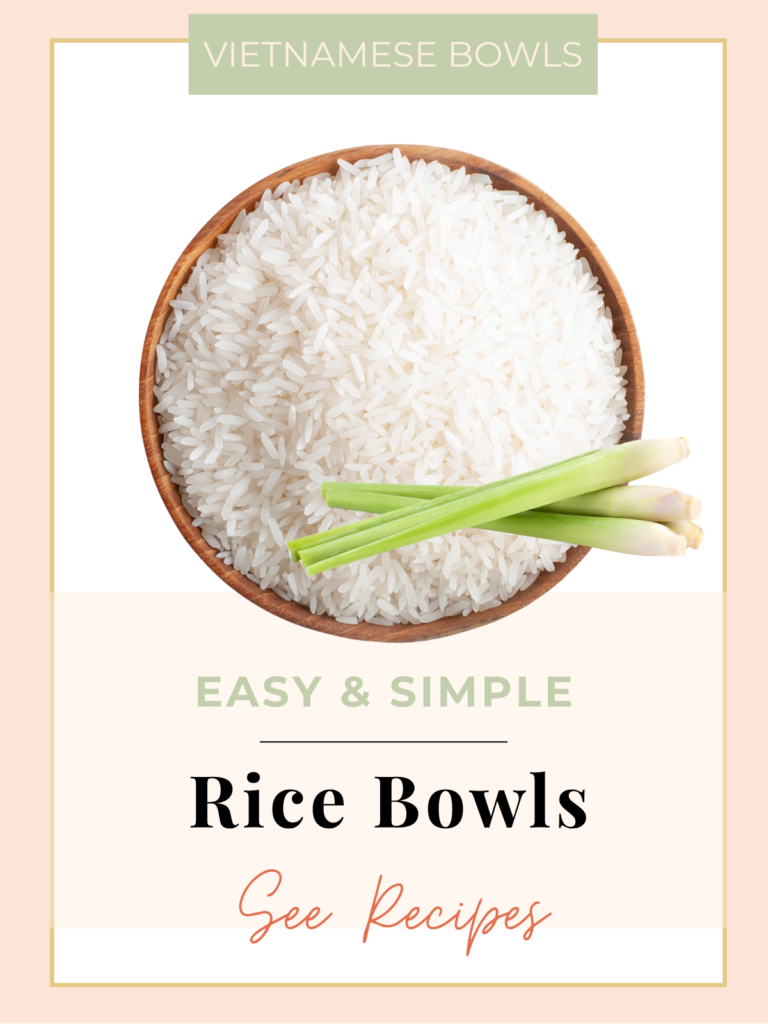
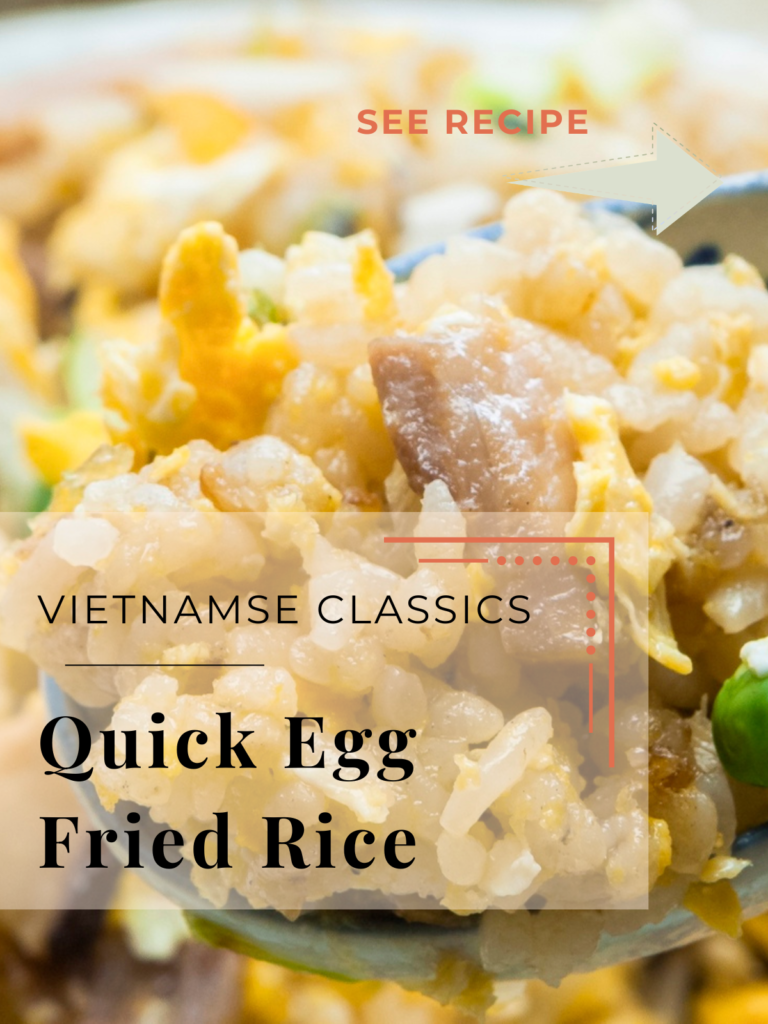
Scallion oil adds aroma, savoriness, and a clean finish to warm jasmine rice. It’s the fastest way to make simple rice taste intentional — perfect for bowls, grilled proteins, or cozy weeknight meals.
Explore Featured Recipes:

Explore More Vietnamese Pantry Tips:
2. Finish Noodle Bowls
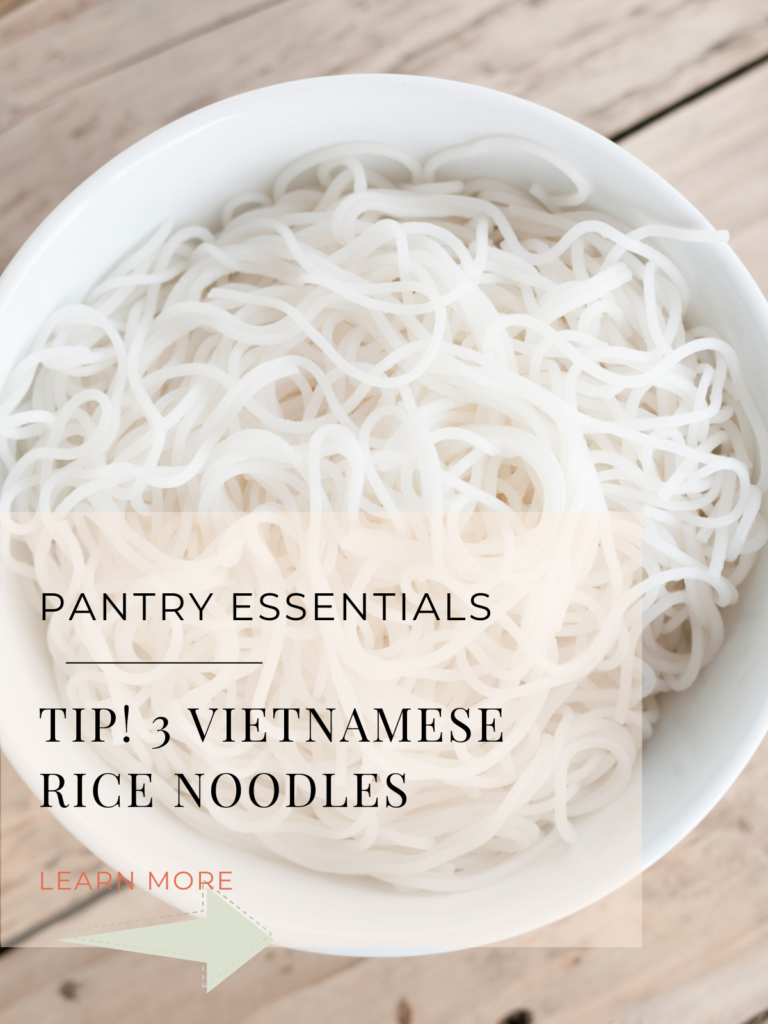
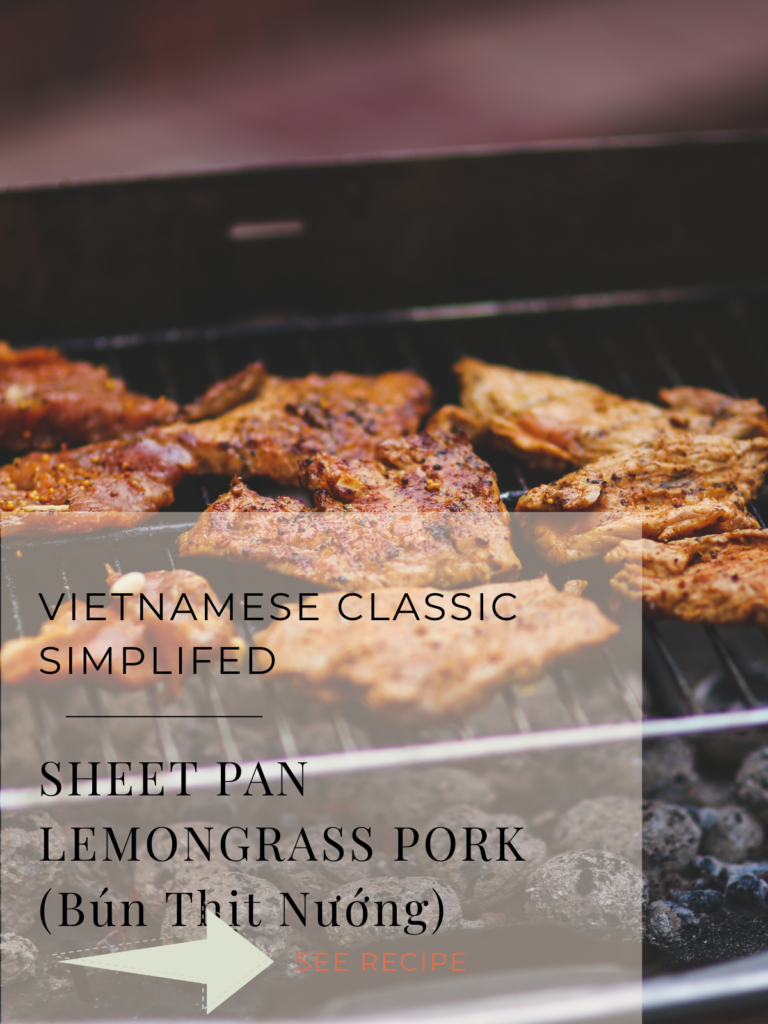
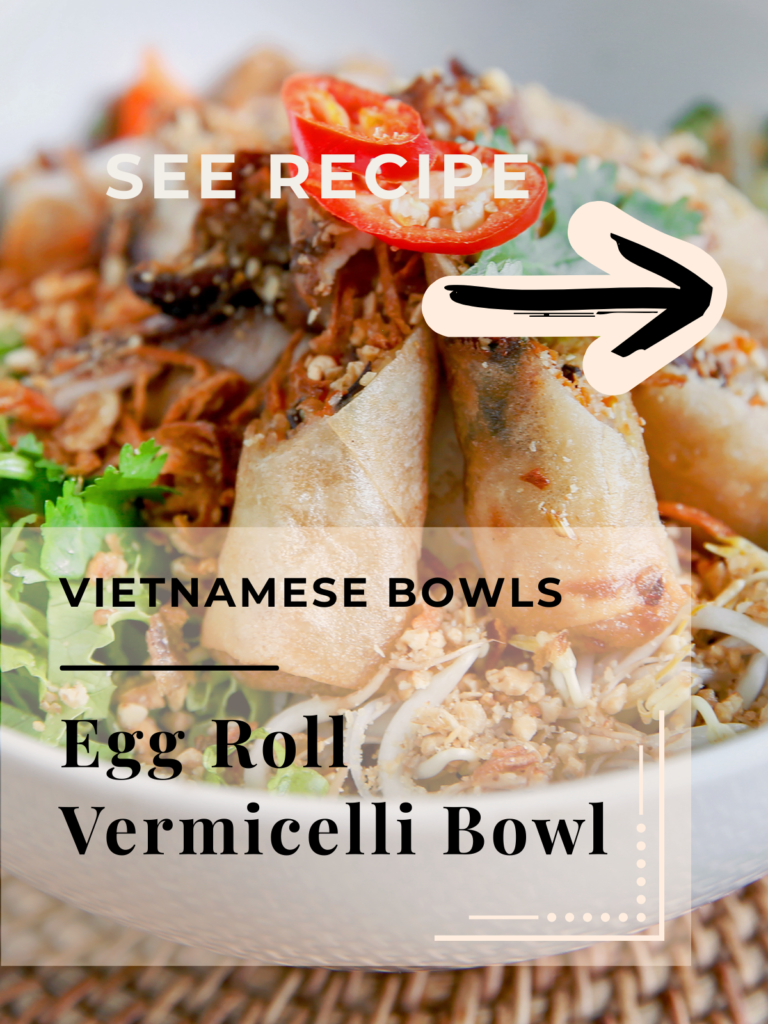
A spoonful over vermicelli or rice noodles adds sheen, fragrance, and balance. It helps sauces cling better and rounds out salty, spicy, or citrusy components.
Explore Featured Recipes:

Explore More Vietnamese Pantry Tips:
3. Brighten Grilled or Roasted Proteins
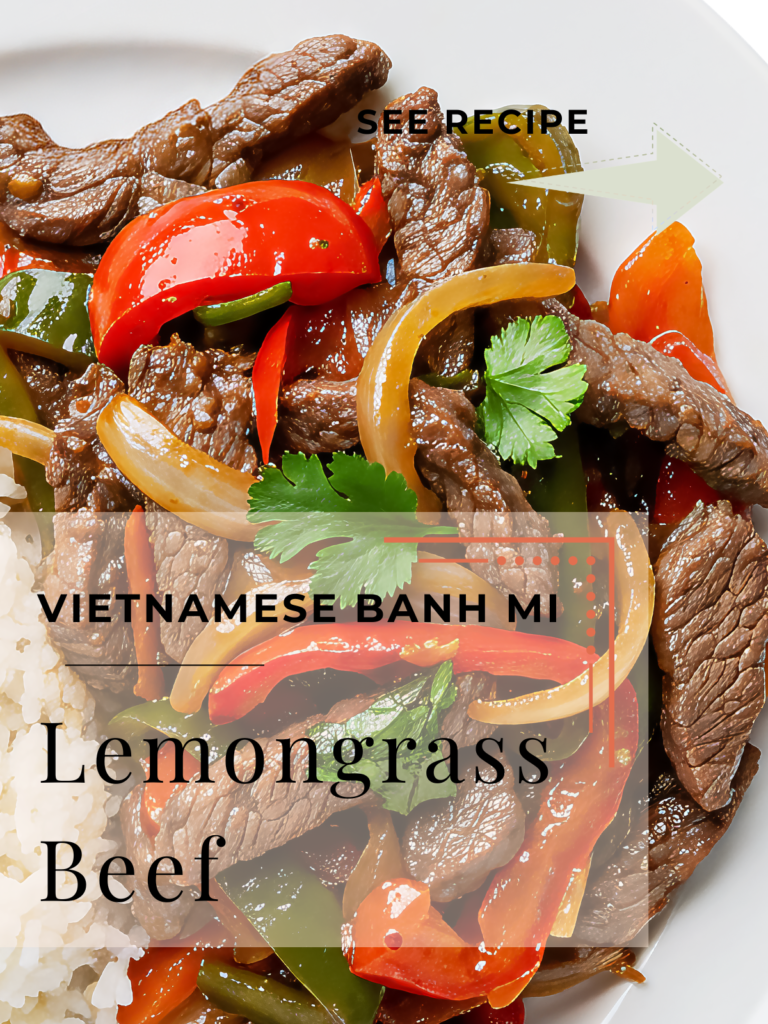
Chicken, shrimp, tofu, pork, or salmon instantly gain flavor and moisture with a quick drizzle. Scallion oil adds freshness without overpowering the main dish.
Explore Featured Recipes:


Explore More Vietnamese Pantry TIps:
4. Wake Up Vegetables
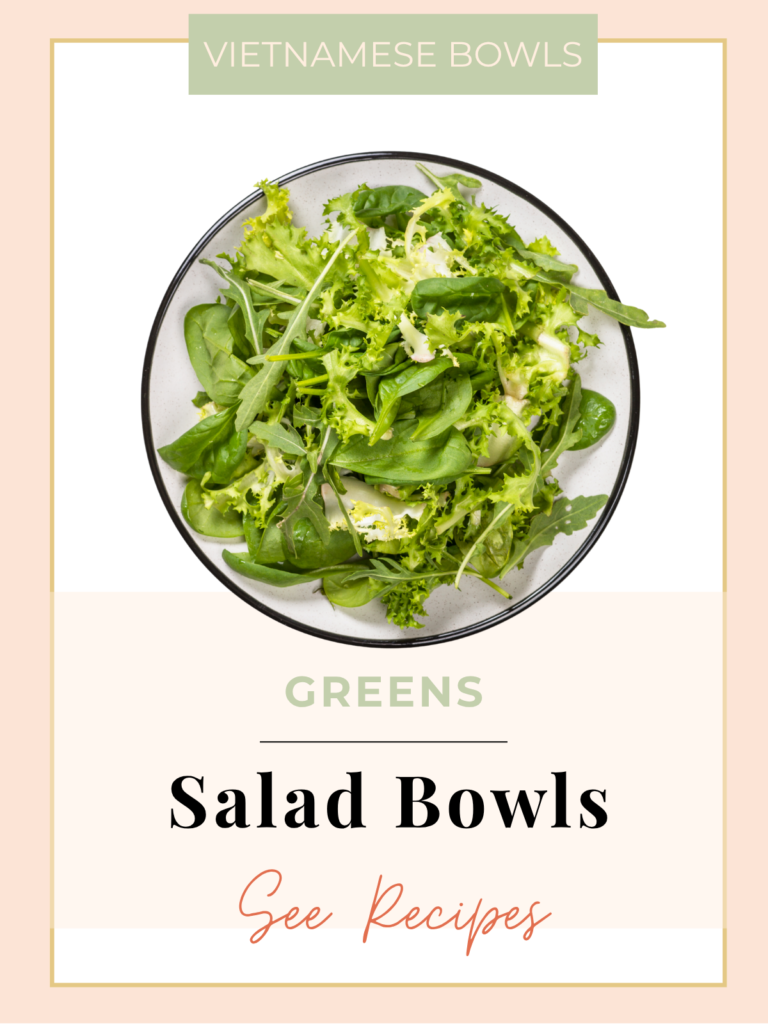
Steamed, roasted, or sautéed vegetables get a clean, savory lift that keeps them tasting fresh instead of heavy. It’s especially good on green beans, bok choy, broccoli, and squash.
Explore Featured Recipes:


Explore More Vietnamese Pantry Tips:
5. Build Quick Sauces & Marinades
Mix scallion oil with fish sauce, soy sauce, lime juice, or vinegar to create fast, flavorful sauces and marinades. It’s the perfect base for bright, aromatic dressings and bowl toppers.
Explore Featured Recips:
Explore More Vietnamese Pantry Tips:
Why Scallion Oil Matters in Vietnamese Cooking
Scallion oil comes from pure kitchen practicality — transforming simple scallions with hot oil into something fragrant, silky, and deeply comforting. It’s used across rice, noodles, grilled meats, tofu, and congee because it adds brightness and aroma without extra cooking. Over generations, this humble technique became tradition, and today it’s one of the defining touches of Vietnamese comfort food.
Make It a Pantry Staple
A small jar of scallion oil in the fridge makes everyday cooking feel effortless. It’s fast, inexpensive, and built from ingredients you already have — the kind of staple that turns simple meals into something special.
Get the Recipe: Scallion Oil in Under 10-Min

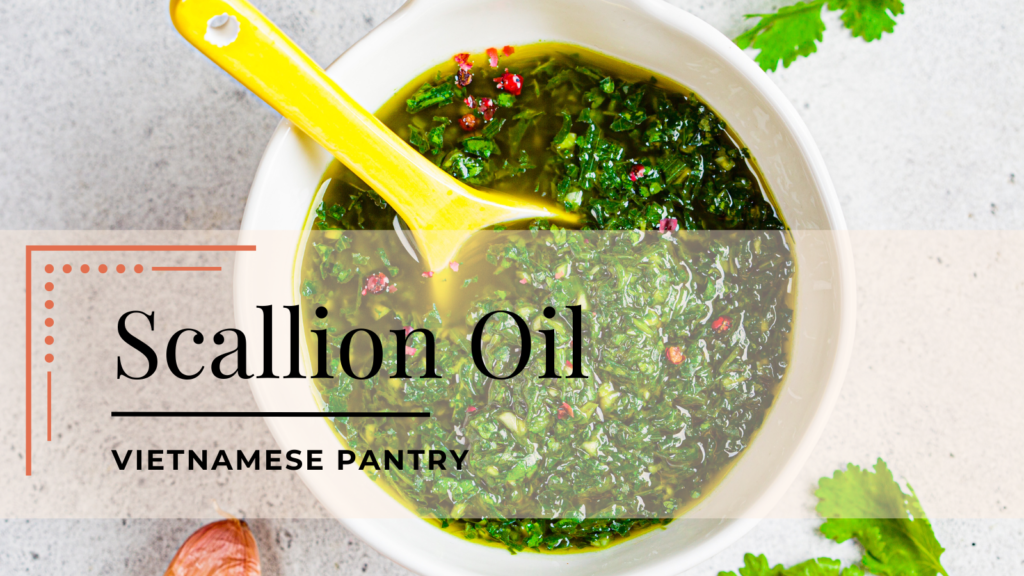
Scallion Oil
Equipment
- Small pot
- Heatproof bowl
- Knife
- Jar for storage
Ingredients
- 1 cup thinly sliced scallions about 1 large bunch
- 1/2 cup neutral oil avocado, canola, or grapeseed
- 1 small pinch kosher salt
Instructions
- Add the sliced scallions and salt to a heatproof bowl.
- Heat the oil in a small pot over medium until shimmering.
- Carefully pour the hot oil over the scallions — they should sizzle and turn bright green.
- Stir and let cool completely.
- Store in a sealed jar in the fridge for up to 1 week.
Notes
For deeper aroma, heat the oil until the first wisp of smoke appears, then pour immediately
Optional add-ins include ginger slices, white pepper, or fried shallots
Grapeseed oil keeps the flavor neutral while avocado oil adds a richer finish
Shop Vietnamese Pantry Ingredients for Your Holiday Table
A few minimal Vietnamese essentials to keep on hand for fast, flavorful cooking.

- Aromatic Essence: Pandan Extract
- Perfect Finishing Sauce: Maggi Seasoning
- Rice Noodle Favorite: Three Ladies Rice Noodles
- Top Choice: Red Boat Fish Sauce
- Cooking Curry: Madras Curry Powder
- Premium Options: Soy Sauce
- Simple Ingredients: Rice Vinegar
- Heat & Spice: Chili Crisp Oil
- Umami Flavor Boost:
- Creamy Thickener: Coconut Milk
This post may contain affiliate links. As an Amazon Associate, we earn from qualifying purchases. These small commissions help support the development of new recipes, pantry guides, and cooking resources on Lemongrass Cooking.
FAQ: Scallion Oil Basics
What is scallion oil? Scallion oil is a simple aromatic made by pouring hot neutral oil over sliced scallions. It creates a silky, fragrant drizzle used across Vietnamese cooking to add aroma, moisture, and brightness to otherwise simple dishes.
How is scallion oil used in Vietnamese cuisine? In Vietnamese kitchens, scallion oil is brushed over thit nuong [thịt nướng], spooned onto bun bowls, glossed over com tam plates, and drizzled onto banh hoi bundles. It’s a finishing element that signals care—turning everyday meals into something more layered and intentional.
How long does scallion oil last in the fridge? Stored in a clean, airtight jar, scallion oil keeps for up to one week. The aroma is strongest in the first 3–4 days, so use it generously during that window.
Can I use any type of oil? Use a neutral oil with a high smoke point—canola, grapeseed, or vegetable oil. Avoid olive oil or strongly flavored oils; they compete with the scallion aroma.
Do I need to cook the scallions first? No. The heat from the oil lightly “cooks” the scallions on contact, preserving their color and freshness while mellowing the raw bite.
Is scallion oil the same as fried shallots (hanh phi [hành phi])? No. Scallion oil is a fresh aromatic drizzle; hanh phi is a crispy topping made from fried shallots. They’re often used together in Vietnamese dishes, but they serve different roles—one adds aroma and moisture, the other adds crunch and depth.
Can scallion oil be made ahead for meal prep? Yes. It’s one of the easiest ways to upgrade weeknight cooking. Make a small jar on Sunday and use it across rice bowls, noodles, proteins, vegetables, and quick lunches throughout the week.
Why does my scallion oil turn dull or brown? The oil was likely too hot. Aim for a gentle sizzle when the oil hits the scallions—not a hard fry. Overheated oil can scorch the scallions and mute the aroma.
Can I freeze scallion oil? You can, but it’s not ideal. Freezing dulls the fresh scallion flavor. It’s better to make small batches you’ll use within a week.