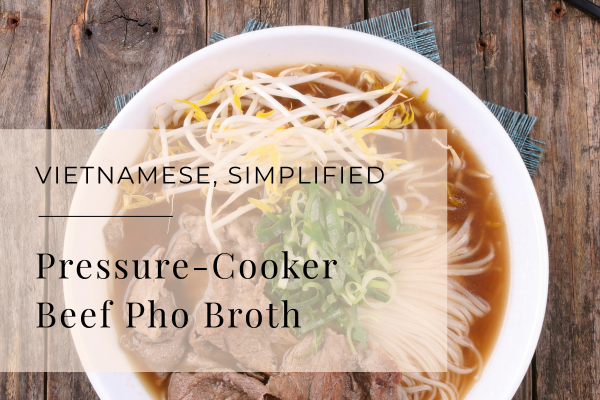
A warm, deeply aromatic broth in a fraction of the time with this Home‑Style Vietnamese Beef Pho Broth in the Pressure Cooker.
Traditional Vietnamese beef phở is slow, careful cooking — bones simmered for hours, aromatics charred until sweet and smoky, spices toasted just enough to open their fragrance. It’s the kind of broth that fills the house with warmth. But on weeknights, most home cooks don’t have six hours to spare.
This pressure‑cooker version keeps everything that matters: the clean, home‑style flavor, the gentle sweetness from charred onion and ginger, and the balanced spice profile that makes phở comforting rather than heavy. What you get is a broth that tastes like it simmered all afternoon, ready in about an hour, with no shortcuts that compromise the Vietnamese logic behind the dish.
If you’re building a modern Vietnamese kitchen at home, this is the foundational recipe — simple, reliable, and deeply satisfying.
In This Recipe & Cooking Guide
What Makes Home-Style Pho Different
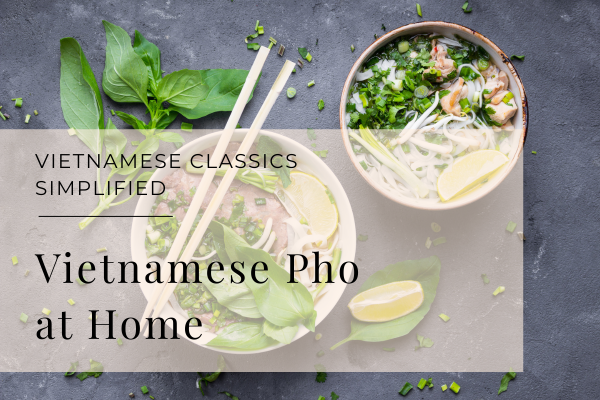
Restaurant phở is often richer and more intense, built for volume and consistency. Home‑style phở is lighter, cleaner, and more aromatic. It’s the version most Vietnamese families make:
- Clear broth with no cloudiness
- Balanced sweetness from onion, ginger, and a touch of sugar
- Spices that support, not dominate
- Seasoning finished in the bowl, not the pot
This pressure‑cooker method preserves that clarity and balance.
Why the Pressure Cooker Works for Pho Broth
Pho broth relies on two things: extraction and clarity.
The pressure cooker accelerates extraction — pulling flavor from bones, aromatics, and spices — without the rolling boil that can make broth cloudy. With the right steps (blanching, charring, toasting), you get a broth that tastes traditional but fits into a weeknight. This technique cuts the broth simmering process by hours.
Step‑by‑Step: How to Make Home‑Style Beef Phở in the Pressure Cooker
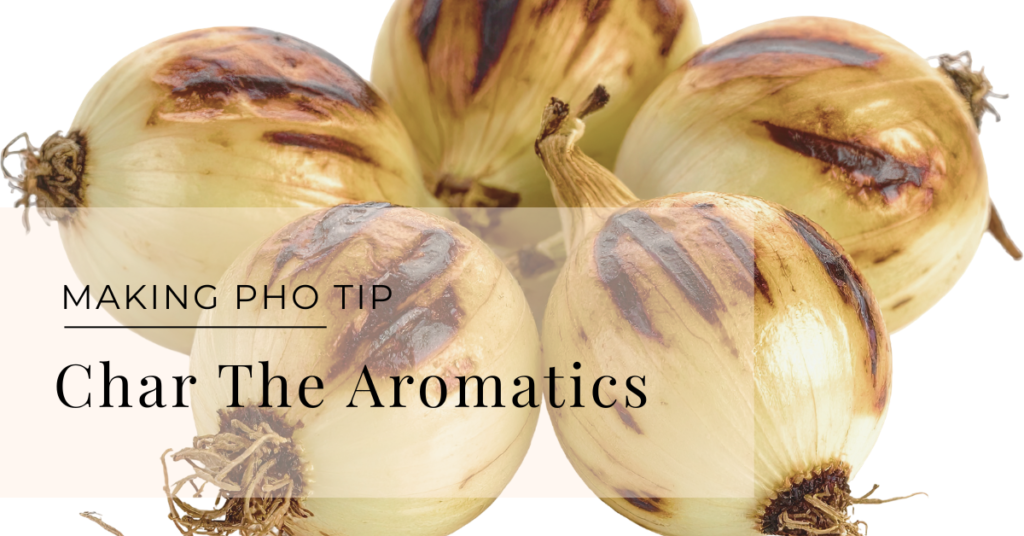
1. Char the aromatics. Charred onion and ginger are essential for depth and color. Broil until dark and blistered — this is where the broth gets its warmth.
2. Toast the spices. A quick toast wakes up the cinnamon, star anise, cloves, coriander, and fennel. This step keeps the broth fragrant without overpowering it.
3. Blanch the bones. A brief boil removes impurities and ensures a clear broth. This is the difference between clean home‑style phở and cloudy shortcuts.
4. Build the broth. Add bones, aromatics, spices, fish sauce, sugar, salt, and water to the pressure cooker.
5. Pressure cook. High pressure for 45 minutes, then natural release. This extracts flavor while keeping the broth light.
6. Strain and season. Strain for clarity. Adjust seasoning gently — phở is never aggressively salty. The final balance happens in the bowl.
7. Assemble your bowls. Layer noodles, thinly sliced beef, onions, herbs, and ladle hot broth over the top to cook the beef just enough.
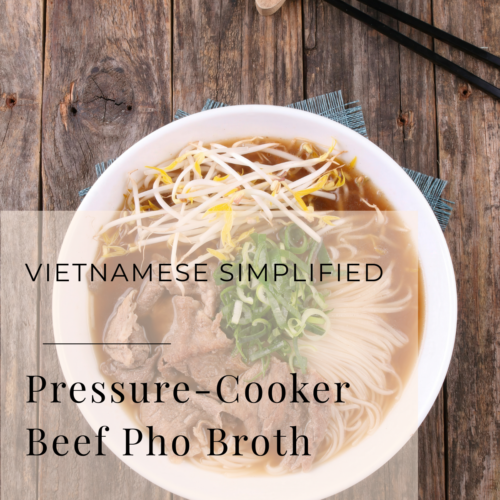
Home‑Style Beef Phở in the Pressure Cooker
Equipment
- Instant Pot or Pressure Cooker
- Large skillet
- Tongs
- Fine mesh strainer
Ingredients
Broth Base
- 2 lbs beef bones mix of marrow + knuckle or neck bones
- 1 large yellow onion halved
- 1 large piece ginger 3–4 inches, halved lengthwise
- 1 cinnamon stick
- 5 whole star anise
- 4 cloves
- 1 tsp coriander seeds
- 1 tbsp fish sauce to start; adjust later
- 1 tbsp sugar or small piece of rock sugar
- 1 tsp salt to start; adjust later
- 8 cups water
For Serving
- Thinly sliced raw beef eye round or sirloin
- Cooked rice noodles
- Thinly sliced onion
- Green onions
- Cilantro
- Lime wedges
- Bean sprouts
- Jalapeño optional
- Hoisin + sriracha optional
Instructions
- Dry‑roast the aromatics: Heat a dry skillet over medium‑high. Place onion and ginger cut‑side down and cook until deeply browned and fragrant. Flip once to lightly toast the other side.
- Toast the spices: In the same skillet, add cinnamon, star anise, cloves, and coriander seeds. Toast 1–2 minutes until fragrant.
- Optional: Blanch the bones for a cleaner broth:
- Cover bones with water in a pot. Boil 5 minutes, then drain and rinse. Skip this step for the fastest version — broth will still be delicious.
- Build the broth: Add bones, dry‑roasted onion, dry‑roasted ginger, toasted spices, fish sauce, sugar, salt, and water to the pressure cooker.
- Pressure cook: Cook on High Pressure for 45 minutes, then allow natural release (15–20 minutes).
- Strain: Remove bones, aromatics, and spices. Strain broth through a fine mesh strainer for clarity.
- Season to finish: Taste and adjust with more fish sauce, salt, or sugar. Traditional phở broth is balanced and gentle — final seasoning happens in the bowl.
- Assemble bowls: Add cooked noodles to bowls. Top with thinly sliced raw beef, onions, green onions, and cilantro. Ladle hot broth over the beef to cook it.
- Serve: Add lime, sprouts, jalapeño, and sauces to taste.
Notes
- Natural release keeps the broth clear and full‑bodied.
- Dry‑roasting is a classic Vietnamese shortcut — fast, fragrant, and low‑mess.
- A mix of bones gives the best depth: marrow for richness, knuckle for body.
- Freeze broth in portions for quick weeknight phở anytime.
How to Serve Beef Pho the Vietnamese Way
A proper bowl has balance:
- Noodles: soft but not mushy
- Beef: thin enough to cook in the broth
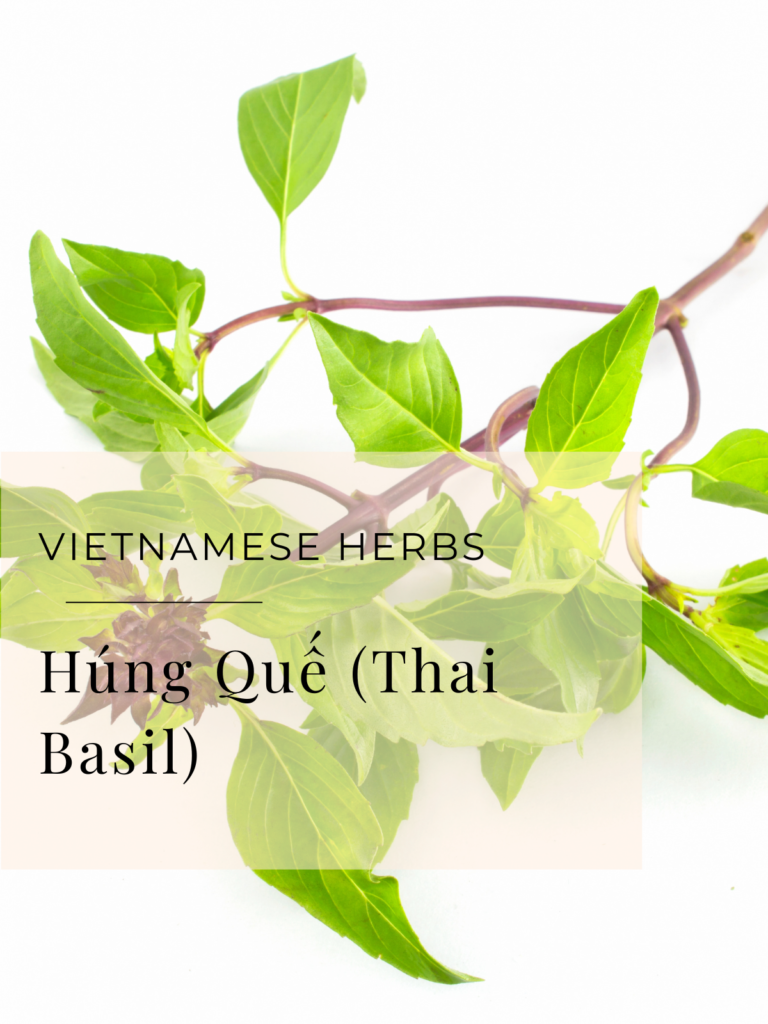
- Herbs: cilantro, scallions, and optional Thai basil
- Acid: a squeeze of lime
- Heat: sliced jalapeño or chili
- Crunch: bean sprouts
Hoisin and sriracha are optional — use lightly so they don’t overwhelm the broth.
Tips for the Best Pressure-Cooker Beef Pho Broth
- Don’t skip the blanching step — it keeps the broth clear.
- Natural release is essential; quick release can cloud the broth.
- Season lightly in the pot; finish in the bowl.
- Freeze extra broth for fast weeknight phở.
Related Recipes:
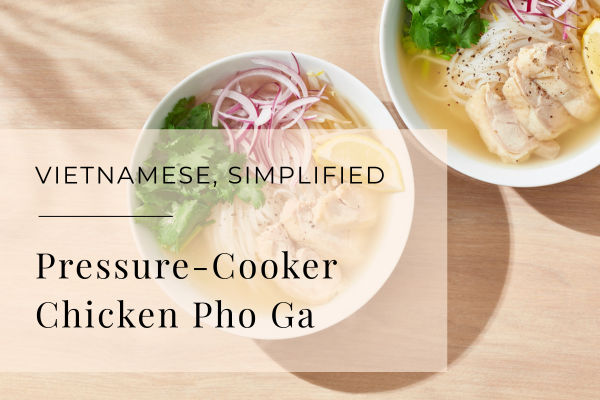
- Weeknight Chicken Pho Pressure Cooker Broth (Pho Ga)
- Lemongrass Beef Pho Hot Pot
- Browse More Vietnamese Soups & Hot Pot
Storage & Make-Ahead
- Noodles: Cook fresh for best texture. If cooking noodles in advance is a must, add a dash of a neutral oil to keep them from sticking together.
- Toppings: Prep herbs and onions the day of.
Pho broth freezes beautifully — portion it for quick weeknight meals or as a nutritious lunchtime sipping broth.
More Featured Tips for the Perfect Pho Bowl
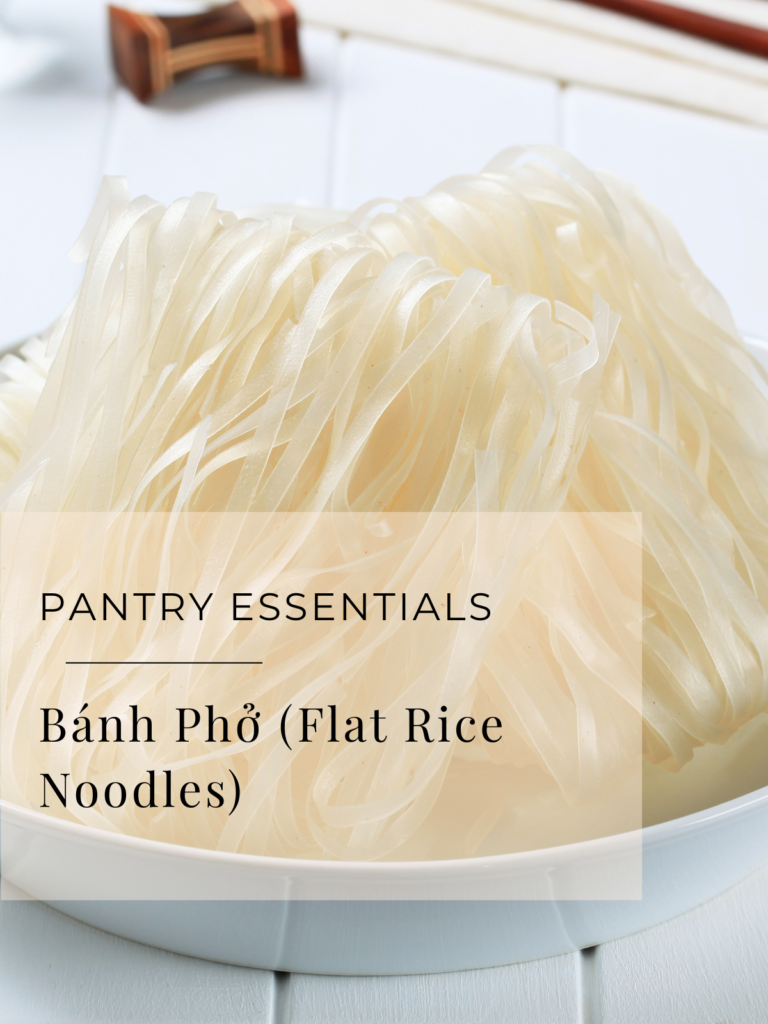

Featured Vietnamese Recipes, Simplified
Check out our latest recipes for Vietnamese Classics Simplified:

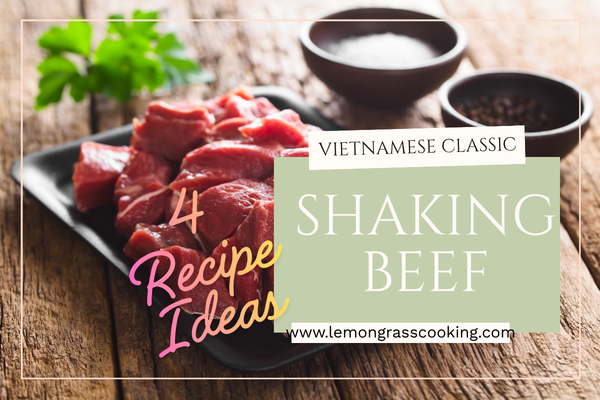
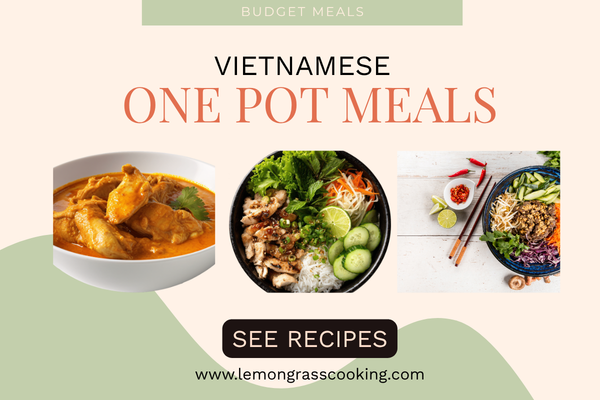
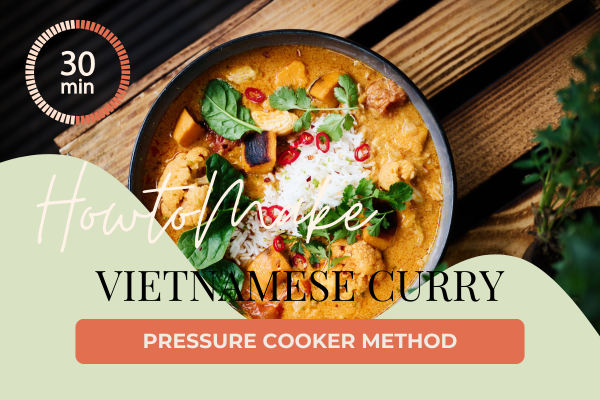
The Latest in Pantry Tips & Guides
-
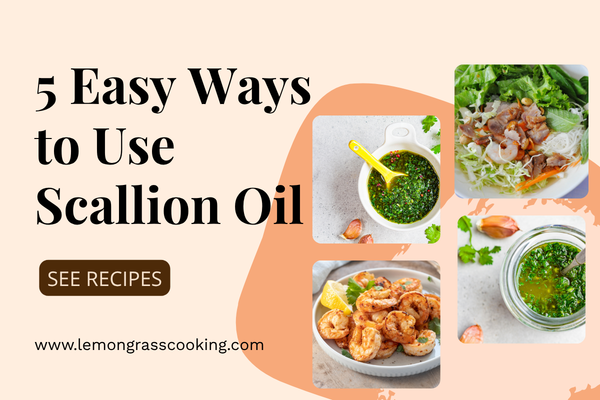
5 Bright and Easy Ways to Use Scallion Oil
5 Bright and Easy Ways to Use Scallion Oil – Scallion oil has always been one of Vietnamese cooking’s simplest magic tricks—an everyday way to make humble dishes taste cared…
-

Vietnamese Chili Crisp Chicken Cutlets with Pickled Herb Salad
Healthy Vietnamese Chili Crisp Chicken Cutlets with Pickled Herb Salad under 30-minutes. This Vietnamese salad bowl layers crispy chili crisp chicken cutlets over a bright, pickled herb salad. The cutlets…
-
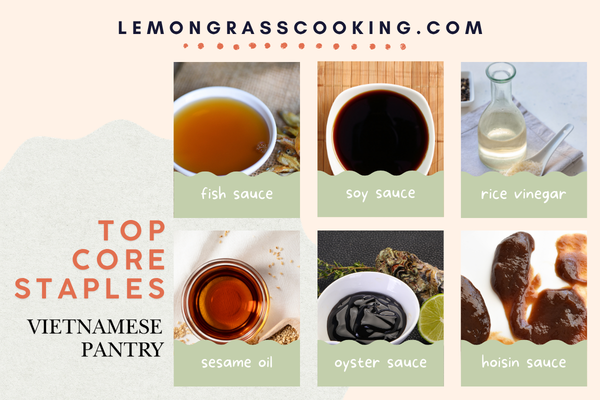
Top Vietnamese Cooking Pantry Tips
Top Vietnamese Cooking Pantry Tips – A well‑stocked Vietnamese pantry makes everyday cooking faster, easier, and far more flavorful. Vietnamese dishes rely on balance — salty, sweet, sour, spicy, and…
-
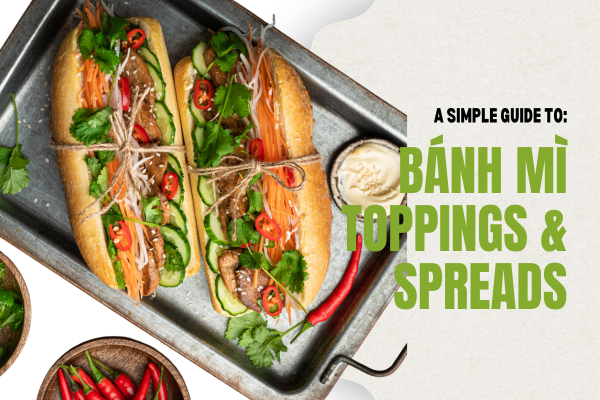
The Essential Guide to Banh Mi Toppings & Spreads
The Essential Guide to Banh Mi Toppings & Spreads A modern, editorial breakdown of every component that builds a balanced, Vietnamese bánh mì. Bánh mì is one of Vietnam’s most…
-
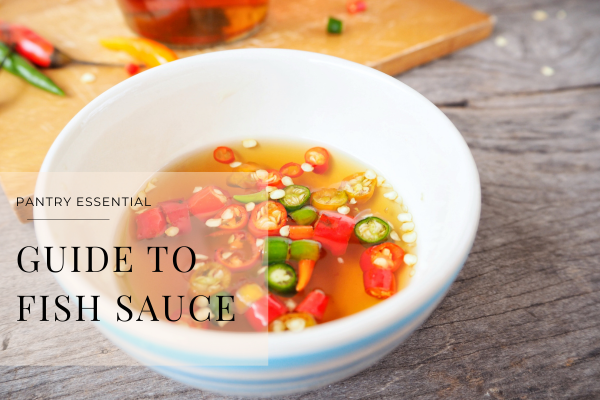
5 Easy Ways to Use Fish Sauce
5 Easy Ways to Use Fish Sauce Fish sauce is one of the most versatile ingredients in the Vietnamese pantry. A few drops add savory depth, balance acidity, and bring…