A modern guide to the staples that shape Vietnamese cooking: Vietnamese Noodles & Rice
Vietnamese cooking is built on simple foundations — rice, noodles, and the everyday ingredients that turn them into bowls, soups, and street‑side comfort. This guide walks you through the essentials: what they are, how to use them, and which recipes to start with. Think of it as your orientation to the backbone of Vietnamese home cooking. Thanks for exploring Vietnamese Noodles & Rice!
In This Guide: Vietnamese Noodles & Rice
Rice Used in Vietnamese Cooking
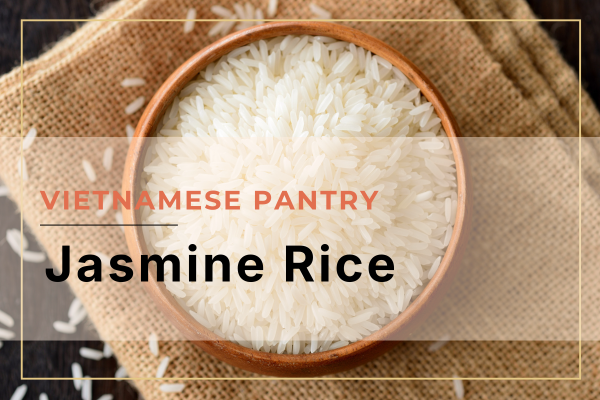
Jasmine Rice
This is the baseline to your Vietnamese Pantry — fluffy, fragrant, and the foundation of most home cooking.
What it is: Long‑grain, aromatic everyday rice
Texture: Light, bouncy chew
Use it for: Daily meals, rice plates, bowls
Cooking Tips: Vietnamese Bowls
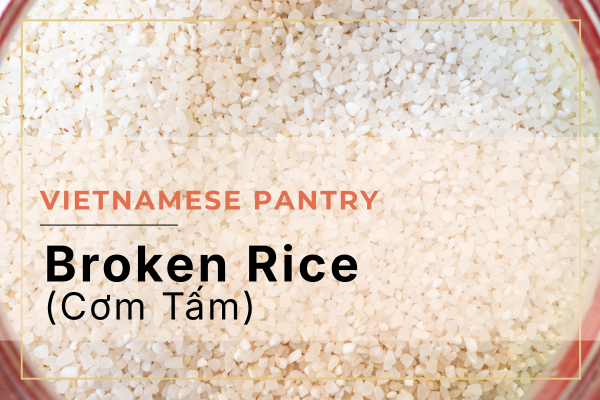
Broken Rice (Cơm Tấm)
Cơm tấm has texture — rustic, satisfying, and iconic. It’s the rice of street‑side grills and smoky pork chops.
What it is: Short, fractured grains
Texture: Bouncy, more granular chew
Use it for: Cơm tấm plates, grilled meats, egg meatloaf
Cooking Tips: Vietnamese Bowls
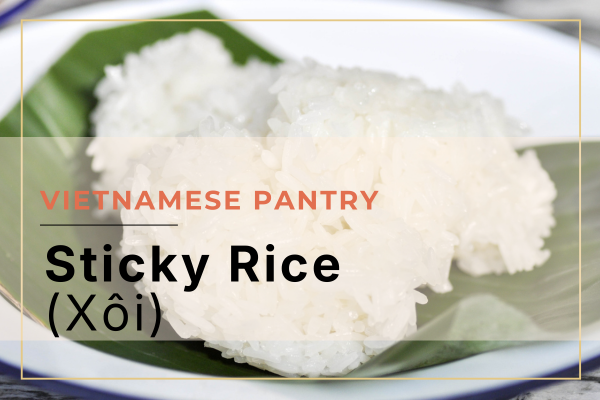
Sticky Rice (Xôi)
Sticky rice is celebration food — warm, fragrant, and deeply nostalgic.
What it is: Round, dense grains
Texture: Glutinous, chewy rice
Use it for: Sweet xôi, savory xôi mặn, snacks
Cooking Tips: Chè Vietnamese Desserts & Drinks
Vietnamese Rice Noodles
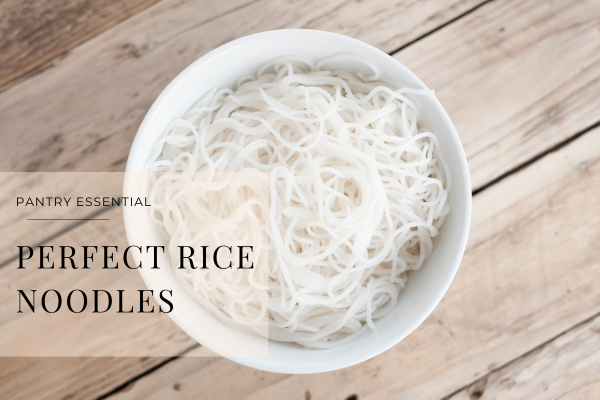
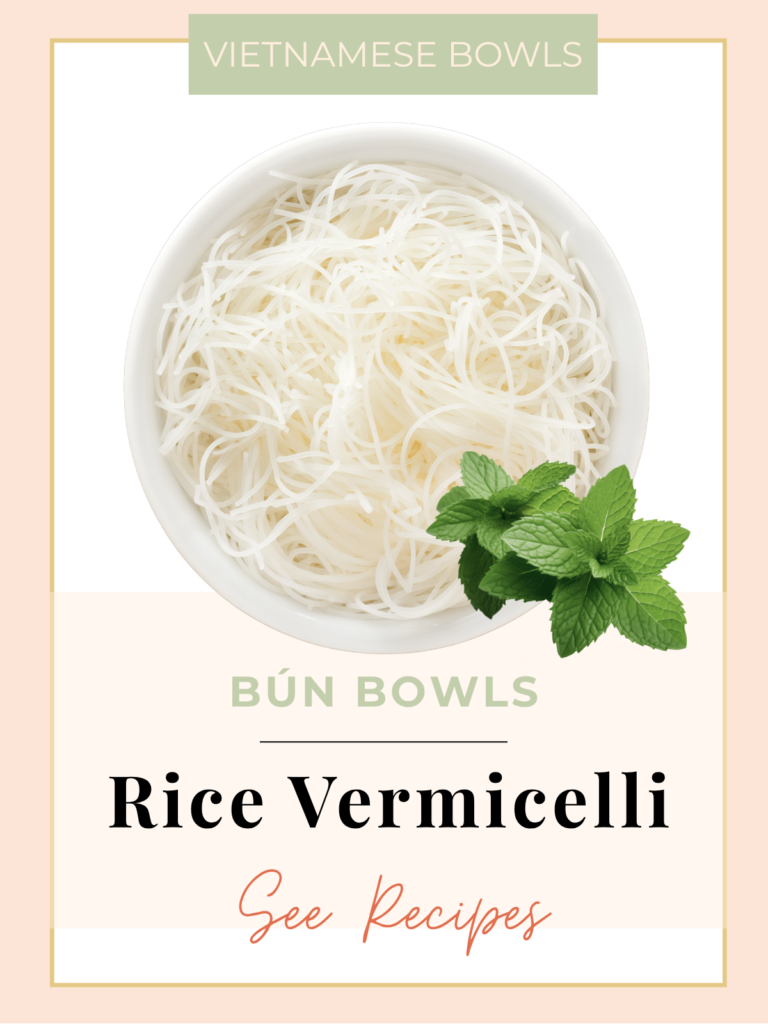
Bún (Rice Vermicelli)
Bún is the noodle that makes Vietnamese food feel fresh. It carries herbs, crunch, and bright sauces beautifully — the foundation of so many iconic bowls.
What it is: Thin, round rice noodles
Texture: Light, springy, quick‑cooking
Use it for: Fresh bowls, grilled meats, nước chấm‑forward dishes
Cooking Tips: How to Cook Perfect Rice Vermicelli Noodles
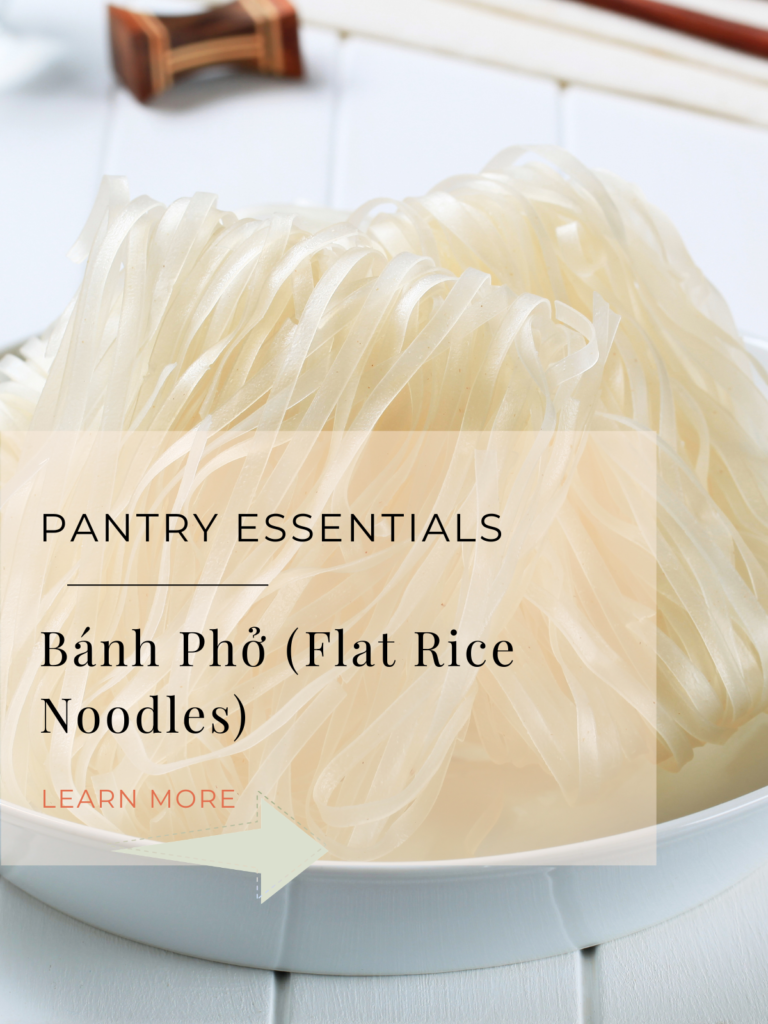
Bánh Phở (Flat Rice Noodles)
Bánh phở is the noodle with presence. It stands up to heat, broth, and bold flavors — the noodle that defines phở and anchors stir‑fries.
What it is: Flat, medium‑wide rice ribbons
Texture: Chewy, silky, substantial
Use it for: Phở, stir‑fries, saucy noodle bowls
Cooking Tips: Vietnamese Pho at Home: A Simple Guide to Quick Beef & Chicken Pho
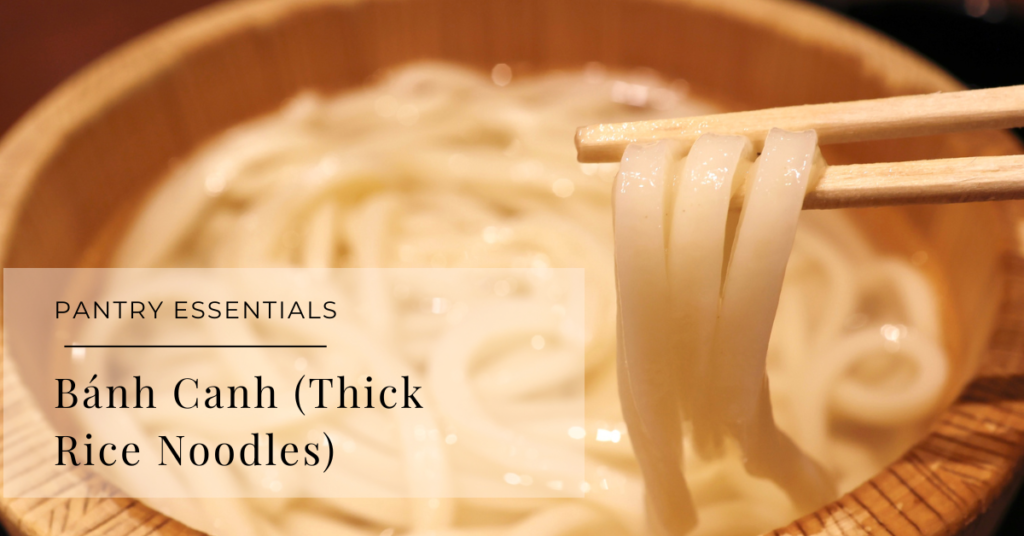
Bánh Canh (Thick Rice/Tapioca Noodles)
Bánh canh is comfort food. The tapioca blend gives it that signature bounce — the kind of noodle that turns a simple broth into a full meal.
What it is: Thick, round, udon‑like noodles
Texture: Soft, bouncy, slightly elastic
Use it for: Hearty soups, bánh canh cua, comfort dishes
Cooking Tips: The Three Vietnamese Rice Noodles You Should Know
How to Choose the Right Noodle or Rice
The quick, intuitive way Vietnamese cooks decide
Choosing noodles or rice is really about texture, mood, and the kind of dish you want to land. Here’s the streamlined logic.
For something fresh and bright → Bún
Light, springy, and built for herbs and nước chấm. This is the noodle for bowls that feel crisp and refreshing.
Use when the dish should feel: fresh, crunchy, green.
For something silky and substantial → Bánh Phở
Chewy, silky ribbons that hold onto broth and sauce. The noodle that makes a bowl feel complete.
Use when the dish should feel: cozy, saucy, full.
For something warm and comforting → Bánh Canh
Thick, bouncy, tapioca‑blended noodles that turn broth into comfort food.
Use when the dish should feel: hearty, slurpable, rainy‑day.
For a clean, everyday base → Jasmine Rice
Fluffy, aromatic, and neutral — the rice that pairs with everything.
Use when the dish should feel: classic, balanced, homey.
For texture and character → Broken Rice (Cơm Tấm)
Short, fractured grains that soak up sauce and love grilled meats.
Use when the dish should feel: smoky, street‑side, rustic.
For something chewy and celebratory → Sticky Rice (Xôi)
Dense, glutinous, and perfect for sweet or savory snacks.
Use when the dish should feel: festive, nostalgic, coconut‑forward.
Vietnamese Noodles & Rice: The ultra‑quick rule
- Fresh bowl → Bún
- Brothy or saucy → Bánh Phở
- Comfort soup → Bánh Canh
- Everyday plate → Jasmine
- Grilled pork plate → Broken Rice
- Sweet or savory snack → Sticky Rice
FAQ: Vietnamese Noodles & Rice
What’s the difference between bún and bánh phở?
Bún are thin, round rice vermicelli used for fresh bowls and nước chấm‑forward dishes. Bánh phở are flat, chewy rice ribbons used for phở and stir‑fries. If you want something light → choose bún. If you want something silky and substantial → choose bánh phở.
Can I substitute one Vietnamese noodle for another?
Yes — with texture in mind.
- Swap bún → bánh phở if you want more chew.
- Swap bánh phở → bún if you want something lighter.
- Bánh canh is harder to substitute because of its tapioca bounce, but udon is the closest Western option.
How do I keep rice noodles from sticking together?
Rinse them under cold water immediately after cooking, then toss with a tiny splash of neutral oil. For bowls, you can rinse again right before serving to loosen them.
What type of rice is best for Vietnamese cooking?
Vietnamese jasmine rice is the everyday staple — fluffy, aromatic, and perfect for rice plates. Broken rice (cơm tấm) is best for grilled pork dishes. Sticky rice (xôi) is used for sweet and savory snacks.
Is broken rice the same as jasmine rice?
Yes — it’s jasmine rice that fractured during milling. The texture is shorter, heartier, and perfect for smoky grilled meats and nước mỡ hành (scallion oil).
Why do my rice noodles turn mushy?
They were either overcooked or left sitting in hot water too long. Vietnamese rice noodles cook fast — usually 3–5 minutes. Always rinse immediately to stop the cooking.
Do I need to soak rice noodles before cooking?
Most dried rice noodles do not require soaking. Just boil briefly and rinse. Exception: some extra‑thin vermicelli benefit from a quick soak to soften before cooking.
What’s the best noodle for Vietnamese noodle bowls?
Bún (rice vermicelli). It’s light, springy, and built for herbs, crunchy vegetables, and nước chấm.
What’s the best noodle for phở?
Bánh phở — flat, silky rice noodles that hold up in hot broth without falling apart.
What’s the best rice for cơm tấm?
Broken rice. Its short, fractured grains soak up sauce and pair perfectly with grilled pork chops and pickled vegetables.
Can I use regular long‑grain rice instead of jasmine rice?
You can, but the flavor and aroma will be milder. Jasmine rice gives Vietnamese dishes their signature fragrance.
Is sticky rice the same as sushi rice?
No. Sticky rice (glutinous rice) cooks into a dense, chewy texture used for xôi. Sushi rice is short‑grain but not glutinous — it stays soft, not sticky‑chewy.
How do I reheat rice noodles without drying them out?
Rinse briefly under warm water to loosen, then drain well. For bowls, you can microwave with a damp paper towel for 20–30 seconds.
How do I store leftover cooked rice?
Cool it quickly, store airtight, and refrigerate for up to 3 days. Reheat with a splash of water to restore moisture.
Are Vietnamese noodles gluten‑free?
Most rice noodles (bún, bánh phở, bánh canh made with rice/tapioca) are naturally gluten‑free. Always check labels — some brands add wheat for texture.
Shop Vietnamese Noodles & Rice
A few minimal Vietnamese essentials to keep on hand for fast, flavorful cooking.
- Tested & Recommended: Rice Vermicelli Noodles (Bun)
- Tested & Recommended: Three Ladies Brand Bánh Phở
- Pantry Basic: Premium Jasmine Rice
- For Rice Texture: Three Ladies Brand Broken Rice
- Top Choice: Red Boat Fish Sauce
- Premium Options: Soy Sauce
- Simple Ingredients: Rice Vinegar
- Umami Flavor Boost: Oyster Sauce & Mushroom Seasoning
- Creamy Thickener: Coconut Milk
- Perfect Finishing Sauce: Maggi Seasoning
This post may contain affiliate links. As an Amazon Associate, we earn from qualifying purchases. These small commissions help support the development of new recipes, pantry guides, and cooking resources on Lemongrass Cooking.
Build Your Vietnamese Pantry
Top Herbs & Aromatics for Vietnamese Cooking
Explore Pantry Tips:
More Ways to Explore: Vietnamese Bowls
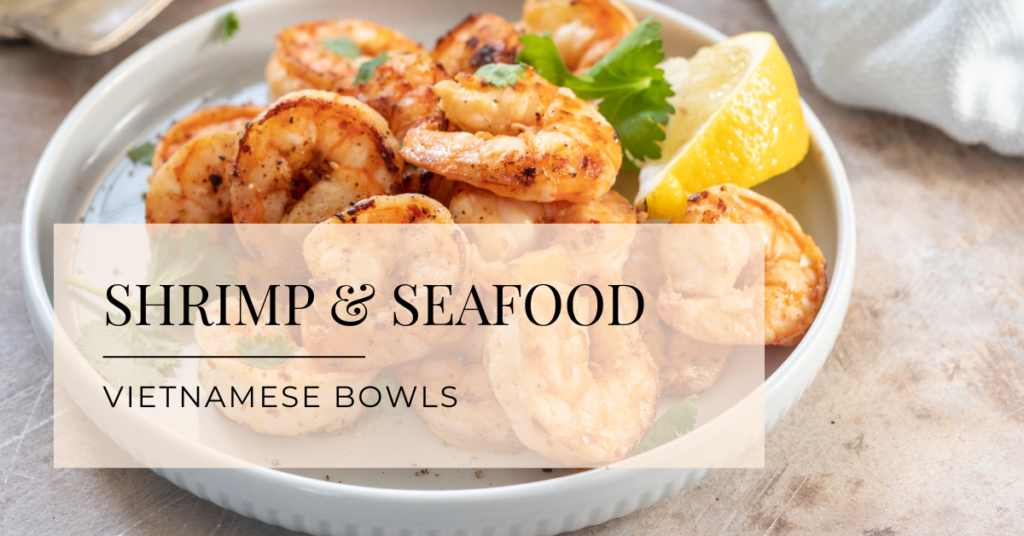
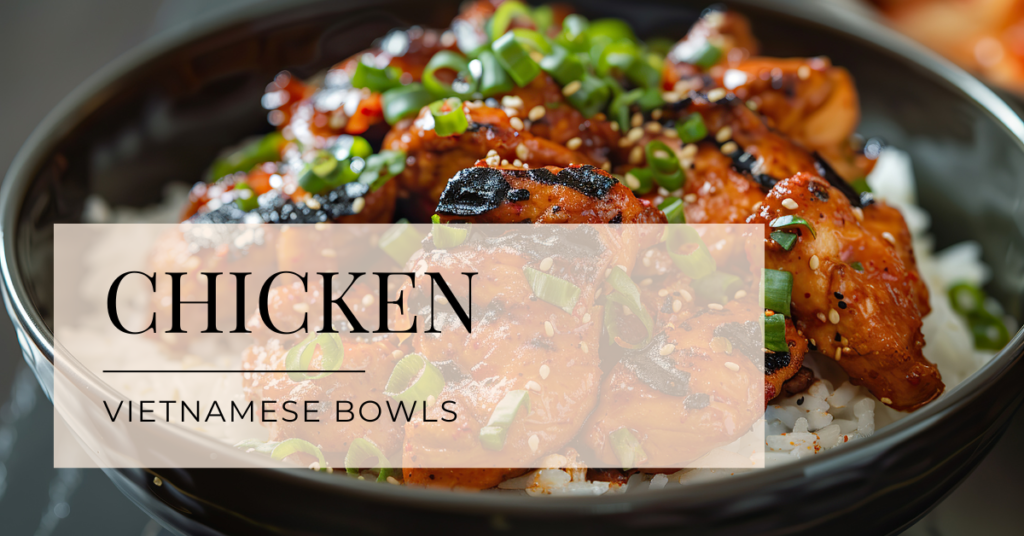
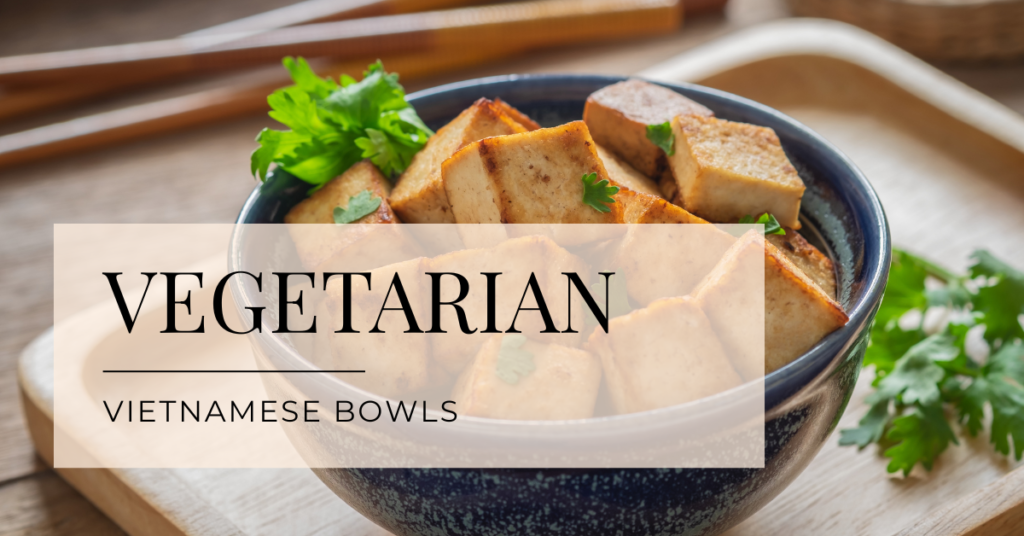
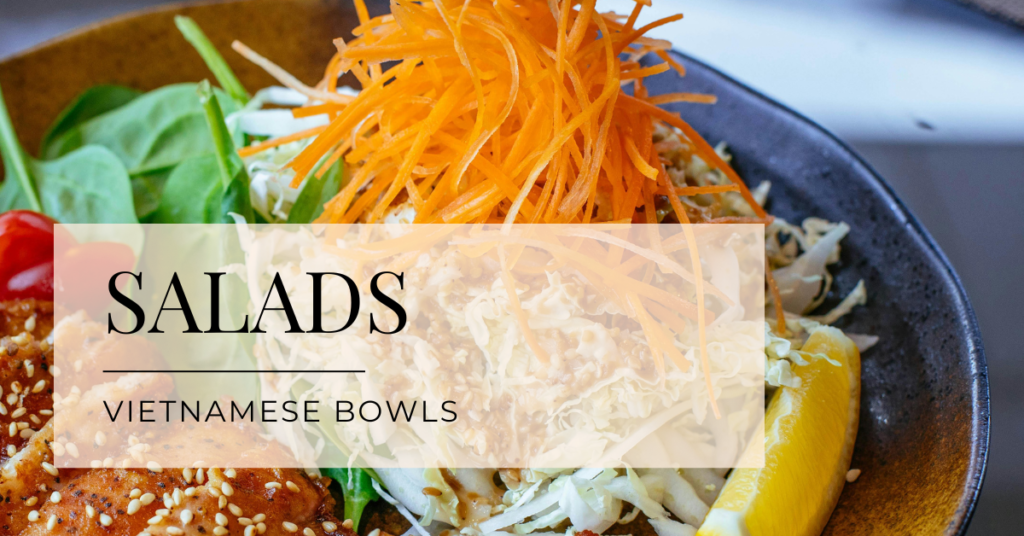
Browse Vietnamese Bowls by Format