Glutinous Rice Flour Guide (Bột Nếp): What it is, How to Use it, and Why it’s Essential in Vietnamese desserts.
Glutinous rice flour is one of the most important ingredients in Vietnamese cooking. It creates the signature chewy, bouncy texture found in rice balls, mochi‑style desserts, and many traditional sweets. This guide breaks down exactly what it is, how it behaves, and how to use it confidently in your kitchen.
In This Pantry Ingredient Guide: Glutinous Rice Flour
What is Glutinous Rice Flour?
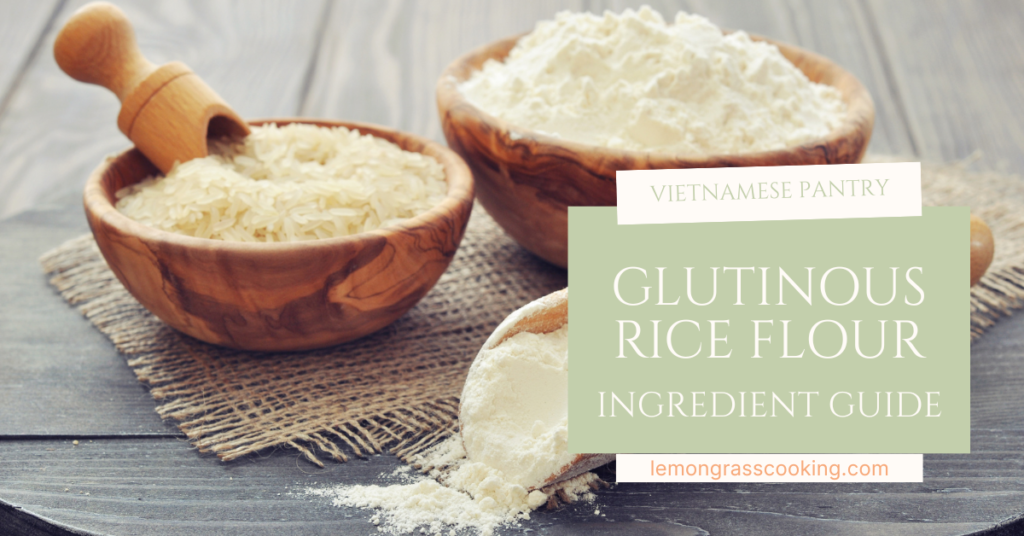
Glutinous rice flour (bột nếp) is a fine, white flour made from short‑grain sticky rice. Despite the name, it contains no gluten. “Glutinous” refers to the sticky, chewy texture it creates when cooked.
It’s the base of many Vietnamese desserts, including rice balls, bánh trôi, bánh ít, and modern mochi‑style treats.
This guide breaks down exactly what it is, how it behaves, and how to use it confidently in your kitchen.
Glutinous Rice Flour vs. Rice Flour
These two flours are not interchangeable.
Glutinous rice flour
- Chewy, sticky, elastic texture
- Ideal for rice balls, mochi, dumplings, and chewy cakes
Regular rice flour
- Light, crisp, non‑sticky texture
- Ideal for batters, noodles, and crispy cakes
If a recipe calls for glutinous rice flour, substituting rice flour will not work — the texture will be completely different.
How Glutinous Rice Flour Behaves in Dough
- Absorbs warm water quickly
- Forms a smooth, pliable dough
- Stays soft and chewy after cooking
- Can become dry or crack if under‑hydrated
- Can become mushy if over‑hydrated
The sweet spot is a dough that feels soft, slightly tacky, and easy to roll.
How to Use Glutinous Rice Flour
Glutinous rice flour is incredibly versatile. It can be used to make:
- Vietnamese rice balls (chè trôi nước variations)
- Mochi‑style desserts
- Chewy dumplings
- Sticky rice cakes
- Thickening agent for sweet soups
Its neutral flavor makes it a perfect canvas for fruit, coconut, pandan, ginger, and citrus.
Where to Buy It
Glutinous rice flour is widely available and easy to find once you know where to look. Most Vietnamese and Asian grocery stores carry multiple brands, usually in the baking or flour aisle. Erawan (green label), Three Ladies Brand, and Koda Farms Mochiko are the most consistent options and produce a smooth, reliable dough.
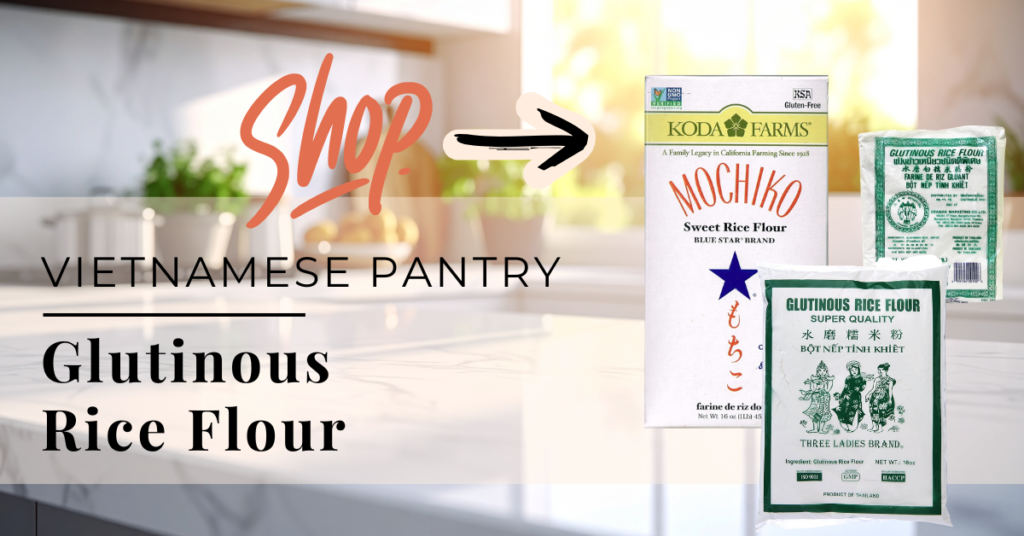
Many mainstream grocery stores now stock it as well, especially in areas with strong Asian food sections. If you don’t see it in the baking aisle, check the international foods section. Online retailers also carry all major brands, making it simple to keep a bag on hand for rice balls, mochi‑style desserts, and other chewy Vietnamese sweets.
If you’re choosing between brands, look for flours that are finely milled and bright white in color. These produce the softest, most even texture in doughs and syrups.
How to Store Glutinous Rice Flour
- Keep in an airtight container
- Store in a cool, dry pantry
- Use within 1 year for best texture
- Refrigerate or freeze if living in a humid climate
The flour stays fresh longer when protected from moisture.
Common Mistakes with Rice Flour and How to Fix
Dough cracking The dough is too dry. Add warm water 1 teaspoon at a time.
Dough too soft or sticky Add a small spoon of glutinous rice flour until it firms up.
Rice balls falling apart in syrup The dough was over‑hydrated or under‑kneaded.
Rice balls too dense Add a touch more warm water to soften the dough.
FAQ: Glutinous Rice Flour Guide
Is glutinous rice flour the same as sweet rice flour? Yes. They are the same ingredient. “Sweet” refers to the sticky texture, not the flavor.
Does glutinous rice flour contain gluten? No. It is naturally gluten‑free. The “glutinous” name refers to its sticky, chewy texture when cooked.
Can I substitute regular rice flour? No. Regular rice flour will not create chew. It cooks up light and crumbly, not sticky.
Can I substitute tapioca starch? Not directly. Tapioca adds stretch and elasticity, but not the soft chew of glutinous rice flour. It works only as a partial blend.
Why is my dough cracking? It’s too dry. Add warm water in tiny amounts until the dough becomes smooth and pliable.
Why is my dough too soft or sticky? It’s over‑hydrated. Add a spoon of glutinous rice flour and knead until it firms up.
Why do my rice balls fall apart in syrup? The dough was either too wet or not kneaded enough. A smooth, cohesive dough holds its shape.
Can I freeze dough made with glutinous rice flour? Yes. Shape the dough into balls, freeze on a tray, then store in a bag. Cook from frozen.
Can I freeze cooked rice balls? Not recommended. The texture becomes grainy after thawing. Freeze uncooked instead.
Can I use cold water to make the dough? Warm water hydrates the flour more evenly and prevents cracking. Cold water makes the dough stiff.
Why do my rice balls taste dense? The dough was under‑hydrated or over‑kneaded. Add a touch more warm water next time.
Can I color the dough naturally? Yes. Pandan juice, matcha, beet powder, purple sweet potato, and freeze‑dried fruit powders all work well.
Can I use coconut milk instead of water in the dough? Use water for the dough and coconut milk in the syrup. Coconut milk in the dough can make it greasy and heavy.
How long does glutinous rice flour last? Up to 1 year in a cool, dry pantry. Refrigerate or freeze if living in a humid climate.
Does brand matter? Yes. Erawan (green label), Koda Farms Mochiko, and Three Ladies Brand produce the most consistent texture.
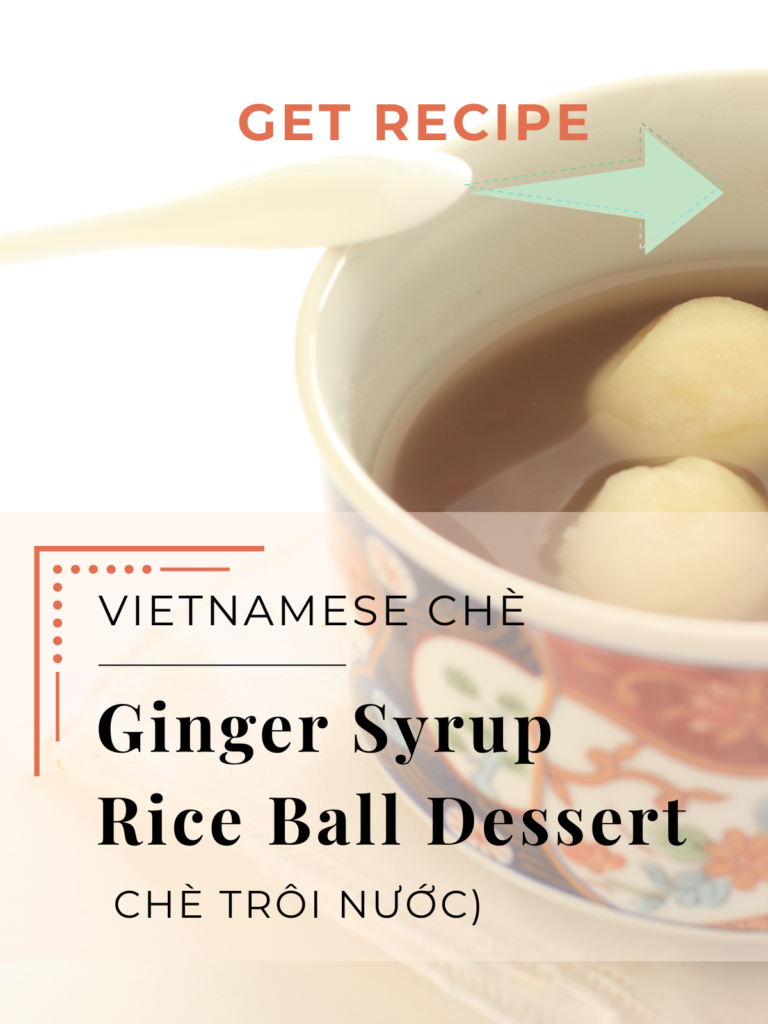
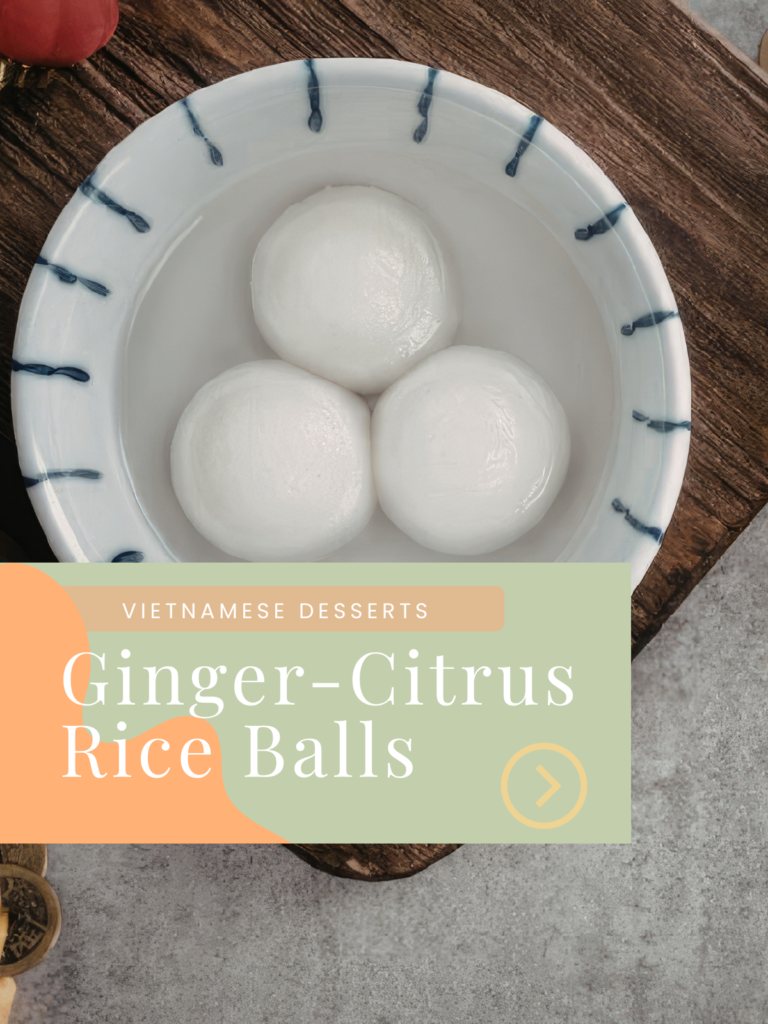
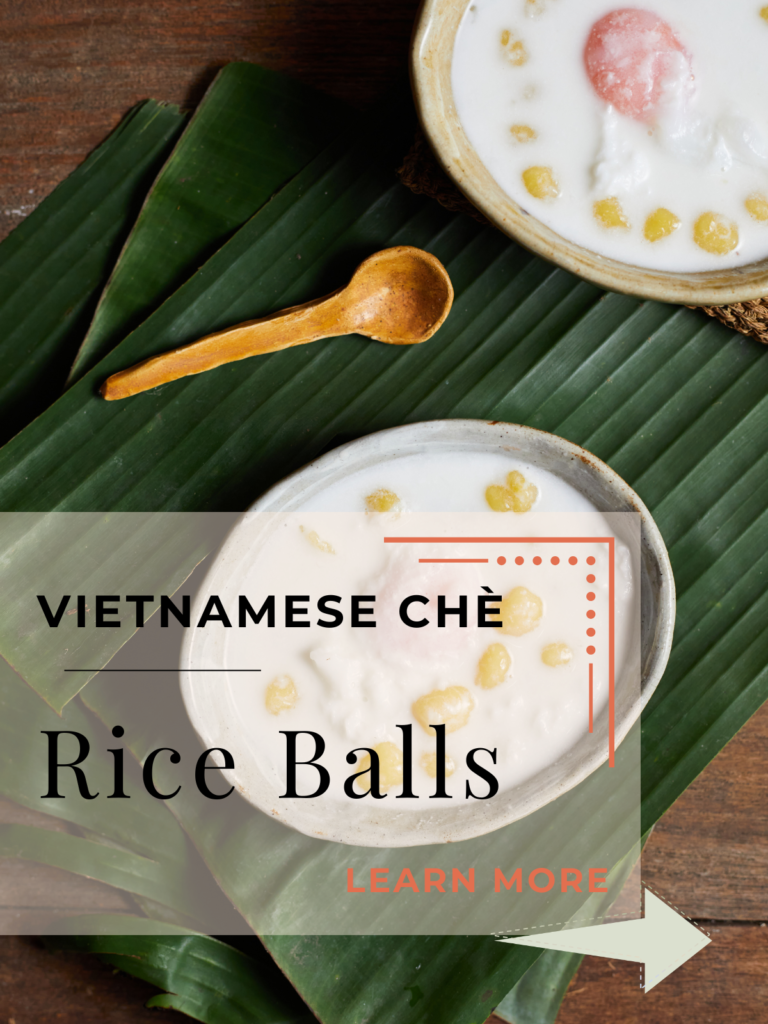
Featured Recipes Using Glutinous Rice Flour
Browse More Vietnamese Recipes, Simplified
-
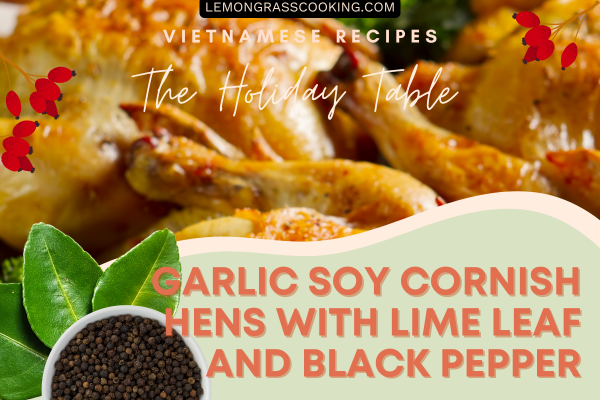
Garlic Soy Cornish Hens with Lime Leaf and Black Pepper
Garlic Soy Cornish Hens with Lime Leaf and Black Pepper – The Cornish Hen Recipe That Always Impresses Guests! Garlic Soy Cornish Hens with Lime Leaf and Black Pepper Garlic Soy Cornish Hens with Lime…
-
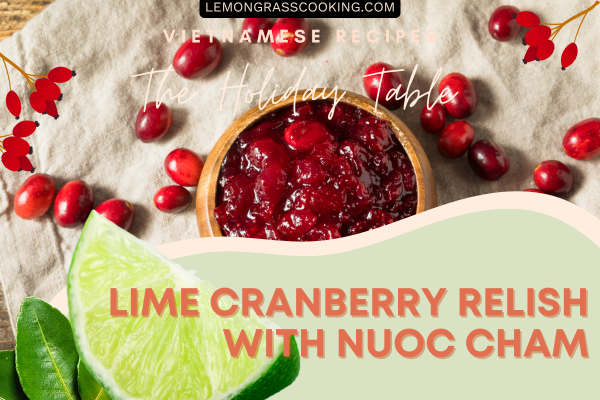
Lime Cranberry Relish with Nuoc Cham
Tart Cranberry Meets Lime in This Vietnamese-Style Relish: Lime Cranberry Relish with Nuoc Cham A fresh spin on a classic Vietnamese dipping sauce, this cranberry–lime nuoc cham relish brings sharp citrus, sweet heat, and a…
-
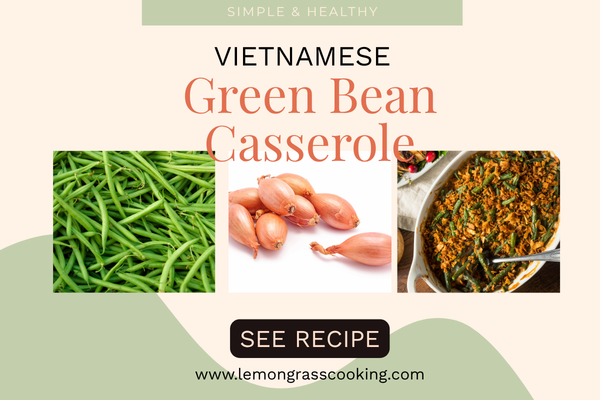
How to Make Vietnamese Green Bean Casserole
How to Make Vietnamese Green Bean Casserole. This Vietnamese-inspired green bean casserole brings together the comfort of a classic holiday dish with the aromatics and savory backbone of Vietnamese cooking. Coconut cream adds richness without…
-
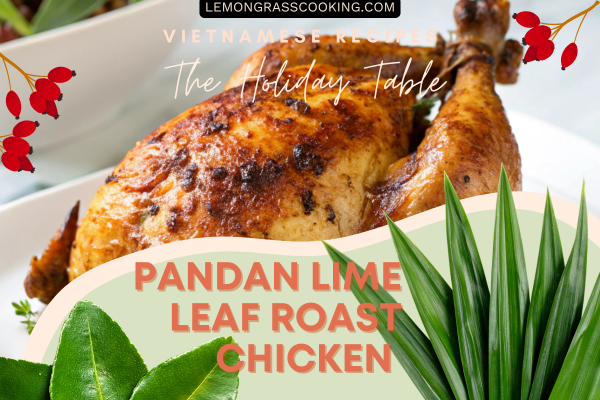
Pandan Lime Leaf Roast Chicken with Coconut Drippings Rice
Pandan Lime Leaf Roast Chicken with Coconut Drippings Rice brings together bright Southeast Asian aromatics and cozy roast‑chicken comfort. Pandan and lime leaf perfume the chicken as it cooks, coconut milk keeps everything tender, and…
-
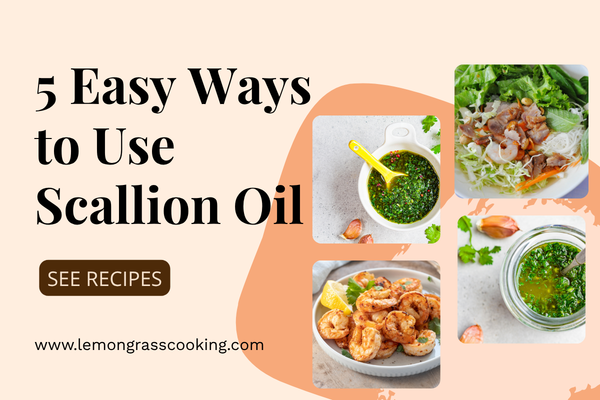
5 Bright and Easy Ways to Use Scallion Oil
5 Bright and Easy Ways to Use Scallion Oil – Scallion oil has always been one of Vietnamese cooking’s simplest magic tricks—an everyday way to make humble dishes taste cared for. You see it brushed…
-

Brown Butter Jasmine Rice with Fresh Scallion Oil
Your next simple holiday side! Brown Butter Jasmine Rice with Fresh Scallion Oil brings cozy fall warmth to the holiday table. The nutty brown butter adds deep, comforting richness, while scallion oil keeps everything bright…
-

Fresh and Crunchy Fall Apple Shrimp Rolls
Fresh and Crunchy Fall Apple Shrimp Rolls (Gỏi Cuốn) deliver crisp apple sweetness, bright herbs, and tender shrimp wrapped in a refreshing Vietnamese‑inspired fresh roll perfect for fall. A Tart Update to Your Spring Rolls…
-

Charred Brussels Sprouts with Tamarind Honey Glaze
Charred Brussels Sprouts with Tamarind Honey Glaze brings a fresh, modern lift to classic holiday vegetables. The deep char delivers familiar comfort, while the tamarind honey glaze adds Vietnamese‑inspired brightness that keeps the table feeling…
-

Vietnamese Cranberry and Ginger Pickles
Vietnamese Cranberry and Ginger Pickles take a familiar fall flavor and flip it into something bright, quick, and unexpected. Instead of the usual sweet sauces or baked dishes, this version leans into Vietnamese-style acidity —…
-

Simple Charred Peanut Lime Tofu Steakhouse Salad
Simple Charred Peanut Lime Tofu Steakhouse Salad will be a go-to for plant-based protein meal that delivers a bright twist! This salad brings together charred tofu, a bright peanut lime sauce, and a crisp steakhouse-style…
-

Vietnamese Chili Crisp Chicken Cutlets with Pickled Herb Salad
Healthy Vietnamese Chili Crisp Chicken Cutlets with Pickled Herb Salad under 30-minutes. This Vietnamese salad bowl layers crispy chili crisp chicken cutlets over a bright, pickled herb salad. The cutlets bring heat and crunch, while…
-

Easy and Quick Vietnamese Pantry Marinades
For busy weeks when dinner needs to be fast and flavorful, Easy and Quick Vietnamese Pantry Marinades offer a simple solution built from everyday ingredients. Why These Vietnamese Marinades Work Busy weeks make it hard…
-

Vietnamese BBQ Pork Meatball Banh Mi
Vietnamese BBQ Pork Meatball Bánh Mì delivers tender xíu mại-style meatballs, a light tomato glaze, and crisp Vietnamese pickles inside a warm, airy baguette. What Makes This Bánh Mì Special This Vietnamese BBQ Pork Meatball…
-
Shaking Beef Four Ways: Modern Takes on a Vietnamese Classic
Shaking Beef Four Ways: Modern Takes on a Vietnamese Classic. New Takes on Shaking Beef: Tacos, Salad, Bowls, and More These four Shaking Beef variations keep the dish’s iconic flavor while making it flexible for…
-
Easy Vietnamese Chicken Marinade
Easy Vietnamese Chicken Marinade – A bright, savory Vietnamese chicken marinade built for busy weeknights. This easy mix uses pantry staples like fish sauce, lime, garlic, and a touch of sweetness to create tender, flavorful…