This Peanut‑Tamarind Chicken Breast Bowl (Vietnamese Sweet–Sour & Peanut) is the perfect balance of flavor and texture to satisfy appetites.
Vietnamese Sweet–Sour & Peanut • Bright, Glossy, Herb‑Forward
This bowl is built on the kind of sweet–sour balance that defines southern Vietnamese cooking—tamarind for brightness, fish sauce for depth, a touch of sugar for roundness, and roasted peanuts for texture and warmth. It’s fast, pantry‑driven, and fits perfectly into your modern Vietnamese bowl collection.
The chicken breast gets coated in a glossy tamarind paste–peanut glaze that’s punchy but clean, never sticky or heavy. Layer it over crisp vegetables, herbs, and rice or vermicelli, and you get a bowl that feels both comforting and fresh.
In This Peanut‑Tamarind Chicken Breast Bowl (Vietnamese Sweet–Sour & Peanut) Recipe Guide:
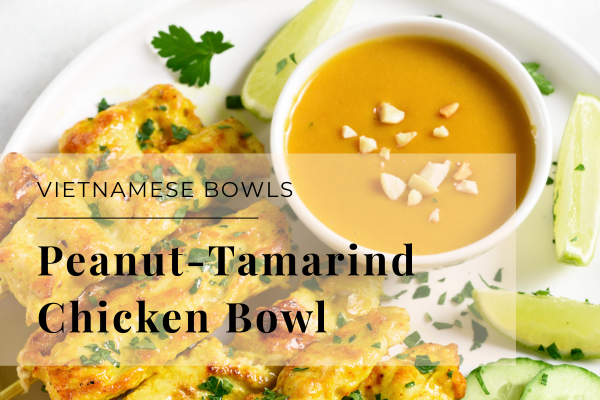
Peanut‑Tamarind Chicken Breast Bowl (Vietnamese Sweet–Sour & Peanut)
Equipment
- Mixing bowl
- Large skillet
- Small saucepan
- Serving bowls
Ingredients
- 1 1/2 pounds chicken breast thinly sliced
- 1 tablespoon neutral oil
- 1/2 teaspoon salt
- 1/2 teaspoon black pepper
Sauce Ingredients
- 1/4 cup creamy peanut butter
- 1 tablespoon tamarind concentrate
- 1 tablespoon soy sauce or fish sauce
- 1 tablespoon lime juice
- 1 tablespoon honey or sugar
- 1 clove garlic minced
- 1/4 teaspoon chili flakes optional
- 3 to 5 tablespoons warm water to thin
Bowl Ingredients
- 2 cups cooked jasmine rice
- 1 cup shredded lettuce or cabbage
- 1 cup sliced cucumbers
- 1/2 cup shredded carrots
- 1/4 cup chopped herbs cilantro mint or basil
- Optional crushed peanuts for topping
Instructions
- Season chicken with salt black pepper and neutral oil.
- Cook chicken in a skillet or grill pan over medium heat until lightly browned and cooked through.
- In a small saucepan whisk together peanut butter tamarind soy sauce lime juice honey garlic chili flakes and warm water until smooth and creamy.
- Simmer the sauce briefly to meld flavors then adjust thickness with more water if needed.
- Assemble bowls with rice lettuce cucumbers carrots and herbs.
- Slice the cooked chicken and place on top.
- Spoon the peanut tamarind sauce over the bowl before serving.
Notes
Warm water helps the sauce emulsify into a smooth pourable consistency.
This bowl works well with grilled chicken tofu shrimp or roasted vegetables.
Add extra lime or herbs to keep the bowl fresh and clean.
Leftover sauce keeps refrigerated for up to five days.
How Peanuts Are Used in Vietnamese Cooking
Peanuts show up everywhere in Vietnamese cuisine, but not in the way Western or Thai frameworks expect. They’re rarely the base of a sauce. Instead, they’re used to add texture, aroma, and warmth to dishes that are otherwise bright, herbaceous, and acidic.
The Vietnamese Peanut Logic
- A finishing texture: crushed roasted peanuts sprinkled over bún bowls, gỏi salads, and grilled meats
- A contrast element: balancing sour, spicy, and herbal notes
- A grounding flavor: adding warmth without heaviness
- A garnish, not a sauce base: Vietnamese peanut sauces are thinner, lime‑forward, and fish‑sauce balanced—not coconut‑heavy or sweet like Thai peanut sauces
This bowl uses peanuts in a way that feels distinctly Vietnamese:
- crushed roasted peanuts for texture
- a light peanut‑tamarind glaze that stays bright and acidic
- herbs and raw vegetables to keep the bowl crisp and fresh
A Quick Intro to Tamarind
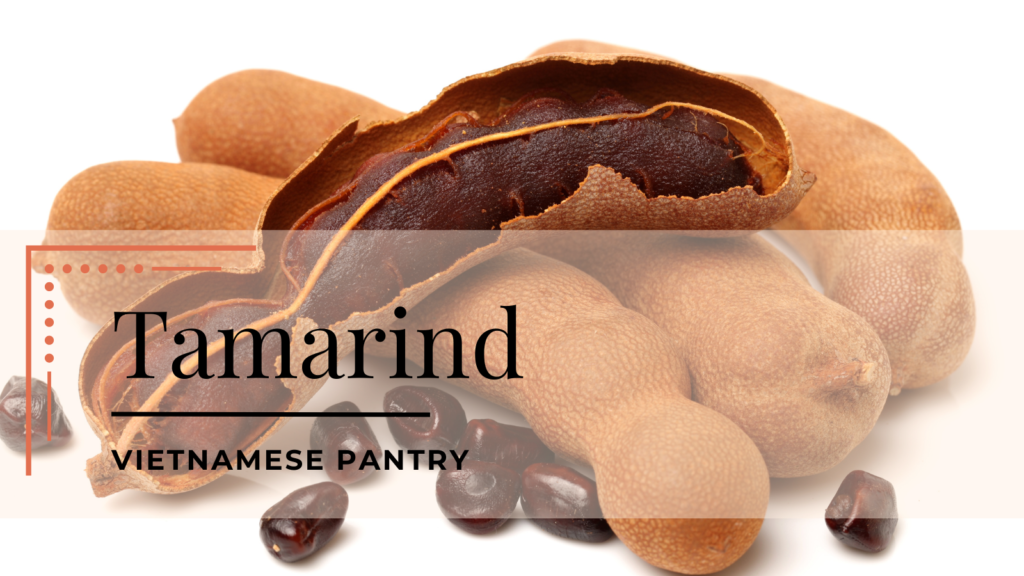
Tamarind is the quiet backbone of southern Vietnamese cooking. It’s the ingredient that gives canh chua its clean sourness—bright, fruity, and rounder than lime. It’s also the base of many street‑food sauces, marinades, and dipping broths.
What makes tamarind special:
- It’s naturally sweet–sour
- It dissolves into a glossy sauce
- It pairs beautifully with pineapple, tomato, and chili
- It adds depth without heaviness
In this bowl, tamarind becomes the star: reduced into a sweet‑sour glaze that clings to crispy tofu and wakes up the entire dish. Check out our related Tamarind Recipe post for more pantry tips and ideas.
Why Peanut-Tamarind Chicken Breast Bowl Works
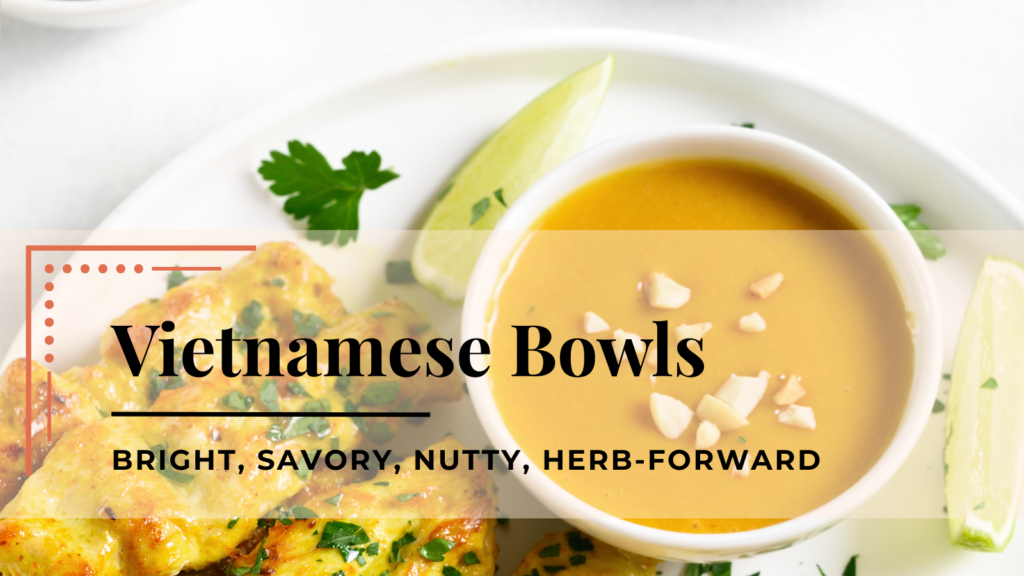
This bowl hits that distinctly Vietnamese balance of bright, savory, nutty, and herb‑forward—but stays weeknight‑simple and pantry‑driven.
1. Tamarind gives you clean, fruit‑forward sourness—not sharp acidity. Lime is bright. Vinegar is sharp. Tamarind is round, tangy, and naturally sweet, which lets you build a sweet–sour glaze without adding heaviness. It also clings beautifully to chicken breast, giving you flavor without marinating.
Internal link: your tamarind pantry guide + other tamarind bowls.
2. Peanuts add warmth and texture without turning the dish into “peanut sauce”. This is Vietnamese peanut logic: peanuts are a finishing element, not the base of a thick, creamy sauce.
Here, they show up two ways:
- crushed roasted peanuts for crunch
- a light peanut‑tamarind glaze that stays bright and glossy
This keeps the bowl fresh, not heavy.
3. Chicken breast stays juicy with a quick sear + glossy glaze. Instead of marinating, the chicken gets seared first for flavor, then coated in a fast‑reducing tamarind glaze that keeps it moist. The glaze thickens in minutes, making this a true weeknight bowl.
4. The bowl is built on Vietnamese contrast theory. Every component has a job:
- herbs for fragrance
- crisp vegetables for freshness
- rice or vermicelli for grounding
- peanuts for warmth
- tamarind for brightness
This layering is what makes Vietnamese bowls feel complete and craveable.
Related Recipes & Tips
- Sweet & Sour Tamarind Tofu Bowl
- Tamarind Chili Chicken Salad Bowl
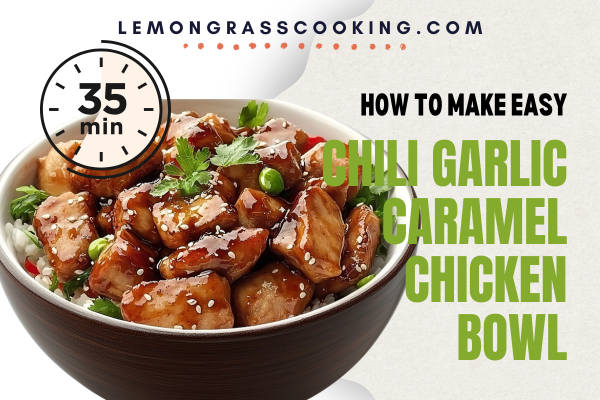
- Easy Chili Garlic Caramel Chicken Bowl
- Turmeric Lemongrass Chicken Glow Bowl
- SEE ALL: Vietnamese Chicken Bowls
Explore Vietnamese Bowl Recipes
Vietnamese bowls are built on contrast—bright herbs, crisp vegetables, warm proteins, and a sauce or dressing that ties everything together without weighing anything down. They’re fast to assemble, endlessly flexible, and rooted in the Vietnamese logic of balance: sweet–sour–salty–spicy layered over rice or noodles with fresh aromatics. These bowls feel light but satisfying, structured but customizable, and they make weeknight cooking feel effortless. If you love clean flavors, texture, and modern Vietnamese cooking, this is the place to start.

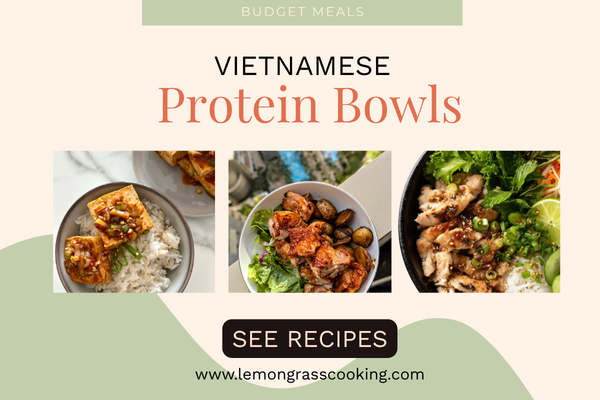
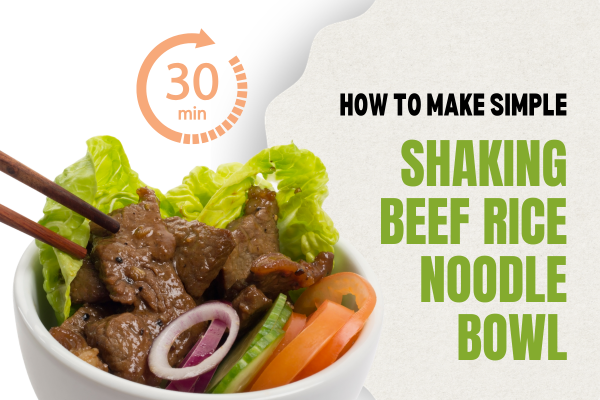
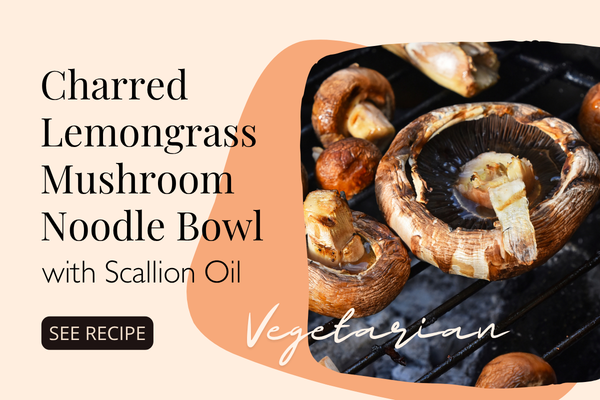
Explore Vietnamese Pantry Tips & Ideas
-
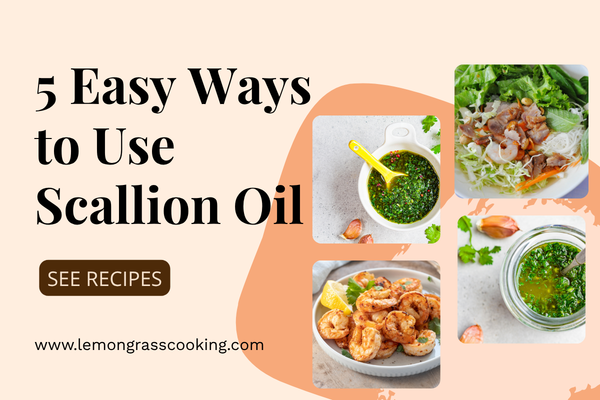
5 Bright and Easy Ways to Use Scallion Oil
5 Bright and Easy Ways to Use Scallion Oil – Scallion oil has always been one of Vietnamese cooking’s simplest magic tricks—an everyday way to make humble dishes taste cared for. You see it brushed…
-

Vietnamese Chili Crisp Chicken Cutlets with Pickled Herb Salad
Healthy Vietnamese Chili Crisp Chicken Cutlets with Pickled Herb Salad under 30-minutes. This Vietnamese salad bowl layers crispy chili crisp chicken cutlets over a bright, pickled herb salad. The cutlets bring heat and crunch, while…
-
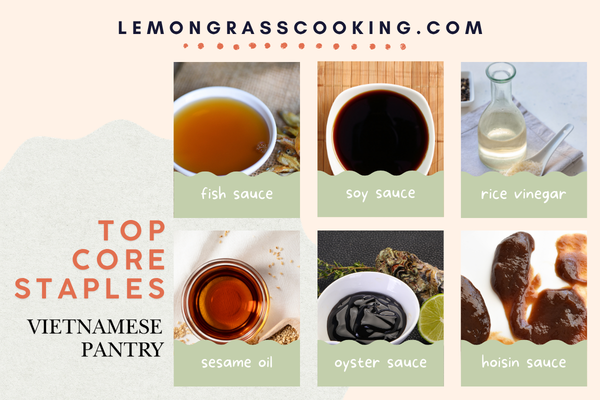
Top Vietnamese Cooking Pantry Tips
Top Vietnamese Cooking Pantry Tips – A well‑stocked Vietnamese pantry makes everyday cooking faster, easier, and far more flavorful. Vietnamese dishes rely on balance — salty, sweet, sour, spicy, and umami — and having the…
-
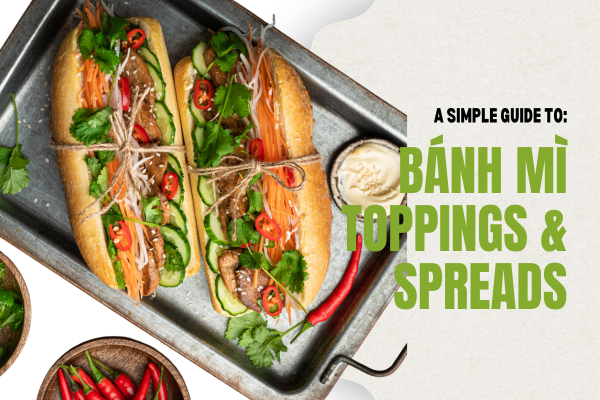
The Essential Guide to Banh Mi Toppings & Spreads
The Essential Guide to Banh Mi Toppings & Spreads A modern, editorial breakdown of every component that builds a balanced, Vietnamese bánh mì. Bánh mì is one of Vietnam’s most iconic food exports — a…
-
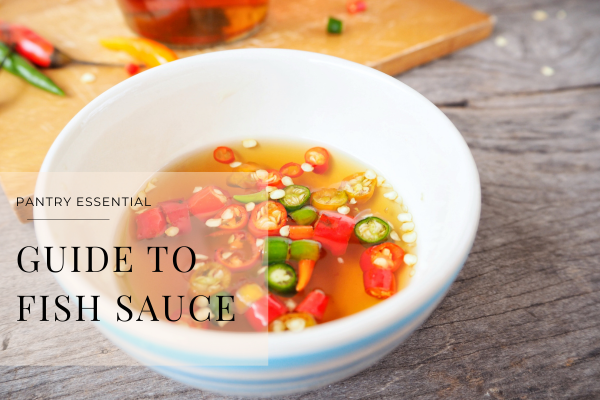
5 Easy Ways to Use Fish Sauce
5 Easy Ways to Use Fish Sauce Fish sauce is one of the most versatile ingredients in the Vietnamese pantry. A few drops add savory depth, balance acidity, and bring out the natural sweetness in…
-
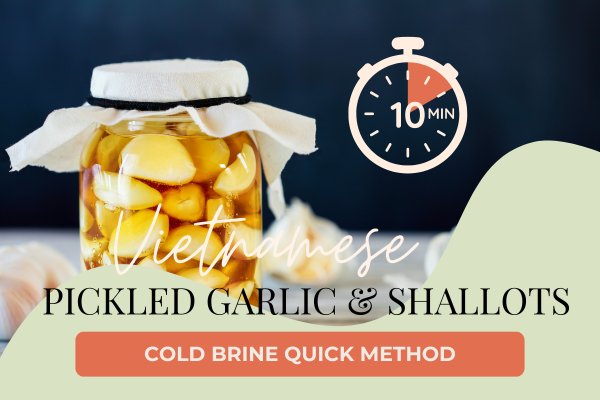
How to Pickle Garlic and Shallots
How to Pickle Garlic and Shallots (Vietnamese Quick Pickle Method) Pickled garlic and pickled shallots are two of the most essential Vietnamese pantry staples. They add brightness, crunch, and a clean, sweet‑tangy lift to bowls,…
-
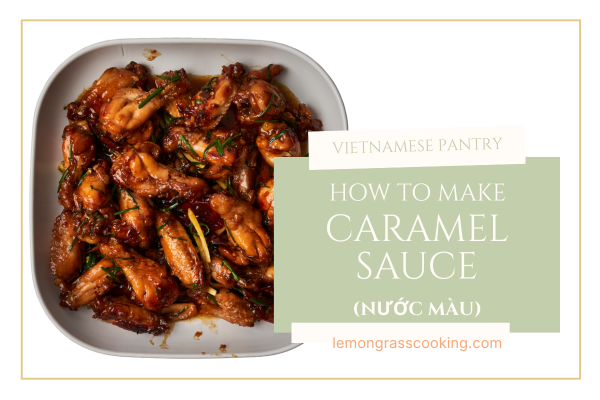
How To Make Vietnamese Caramel Sauce (Nước Màu)
How To Make Vietnamese Caramel Sauce (Nước Màu) Nước màu is one of the quiet pillars of Vietnamese cooking. It’s the deep amber caramel that gives kho dishes their signature color, gloss, and gentle bitterness.…
-
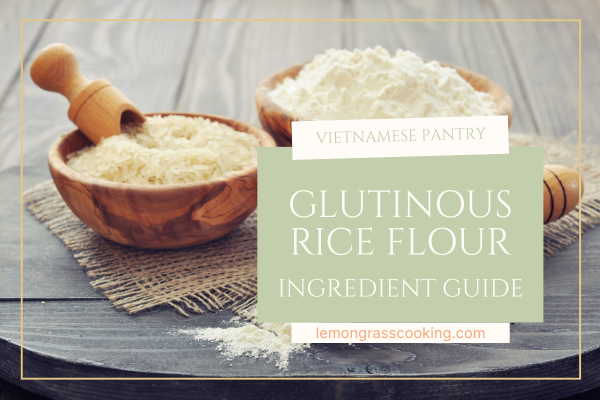
Glutinous Rice Flour Guide
Glutinous Rice Flour Guide (Bột Nếp): What it is, How to Use it, and Why it’s Essential in Vietnamese desserts. Glutinous rice flour is one of the most important ingredients in Vietnamese cooking. It creates…
-
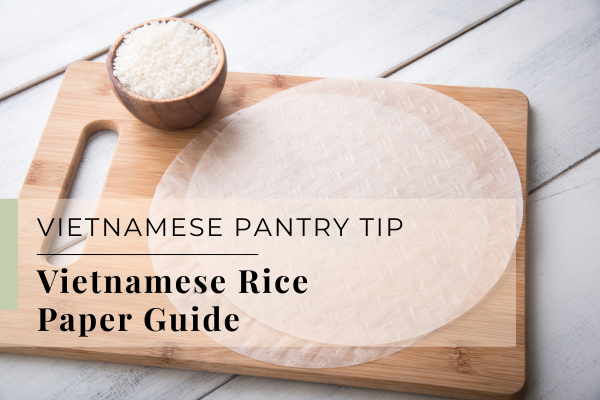
Vietnamese Rice Paper Guide
Vietnamese Rice Paper Guide: How to Buy, Store & Use Rice Paper Rice paper (bánh tráng) is one of the most versatile staples in a Vietnamese pantry. It’s used for fresh rolls, fried rolls, snacks,…
-
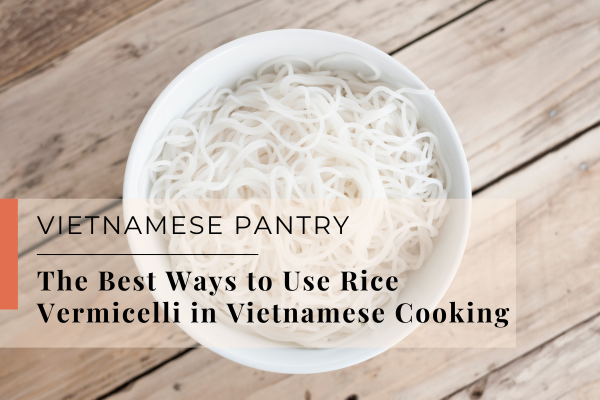
The Best Ways to Use Rice Vermicelli in Vietnamese Cooking
The Best Ways to Use Rice Vermicelli in Vietnamese Cooking Rice vermicelli noodles (bún) are one of the most versatile staples in Vietnamese cooking. They’re light, neutral, and endlessly adaptable — perfect for bowls, rolls,…