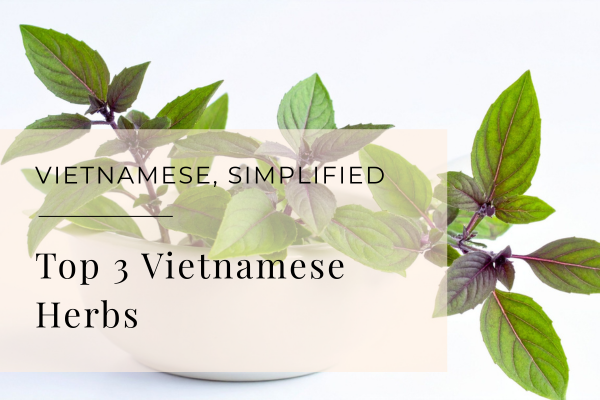
A clean guide to the herbs that define Vietnamese flavor – The Top 3 Vietnamese Herbs you’ll Find in Everyday Vietnamese Cooking — and the cultural logic behind them.
Vietnamese cooking is fresh by design. Not just because it tastes good, but because it reflects the way people have cooked, gardened, and lived for generations. Herbs aren’t a garnish in Vietnamese food — they’re a foundation. They cool the body in hot weather, balance rich dishes, stretch meals affordably, and bring fragrance to simple ingredients.
If you’ve ever made a bowl of phở or a bún bowl at home and felt like something was missing, it was probably the herbs. They’re the quiet architecture of Vietnamese flavor.
This guide breaks down the three essential herbs you’ll find in Vietnamese home kitchens, street stalls, and family gardens — and why they’ve endured for so long.
The Top 3 Vietnamese Herbs
Why Herbs Matter in Vietnamese Cooking
Vietnam is hot, humid, and agricultural. Fresh herbs thrive there — they grow quickly, regenerate easily, and don’t require much land. Historically, families kept small herb gardens behind their homes, in clay pots, or even in repurposed cans. Herbs were:
- affordable
- accessible
- resilient to weather
- fast‑growing
- medicinal
- cooling to the body
Vietnamese cuisine evolved around what was abundant and what made sense for the climate. Herbs weren’t added for decoration — they were added because they made food taste brighter, feel lighter, and digest easier in tropical heat.
These three herbs show up everywhere because they’re the ones that survived, thrived, and made the food better.
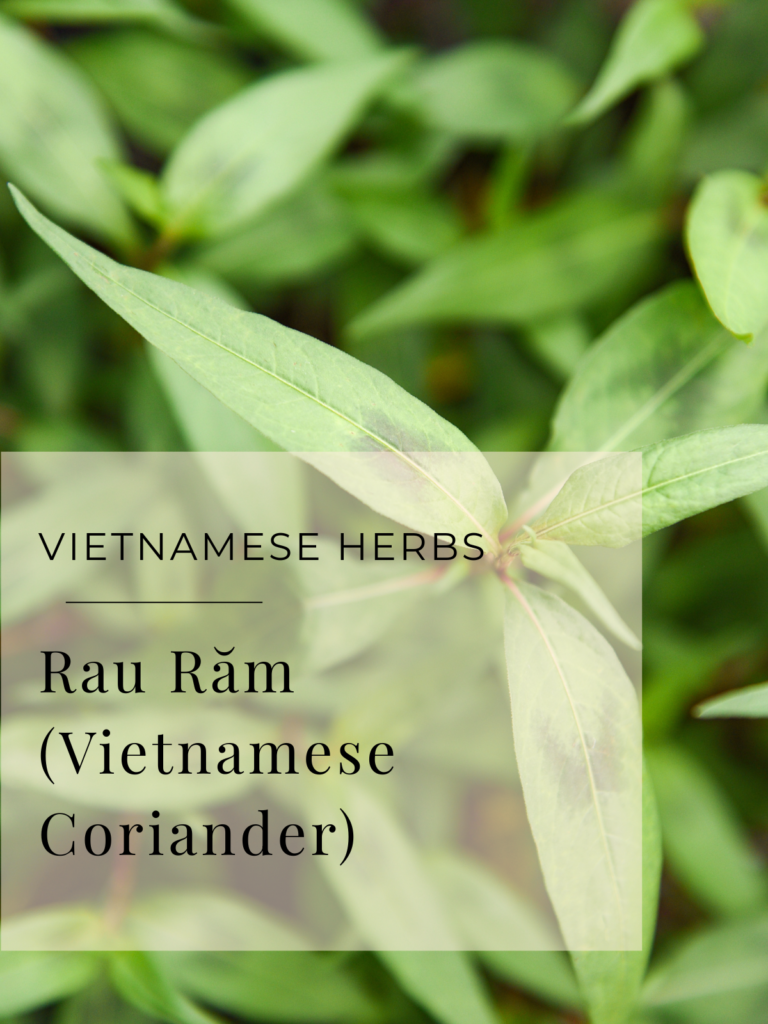
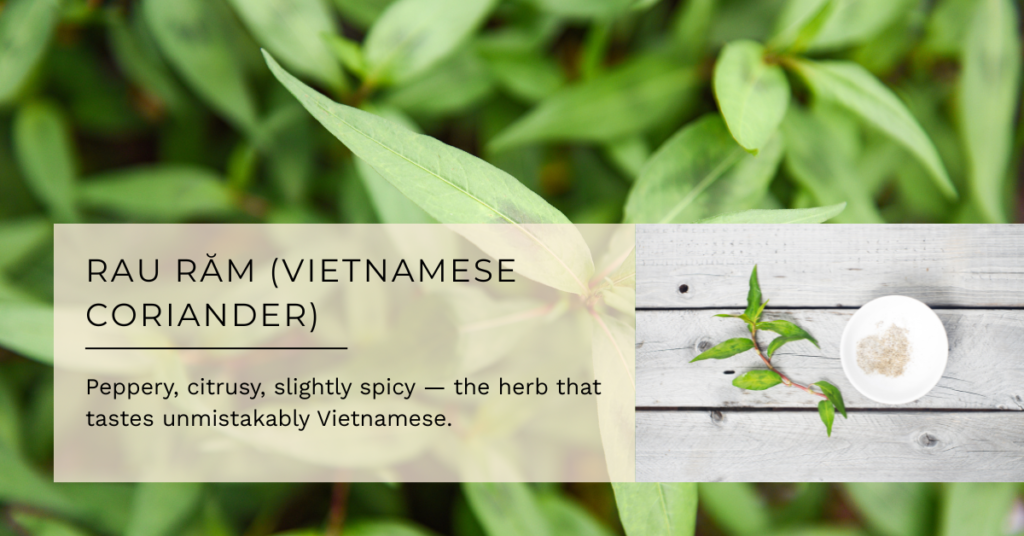
1. Rau Răm (Vietnamese Coriander)
Peppery, citrusy, slightly spicy — the herb that tastes unmistakably Vietnamese.
Cultural context
Rau răm grows like a weed in Vietnam — fast, hardy, and generous. It thrives in heat and humidity, which made it a staple in home gardens. Because it grows so easily, it became a natural everyday herb: something you could pick by the handful without thinking twice.
It’s also considered a “warming” herb in Vietnamese food culture, balancing dishes that are cooling or light.
What Rau Răm tastes like
Peppery, warm, slightly citrusy — more intense than cilantro.
Where you’ll find Rau Răm used
- Gỏi gà (Vietnamese chicken salad)
- Rice paper rolls
- Fresh herb platters
- Bún bowls
- Balut (trứng vịt lộn)
Why Rau Răm (Vietnamese Coriander) matters
Rau răm adds depth and warmth — the kind of flavor that instantly makes a dish taste more Vietnamese.
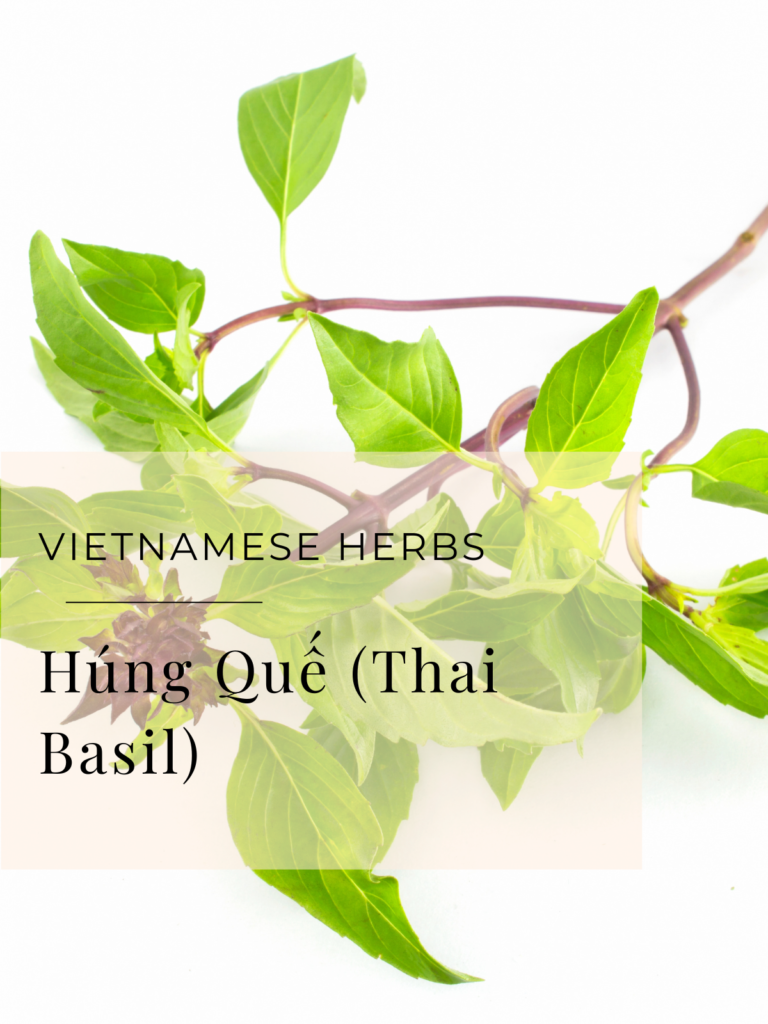
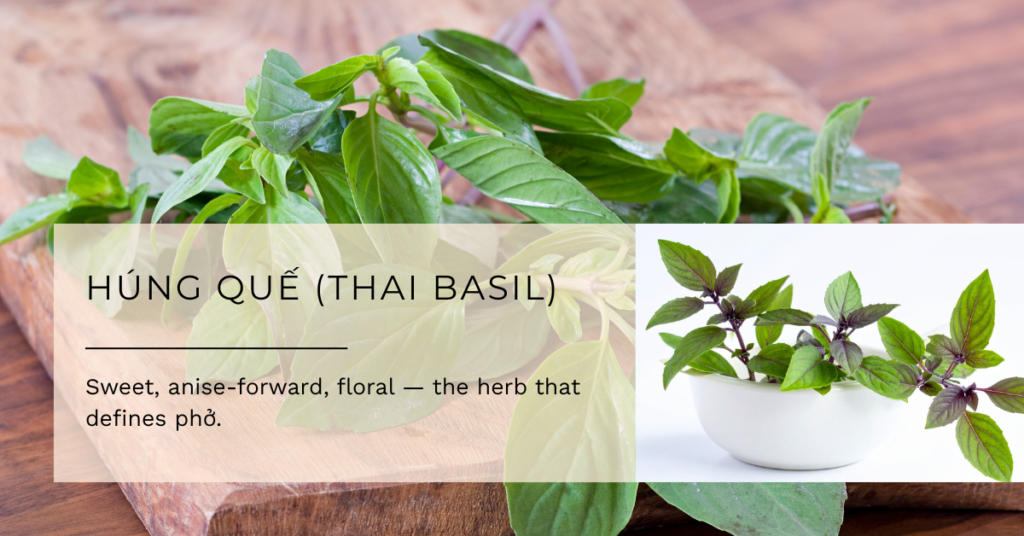
2. Húng Quế (Thai Basil)
Sweet, anise‑forward, floral — the herb that defines phở.
Cultural context
Thai basil is one of the most commonly grown herbs in Vietnamese home gardens. It’s resilient, grows tall, and regrows quickly after cutting. Families often kept it near the kitchen door so it could be picked fresh for soups and noodle bowls.
It’s also a “cooling” herb in Vietnamese food culture — perfect for balancing hot broths and grilled meats.
What Húng Quế (Thai Basil) tastes like
Sweet, floral, slightly spicy, with a gentle licorice note.
Where you’ll find Húng Quế (Thai Basil)
- Phở
- Bún thịt nướng
- Bún bò Huế
- Fresh spring rolls
- Stir‑fries
Why Húng Quế (Thai Basil) matters
Thai basil is the herb that gives phở its signature aroma. Without it, the bowl feels incomplete.
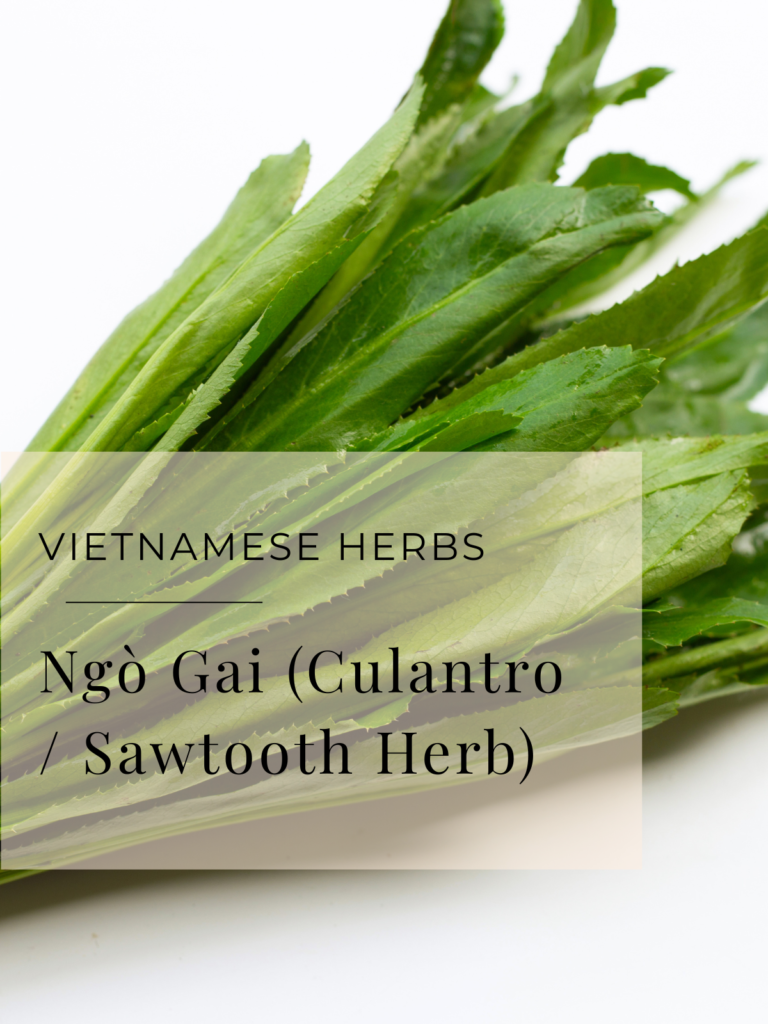
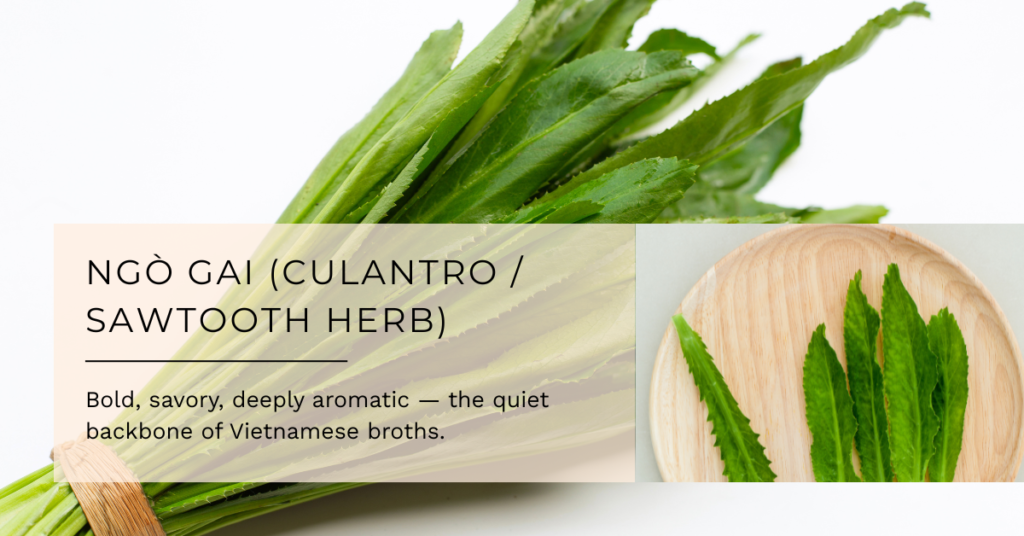
3. Ngò Gai (Culantro / Sawtooth Herb)
Bold, savory, deeply aromatic — the quiet backbone of Vietnamese broths.
Cultural context
Ngò gai is one of the most traditional herbs in Vietnamese cooking. It grows low to the ground, survives intense heat, and stays flavorful even when the weather is harsh. Because it’s so hardy, it became a staple in rural gardens and home kitchens.
It’s also valued for its medicinal qualities — especially for digestion — which is why it shows up in broths and soups.
What Ngò Gai (Culantro / Sawtooth Herb) tastes like
Deep, savory, slightly citrusy — stronger than cilantro.
Where you’ll find Ngò Gai (Culantro / Sawtooth Herb) Used
- Phở (especially phở bò)
- Bò kho
- Canh chua
- Herb platters for grilled meats
Why Ngò Gai (Culantro / Sawtooth Herb) matters
Ngò gai is the secret to a broth that tastes layered and aromatic. It’s the herb that makes phở broth taste like phở broth.
Why These Herbs Endured
These three herbs became staples not because they were trendy, but because they made sense:
- They grow easily in tropical climates
- They regenerate quickly after cutting
- They’re affordable and accessible
- They balance the body in hot weather
- They elevate simple ingredients
- They’re deeply aromatic without being heavy
Vietnamese cuisine is built on practicality and balance. These herbs survived generations because they deliver both.
How These Herbs Work Together
Vietnamese cooking is all about harmony. These herbs each bring something different. Together, they create the layered, fresh, unmistakably Vietnamese flavor profile that defines the cuisine.
| Herb | Flavor | Cultural Role | Best For |
| Rau Răm (Vietnamese Coriander) | Peppery, warm | Warming herb | Salads, rolls, herb platters |
| Húng Quế (Thai Basil) | Sweet, flora | Cooling herb | Phở, noodle bowls, rolls |
| Ngò Gai (Culantro / Sawtooth Herb) | Savory, bold | Digestive + aromatic | Broths, soups, stews |
How to Shop for Vietnamese Herbs
You’ll find the freshest herbs at:
- Vietnamese or Southeast Asian markets
- Farmers markets (seasonally)
- Some specialty grocers with Asian produce sections
Look for:
- Bright, unwilted leaves
- No black spots
- Firm stems
- Strong aroma when gently rubbed
How to Store Vietnamese Herbs
To keep herbs fresh for days:
- Wrap in a slightly damp paper towel
- Place in a breathable produce bag
- Store in the crisper drawer
- For Thai basil: store like flowers, stems in water, loosely covere
Recipes That Use These Herbs
- Chicken Phở (Phở Gà) — Thai basil + green onion
- Bún Thịt Nướng — Thai basil + rau răm
- Gỏi Gà — rau răm + cilantro
- Canh Chua — ngò gai + Thai basil
Explore More Vietnamese Recipes, Simplified
-
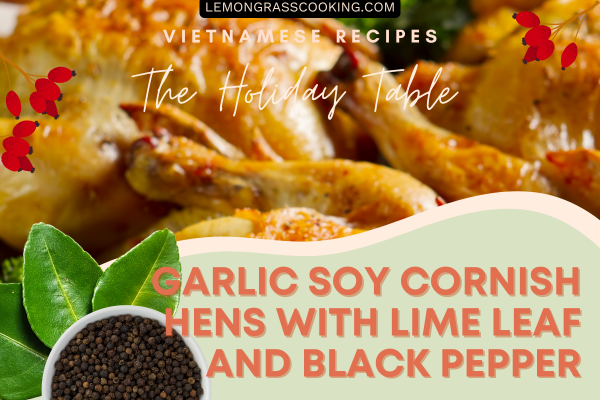
Garlic Soy Cornish Hens with Lime Leaf and Black Pepper
Garlic Soy Cornish Hens with Lime Leaf and Black Pepper – The Cornish Hen Recipe That Always Impresses Guests! Garlic Soy Cornish Hens with Lime Leaf and Black Pepper Garlic…
-
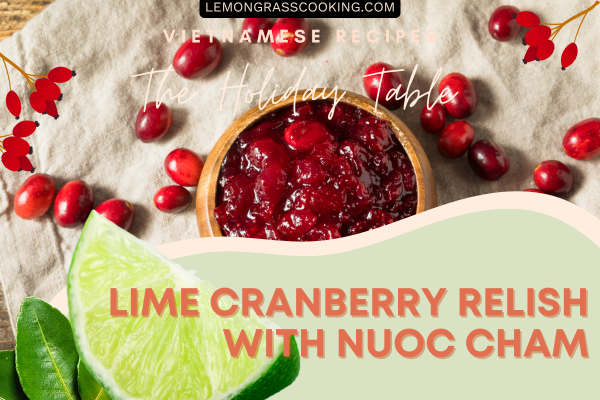
Lime Cranberry Relish with Nuoc Cham
Tart Cranberry Meets Lime in This Vietnamese-Style Relish: Lime Cranberry Relish with Nuoc Cham A fresh spin on a classic Vietnamese dipping sauce, this cranberry–lime nuoc cham relish brings sharp…
-
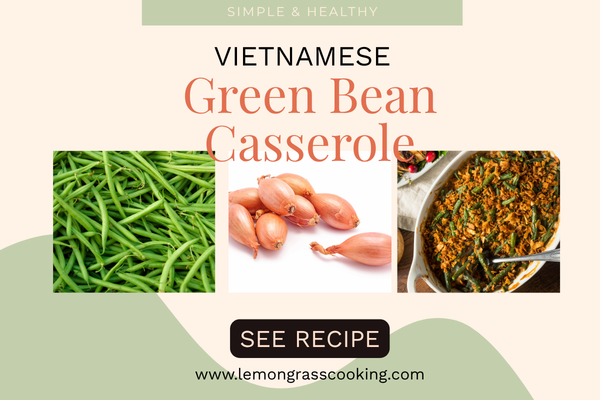
How to Make Vietnamese Green Bean Casserole
How to Make Vietnamese Green Bean Casserole. This Vietnamese-inspired green bean casserole brings together the comfort of a classic holiday dish with the aromatics and savory backbone of Vietnamese cooking.…