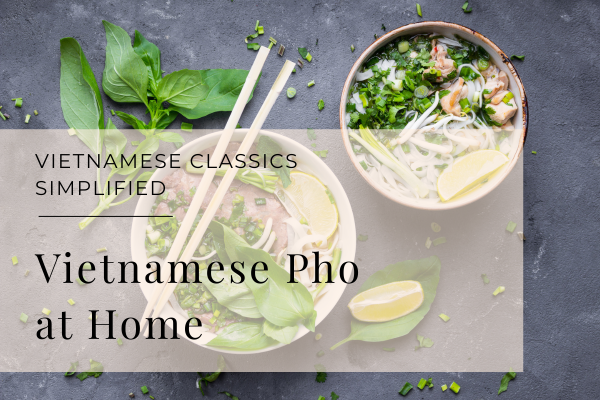
Vietnamese Pho at Home: A Simple Guide to Quick Beef & Chicken Pho Broth. Pho is one of the most recognizable Vietnamese dishes in the world, but at home it’s far simpler than the restaurant versions most people know. A good bowl isn’t heavy or complicated — it’s clean, aromatic, and built from a few intentional steps. This guide brings together everything you need to make weeknight pho the Vietnamese way, with fast pressure‑cooker broths, properly cooked noodles, and the right herbs used with purpose.
Pho began in northern Vietnam as a practical, everyday noodle soup — clear broth, rice noodles, a few aromatics. Over time it became the dish that represents Vietnamese cooking globally. This guide focuses on the home version: lighter, faster, and rooted in technique rather than volume. You’ll find pressure‑cooker beef and chicken broths, the logic behind herbs and toppings, and how to assemble a bowl that tastes balanced and honest.
If you’ve only had restaurant pho, the home version might surprise you. It’s cleaner, faster, and built from steps that fit into real life — especially with a pressure cooker. This guide walks you through quick beef and chicken pho broths, how to cook noodles properly, and how to use herbs the Vietnamese way so your bowl tastes fresh and intentional.
Pho carries a lot of meaning in Vietnamese cooking, but at its core it’s a simple bowl built from clarity: clear broth, tender noodles, and fresh herbs. This guide shows you how to make that bowl on a weeknight, using pressure‑cooker broths and a few essential techniques that keep the flavors clean and true to home‑style pho
Essentials of Vietnamese Pho at Home
A great bowl of pho starts with three essential things: a clean, balanced broth, properly cooked noodles, and the right aromatics. These are the core components of home‑style pho — lighter, clearer, and more intentional than the restaurant versions most people know.
Get the Recipes: Home-Style Beef & Chicken Pho Broths
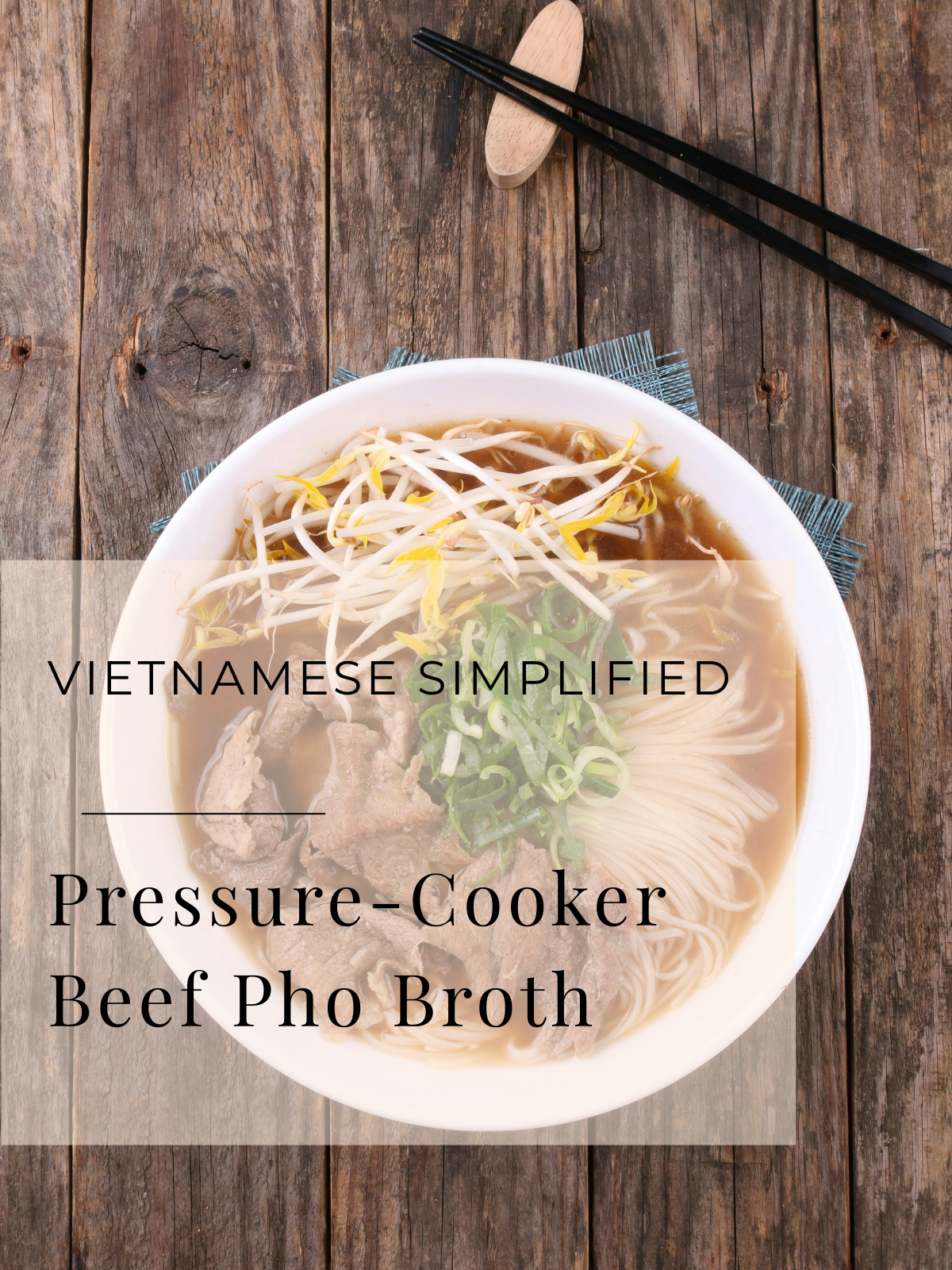
Quick Beef Pho Broth (Phở Bò) — Pressure Cooker
A fast, deeply aromatic beef broth built from charred aromatics, warm spices, and a clean finish. This version keeps the broth clear and balanced while cutting the simmer time dramatically.
What makes it work:
- Pressure cooker extracts depth quickly
- Classic spices used with restraint
- Charred onion + ginger for warmth
- Seasoned at the end for clarity
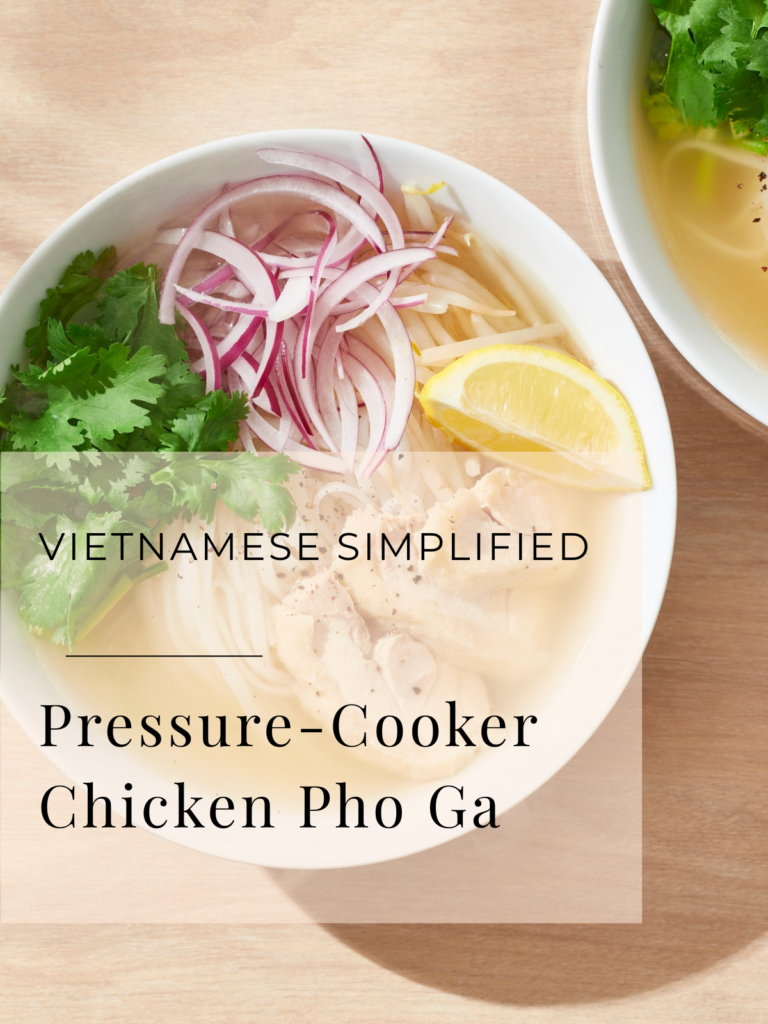
Quick Chicken Pho Broth (Phở Gà) — Pressure Cooker
A lighter, calming broth that reflects how Vietnamese families actually cook pho at home. Ginger and scallion lead the flavor, with a broth that stays clean and restorative.
What makes it work:
- Whole chicken = broth + meat for the bowl
- Fast, clean extraction in the pressure cooker
- Gentle spice profile
- Naturally lighter and perfect for weeknights
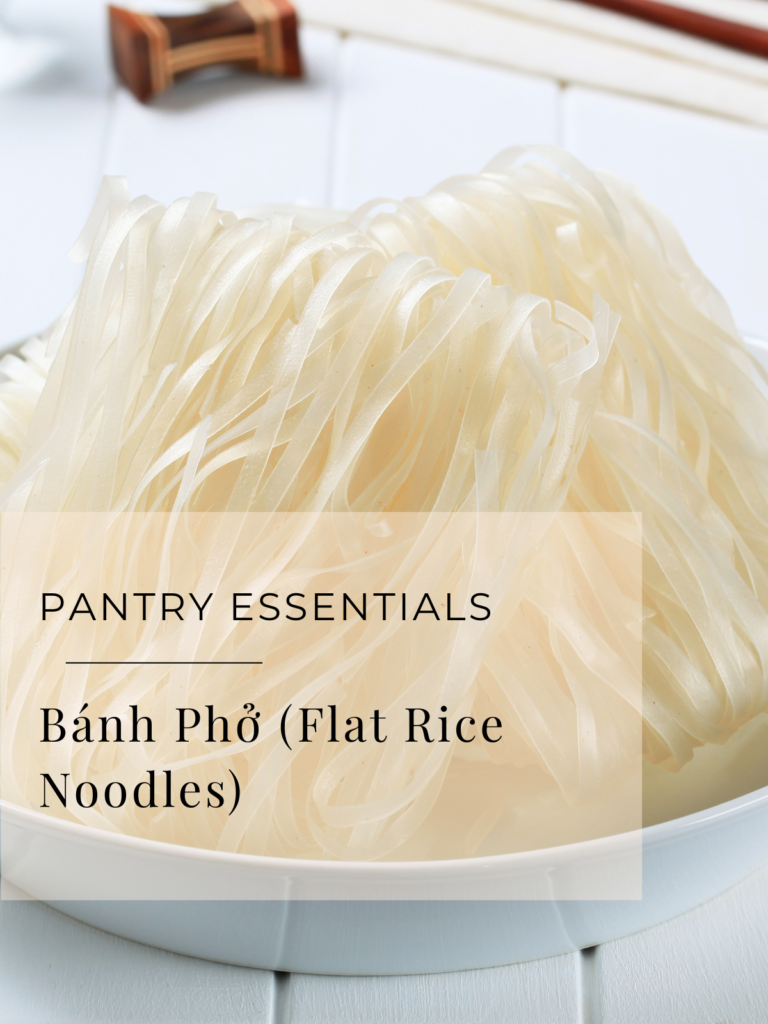
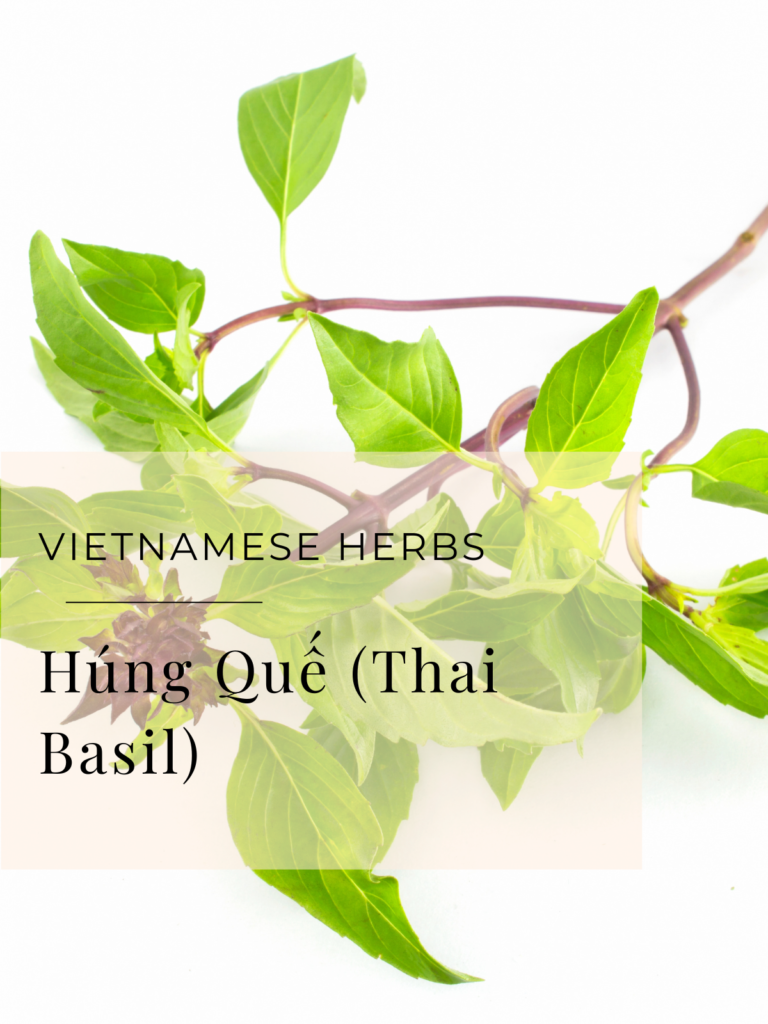
Easy Guides from Our Pantry: Pho Rice Noodles & Aromatics
The Origin of Pho
Pho is a relatively young dish in Vietnamese cooking, emerging in the early 1900s in northern Vietnam — specifically Hanoi and Nam Định. Unlike many traditional Vietnamese dishes that date back centuries, pho developed at a moment when Vietnamese, Chinese, and French influences intersected in everyday life.
A New Dish for a New Era
Pho became possible only when beef became widely available. Before French colonization, cattle were work animals, not food. Once the French introduced large‑scale cattle farming, beef bones became inexpensive and abundant — perfect for street vendors who needed a flavorful broth base.
Chinese Noodle Traditions Shaped the Form
Northern Vietnam had long‑established Chinese communities who made flat rice noodles and noodle soups. Many historians believe the word phở evolved from the Cantonese term phấn (粉), referring to rice noodles. But the dish itself is not Chinese — it’s Vietnamese in its clarity, restraint, and balance.
Vietnamese Culinary Logic Made Pho What It Is
The defining elements of pho — clear broth, charred ginger and onion, warm spices used with intention, fresh herbs added at the table — reflect Vietnamese cooking principles:
- clarity over heaviness
- aromatics used for balance, not dominance
- freshness added at the end
- fish sauce as the backbone of seasoning
This is why home‑style phở tastes clean and light, not heavy or overly spiced.
A Street Food for Workers
Early pho was sold by roaming vendors carrying broth and noodles in hanging baskets. It was eaten at dawn by laborers who needed something hot, filling, and fast. This is the origin of pho as a morning food — a rhythm that still defines Vietnam today.
The North–South Split
After 1954, when many northern families migrated south, phở evolved into two distinct styles:
- Northern phở (phở Bắc): clear, savory, minimal
- Southern phở: sweeter, more herbs, more toppings, sauces on the table
Both are authentic — they simply reflect different regions and histories.
Chicken Phở Came Later
Originally, pho was only beef. Chicken pho (phở gà) became popular during periods when beef was scarce or expensive, especially during wartime. Today, it’s the version many Vietnamese families make at home because it’s fast, light, and restorative.
Closing Note
Pho doesn’t need to be complicated to taste honest. With a clear broth, properly cooked noodles, and a few intentional herbs, you can build a bowl that feels true to Vietnamese home cooking — even on a weeknight. Use these broths, noodle techniques, and assembly steps as your foundation, and let the bowl evolve with your own rhythm in the kitchen.