Roundup of How to Use Vietnamese Pickled Carrot & Daikon (Đồ Chua) in Your Everyday Cooking
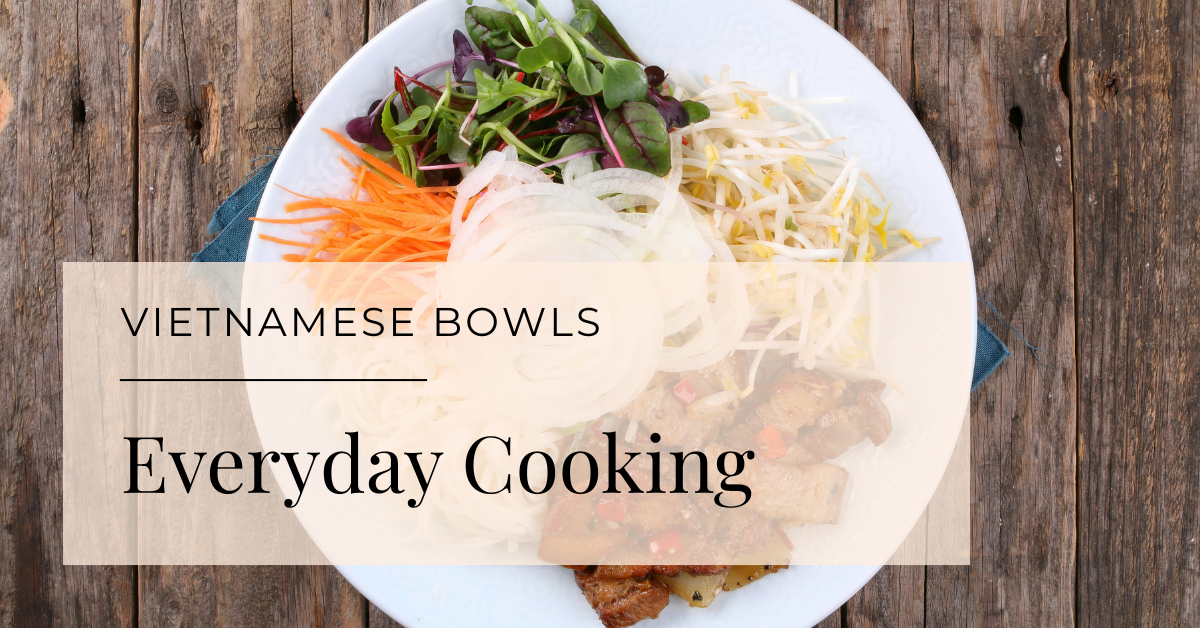
Vietnamese pickled carrot and daikon — đồ chua — is one of those quiet essentials that shows up everywhere in Vietnamese cooking. It’s bright, crunchy, lightly sweet, and instantly wakes up anything rich or savory. If you’ve ever had a bánh mì or a vermicelli bowl at a restaurant and wondered why it tastes so balanced, this is the ingredient doing the heavy lifting.
You already have the jar in your fridge. This post is about how to actually use it — in bowls, salads, sandwiches, and quick weeknight builds that need a little brightness.
Why Vietnamese Pickes (Dồ Chua) Matters
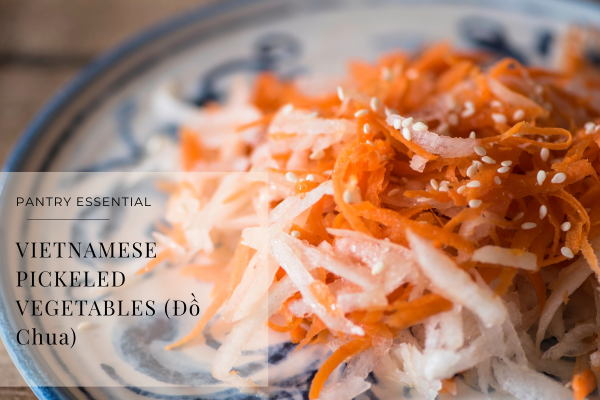
Đồ chua isn’t just a topping. It’s a balancing tool.
It cuts through grilled meats, adds crunch to noodle bowls, and brings acidity to dishes that need contrast. A spoonful here and there turns a simple bowl into something that tastes layered and intentional.
It’s also one of the easiest Vietnamese pantry staples to keep on hand. A single batch lasts weeks and gives you instant flavor whenever you need it.
Where to Use Vietnamese Pickle
Here’s how to bring đồ chua into your everyday cooking — and how it ties into your existing recipes.
1. Vermicelli bowls. Pickles add brightness and crunch to any noodle bowl.
Use them in:
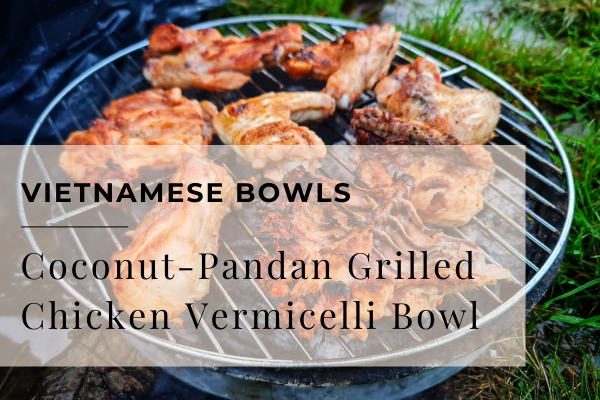
- Coconut‑Pandan Grilled Chicken Vermicelli Bowl
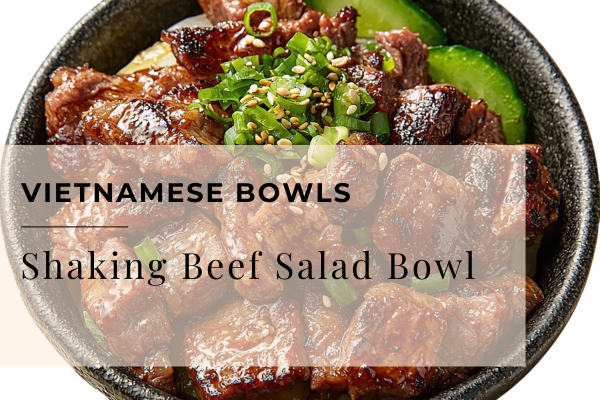
- Shaking Beef Salad Bowl
- Rice Vermicelli Noodle Bowl Bar (perfect for build‑your‑own nights)
They sit beautifully next to herbs, cucumbers, and grilled proteins.
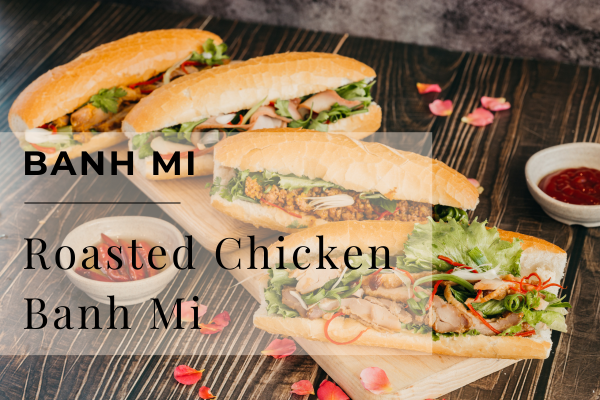
2. Bánh mì. This is the classic pairing. Your pickles bring the acidity that balances rich fillings like eggs, pork, or grilled meats. Use them in:
3. Fresh salads and herb bowls. A spoonful of đồ chua adds brightness to salads that lean savory or rich.
It works especially well with lime‑pepper dressings or grilled proteins.
4. Weeknight rice plates. Grilled pork chops, lemongrass chicken, shaking beef — all of them benefit from a little acidity on the side. It’s the easiest way to make a simple rice plate feel restaurant‑level.
Why Vietnamese Pickled Vegetables Belong in Every Pantry
1. Instant Brightness & Balance
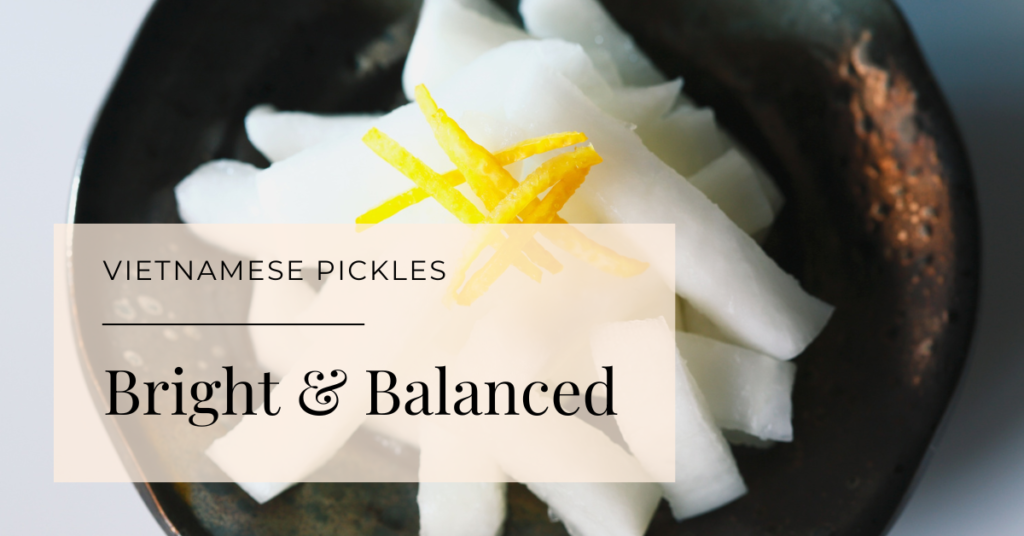
Đồ chua cuts through rich, savory dishes with gentle acidity and crunch. It’s the ingredient that keeps bowls, bánh mì, and grilled meats feeling fresh and balanced instead of heavy.
2. Always Ready in the Fridge
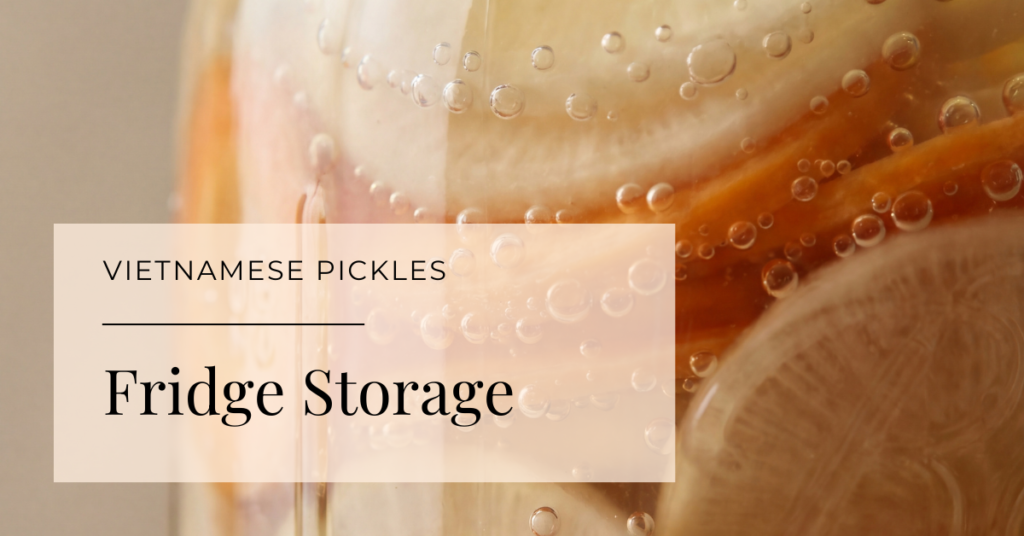
A single jar lasts for weeks and stays crisp, making it one of the easiest “prep once, use often” components in Vietnamese home cooking. It turns even simple leftovers into something lively.
3. Versatile Across Bowls, Sandwiches, and Salads
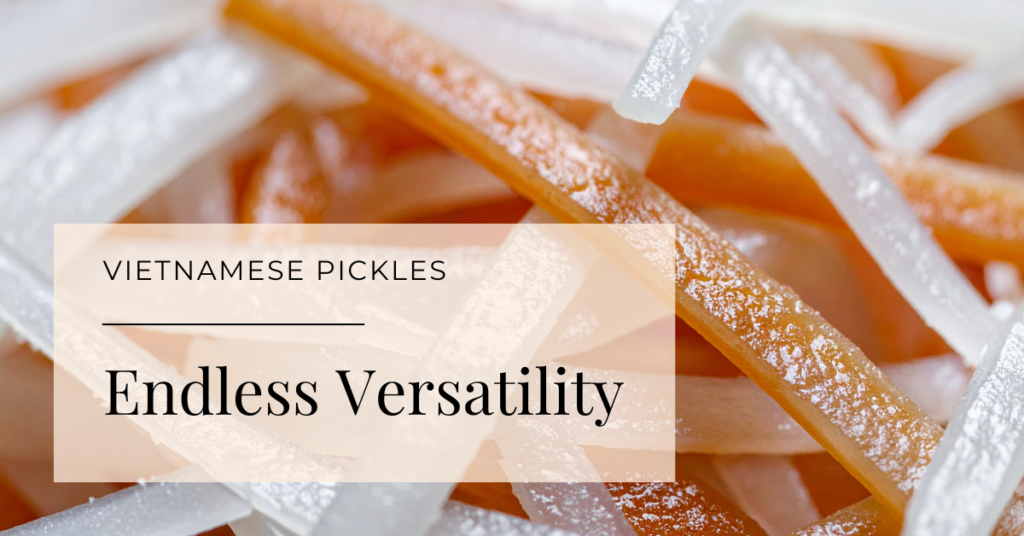
These pickles pair with almost everything — proteins, herbs, dressings, noodles, rice. They’re a flexible building block that fits naturally into your bowls‑first, modern Vietnamese style.
Vietnamese Pickles: Variations to Try
Vietnamese pickled vegetables are easy to customize. Swap in what you have or adjust the flavor to match the dish you’re making. Try adding cucumber for extra freshness, red onion for color, Thai chili for heat, or a pinch of turmeric for a golden, earthy twist. Each variation keeps the pickles bright, crisp, and ready for anything in your weekly cooking. Here is a list of 3 variations were experimenting with:
- Turmeric‑Golden Shallot Pickle. A bright aromatic pickle that adds colot and depth.
- Thinly slice shallots and pickle with rice vinegar, sugar, salt, and a pinch of turmeric.
- Pickled Asparagus Spears. A spring bowl upgrade, crisp, elegant, and very “modern Vietnamese”.
- Quick‑pickle thin asparagus with rice vinegar, sugar, salt, and a slice of ginger.
- Soft‑Boiled Pickled Eggs. Vietnamese Pantry Egg.
- Soft‑boil eggs, peel, and soak in a brine of rice vinegar, sugar, fish sauce, and a touch of garlic.