Understand How to Use Mushrooms in Vietnamese Cooking.
Mushrooms show up everywhere in Vietnamese home cooking, especially in dishes shaped by a mindset that values balance, clarity, and nourishment. It’s not about religion—it’s about an approach to food that feels gentle and intentional. Ingredients are chosen for the way they support harmony in a dish, and mushrooms fit naturally into that logic. They bring depth without heaviness, umami without force, and a warmth that makes even simple meals feel complete.
In Vietnamese kitchens, mushrooms aren’t treated as a “replacement.” They’re treated as an ingredient with its own personality. You’ll see them in broths, stir‑fries, braises, and everyday soups—always chosen for the way they absorb flavor, hold texture, and bring a quiet richness that doesn’t overpower the dish.
For this bánh mì, that mindset matters. Instead of trying to mimic grilled pork or meatballs, the mushrooms are cooked until they’re glossy and caramelized, then finished with a splash of soy, a touch of sugar, and a little black pepper. They become savory, slightly chewy, and full of character—exactly what you want in a plant‑forward bánh mì.
The Best Mushroom Variety for Vietnamese Cooking
Mushrooms behave differently in Vietnamese cooking than they do in other recipes. They’re not used for “meatiness” alone—they’re chosen for texture, absorption, and how they carry seasoning. In Vietnamese cooking, you want mushrooms that caramelize well, hold their shape, and bring a warm, savory depth without turning watery.
Oyster Mushrooms
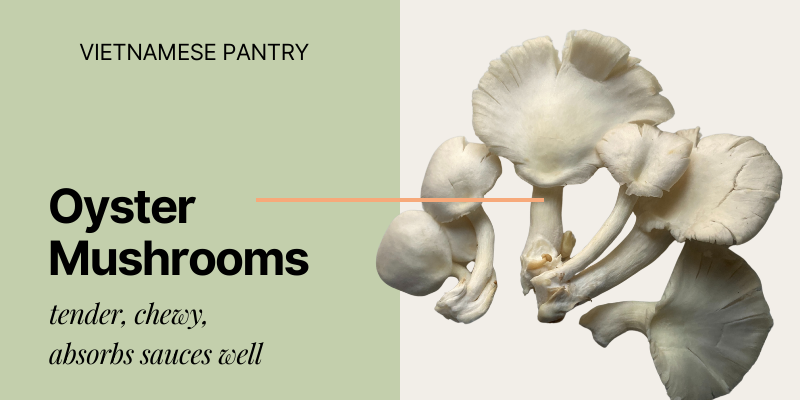
Oyster mushrooms are the most Vietnamese in spirit for this recipe. They tear beautifully into long, irregular strips that mimic the texture of grilled proteins—not because they’re pretending to be meat, but because they naturally create that tender‑chewy bite. They also brown quickly and absorb soy, sugar, and aromatics with almost no effort.
Shiitake Mushrooms
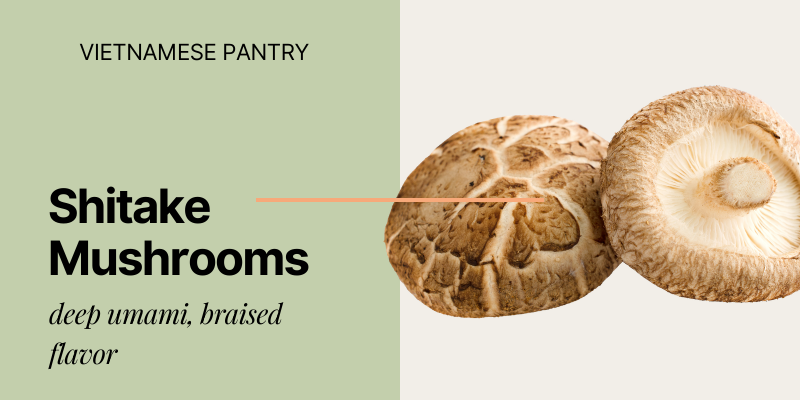
Shiitakes bring the deepest umami. Their caps caramelize into something glossy and savory, while the stems (if tender) add a subtle chew. They’re especially good if you want a more “braised” flavor profile—rich, earthy, and full of character.
King Oyster Mushrooms
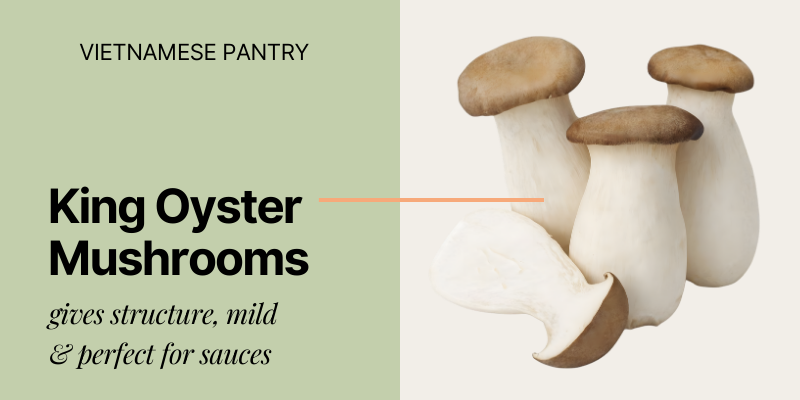
King oysters are all about structure. When sliced lengthwise or torn into strips, they give you thick, satisfying pieces that hold up in a sandwich. They’re mild on their own, which makes them perfect for soaking up soy, Maggi, and black pepper.
Cremini or Button Mushrooms
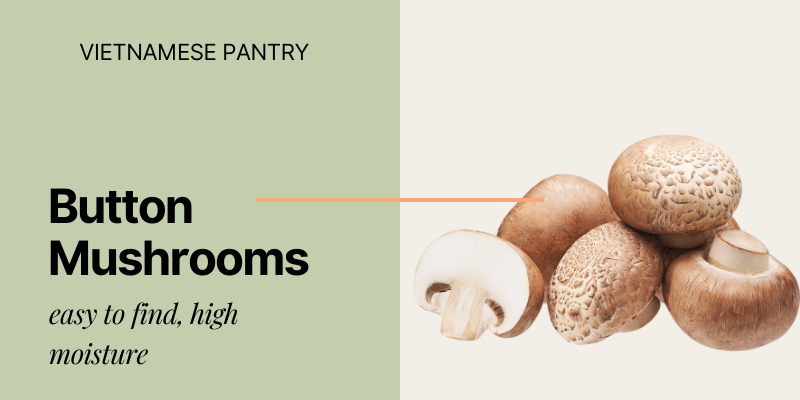
These are the most accessible and still work well, but they release more moisture. If using them, cook in a wide pan and let them brown undisturbed so they can concentrate and caramelize instead of steaming.
Why These Mushrooms Work in Vietnamese Cooking
ingredients that feel alive, balanced, and gentle. Mushrooms fit naturally into that approach because they bring depth without heaviness. They’re not trying to replace anything; they’re celebrated for their own qualities.
In a bánh mì, that philosophy shows up in the way mushrooms:
- Absorb seasoning instead of sitting on top of it
- Hold texture even when cooked down
- Create umami without relying on animal fat
- Balance brightness from pickles, herbs, and chili
It’s a plant‑forward sandwich that feels intentional, not performative – rooted in Vietnamese logic, not imitation.
A Closing Thought on Mushrooms
Mushrooms have a way of grounding a dish without weighing it down, which is why they feel so at home in Vietnamese cooking. They bring warmth, umami, and texture, but they also bring a certain calm—an ease that comes from working with an ingredient that doesn’t need much to shine. When you cook with mushrooms this way, you’re leaning into a mindset that values balance, clarity, and intention. It’s simple food, prepared thoughtfully, and it turns even the most everyday meal into something quietly satisfying.
Vietnamese Pantry Game-Changer: Mushroom Seasoning Salt
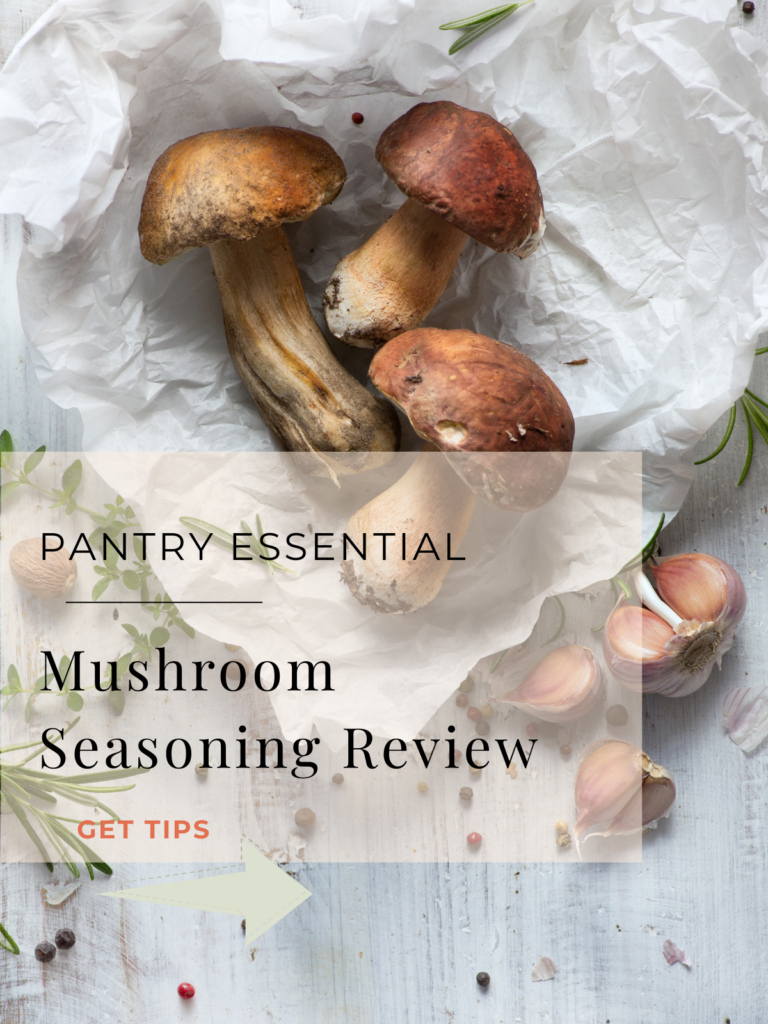
The Definitive Guide to Mushroom Seasoning Review
Mushroom seasoning is one of those quiet pantry essentials that makes everyday cooking taste more intentional. It adds depth without heaviness, umami without saltiness, and a roundness that brings broths, vegetables, marinades, and noodle bowls into balance.
More Vietnamese Vegetarian Recipes
-
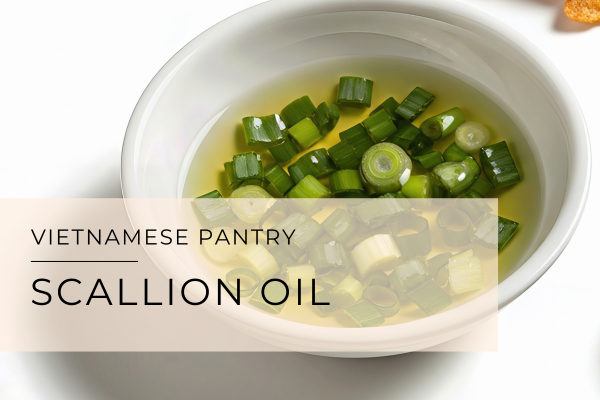
Easy 10-Minute Scallion Oil
This easy 10-Minute Scallion Oil incorporates Vietnamese-fusion into anything you pair it with. What is Scallion Oil? Scallion oil is one of the simplest ways to add brightness and aroma to Vietnamese dishes. It solves the problem of flat, one‑note…
-
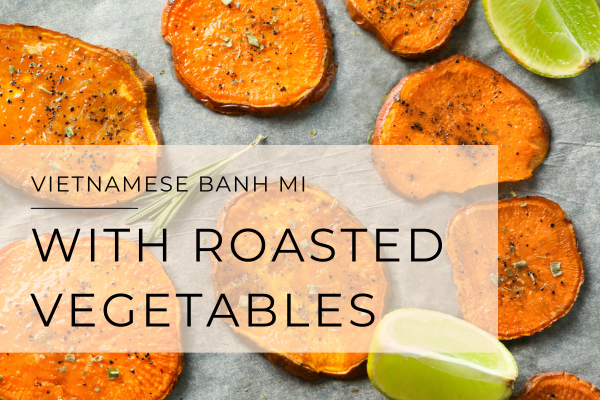
Roasted Vegetable Bánh Mì
Roasted Vegetable Bánh Mì – A bright, weeknight‑easy Vietnamese sandwich built with roasted carrots, sweet potatoes, fresh herbs, and classic pickles. A simple, vibrant vegetarian bánh mì that still delivers contrast and depth This Roasted Vegetable Bánh Mì is a…
-
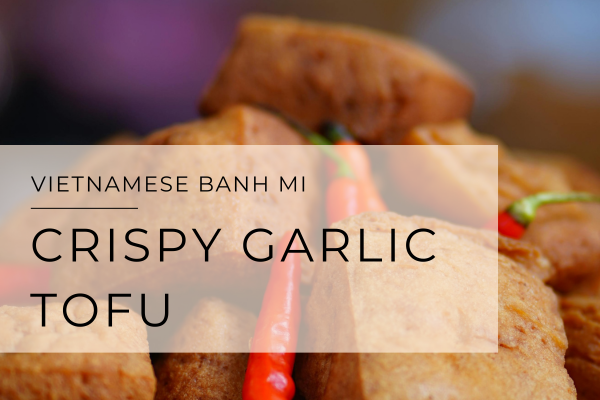
Crispy Garlic Tofu Bánh Mì
Easy Crispy Garlic Tofu Bánh Mi to add to your everyday meal routine. A bright, plant‑forward Vietnamese sandwich with crisp tofu, garlic oil, herbs, and quick pickles Crispy Garlic Tofu Bánh Mì is a fresh, weeknight‑friendly take on the classic…
-
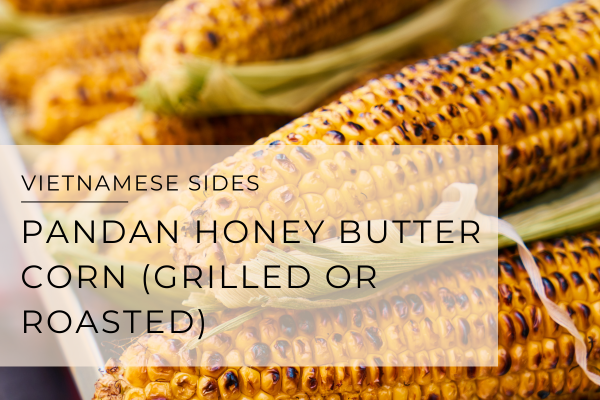
Pandan Honey Butter Corn (Grilled or Roasted)
This easy Pandan Honey Butter Corn (Grilled or Roasted) is a refreshing take on natural Vietnamese ingredient to enhance an already nostalgic classic like grilled corn. Corn shows up in so many comforting corners of Vietnamese cooking. You’ll find it…
-
How to Store Fresh Herbs for Vietnamese Cooking
How to Store Fresh Herbs for Vietnamese Cooking (So They Stay Fresh for Days). Fresh herbs are the backbone of Vietnamese cooking — they add brightness, texture, and that unmistakable clean finish. But they’re also the first thing to wilt…
-
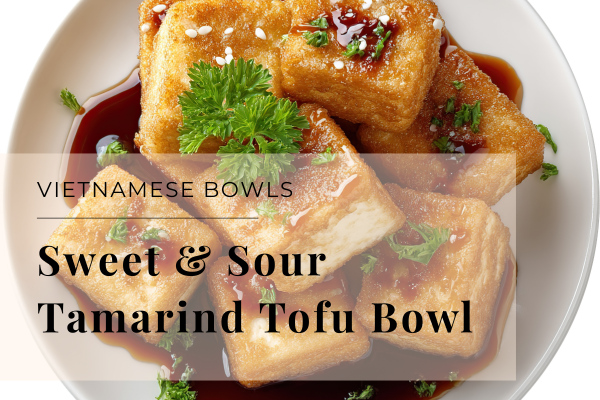
Sweet & Sour Tamarind Tofu Bowl
Sweet & Sour Tamarind Tofu Bowl (Canh Chua–Inspired) Bright. Herb‑forward. Crispy tofu with a glossy tamarind glaze.This bowl takes the emotional memory of canh chua—Vietnam’s iconic sweet‑sour soup—and reimagines it as a modern, plant‑forward meal that cooks fast and tastes…
-
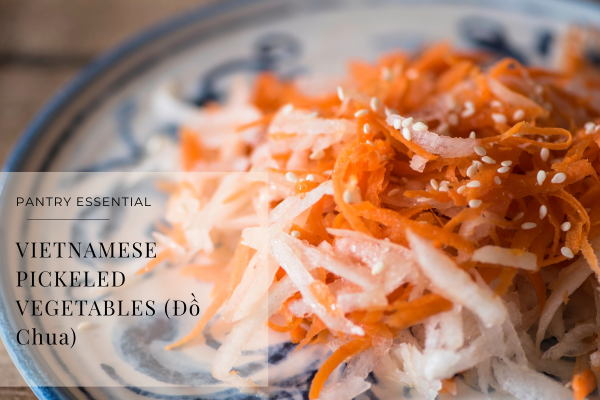
How to Use Vietnamese Pickled Carrot & Daikon (Đồ Chua) in Your Everyday Cooking
Roundup of How to Use Vietnamese Pickled Carrot & Daikon (Đồ Chua) in Your Everyday Cooking Vietnamese pickled carrot and daikon — đồ chua — is one of those quiet essentials that shows up everywhere in Vietnamese cooking. It’s bright,…
-
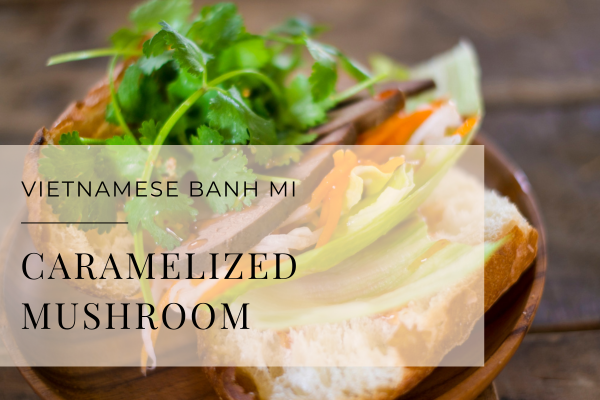
Caramelized Mushroom Bánh Mì
Our Caramelized Mushroom Bánh Mì is a modern, plant‑forward Vietnamese sandwich that feels both everyday and quietly meaningful. There’s something special about a bánh mì built around mushrooms. It’s not trying to imitate meat or be a stand‑in for something…
-
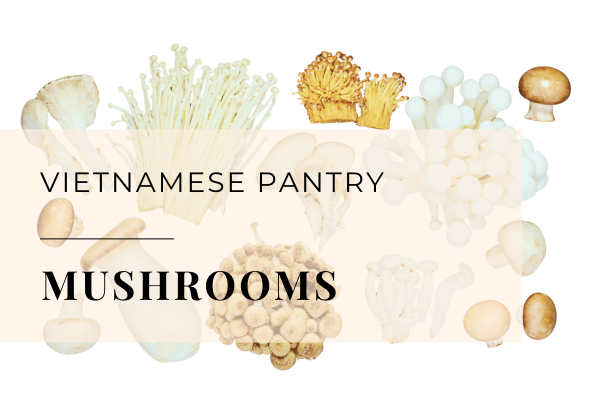
How to Use Mushrooms in Vietnamese Cooking
Understand How to Use Mushrooms in Vietnamese Cooking. Mushrooms show up everywhere in Vietnamese home cooking, especially in dishes shaped by a mindset that values balance, clarity, and nourishment. It’s not about religion—it’s about an approach to food that feels…
-
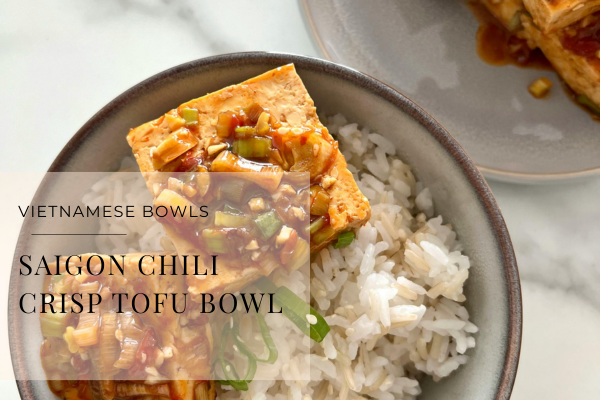
The Saigon Chili Crisp Tofu Bowl
This Saigon Chili Crisp Tofu Bowl is a bright, modern, Vietnamese‑inspired weeknight recipe built around crisp tofu, fresh herbs, and a glossy chili‑lime glaze. It’s the kind of plant‑forward bowl that feels both light and deeply satisfying — crunchy vegetables,…