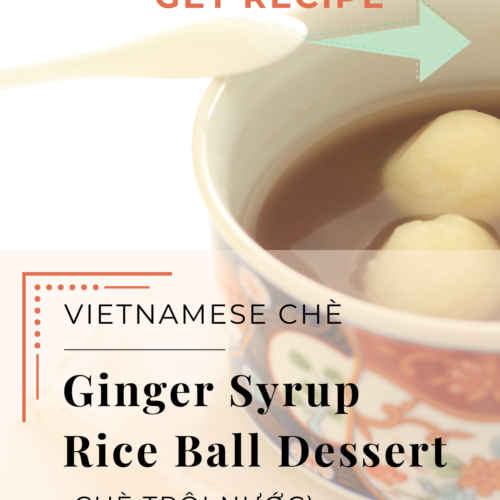
One of the most comforting Vietnamese desserts – Ginger Syrup Rice Ball Dessert (Chè Trôi Nước)
Table of Contents
Introduction: Ginger Syrup Rice Ball Dessert (Chè Trôi Nước)
Chè Trôi Nước is one of the most comforting Vietnamese desserts — soft glutinous rice balls with a sweet mung bean center, floating in a warm, fragrant ginger syrup. It’s simple, aromatic, and deeply soothing. The ginger brings heat and brightness, the syrup is lightly sweet, and the rice balls are chewy, sticky, and satisfying in the way only Vietnamese glutinous rice desserts can be. This is the kind of dessert you find at street stalls, family gatherings, and holiday tables, always served warm and always tied to memory.
Related Recipes:
- Easy Rice Balls: The Definitive Guide to Vietnamese Rice Balls
- Banana-Sweetened: Banana Tapioca Coconut Pudding (Chè Chuối)
- Corn & Coconut Chè: Light & Fresh Sweet Corn Coconut Pudding (Chè Bắp)
- Vietnamese Coffee: Vietnamese Iced Coffee (Cà Phê Sữa Đá)
- Browse More: Chè Vietnamese Desserts & Drinks
What Makes this Vietnamese Chè Dessert Special
This dessert hits a very specific Vietnamese pleasure point: warmth, softness, and aroma. The ginger syrup is not just flavor — it’s comfort. The glutinous rice dough gives that signature chewy‑sticky texture that Vietnamese desserts are known for. And the mung bean filling adds a creamy, earthy sweetness that balances everything out. It’s minimal, but every component has intention.
Chè Trôi Nước Background
Chè Trôi Nước is rooted in the way Vietnamese people celebrate togetherness. It’s especially associated with Tết Hàn Thực (the Cold Food Festival), where families make floating rice balls as a symbol of reunion and continuity. But beyond the holiday, it’s a dessert that shows up in everyday life — at markets, on street corners, in big metal pots that steam up the air. It’s warm, portable, and familiar.
The nostalgia comes from the ritual: rolling the dough, shaping the mung bean filling, simmering the ginger syrup until the whole kitchen smells like warmth. It’s the kind of dessert you learn by watching someone’s hands, not by reading a recipe. For many Vietnamese people, it’s tied to childhood, to grandparents, to the feeling of being taken care of.
Related: Best Vietnamese Chè Desserts to Make at Home
Why You’ll Love this Chè Recipe
This version stays true to the classic flavors while keeping everything clean and modern.
- The ginger syrup is fragrant without being overly sweet.
- The rice balls are soft and chewy with a creamy mung bean center.
- The dessert is naturally gluten‑free and uses pantry‑friendly ingredients.
- It’s warm, soothing, and perfect for cool evenings or when you want something comforting but not heavy.
- Check out more Vietnamese Chè Recipes you’ll love, like Banana Tapioca Coconut Pudding (Chè Chuối) and Vietnamese Coffee Mousse with Salted Coconut Cream
Ingredient Notes
Glutinous rice flour creates the signature chewy texture.
Split mung beans cook down into a smooth, lightly sweet filling.
Fresh ginger is essential — it gives the syrup its aroma and warmth.
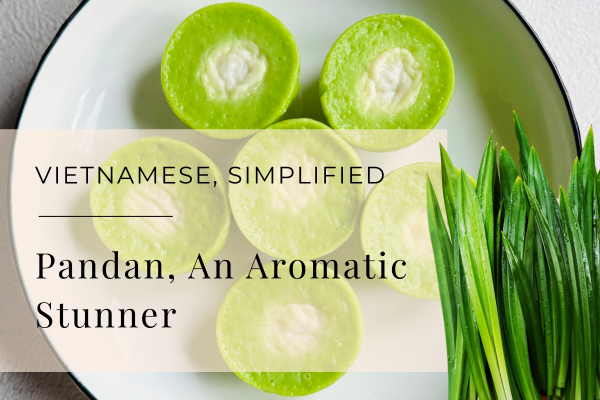
Pandan is optional but adds a classic Vietnamese fragrance.
Coconut cream is a modern, richer topping that many families add for extra depth.
6-Step Overview: Ginger Syrup Rice Ball Dessert
- Make the mung bean filling until smooth and creamy.
- Mix the glutinous rice dough until soft and pliable.
- Wrap the filling inside the dough and roll into balls.
- Simmer the rice balls until they float.
- Make the ginger syrup until fragrant.
- Combine everything and serve warm.
Related Recipe: Simple Pandan Syrup
Relates Recipes: Ginger-Inspired
Ginger Syrup Rice Balls (Chè Trôi Nước)
Equipment
- Small pot
- Medium pot
- Mixing bowl
- Strainer
- Measuring cups & spoons
Ingredients
- 1/2 cup Split mung beans
- 1 1/4 cups Water for mung beans
- 1/4 cup Sugar for filling
- 1/4 teaspoon Salt for filling
- 1 tablespoon Neutral oil
- 1 1/4 cups Glutinous rice flour
- 1/2 cup Warm water for dough plus more as needed
- Pinch Salt for dough
- 3 cups Water for syrup
- 3/4 cup Sugar for syrup
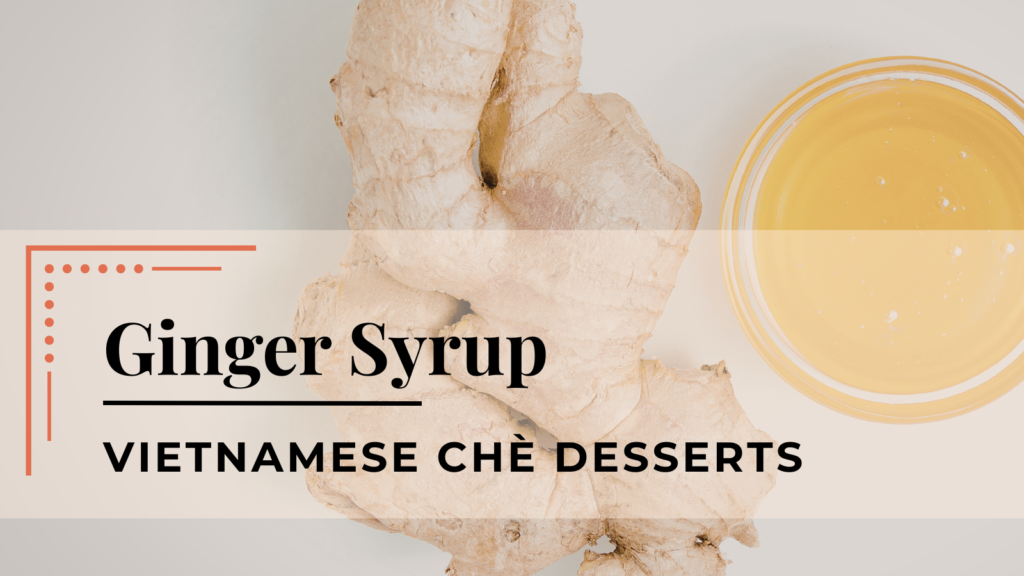
- 4 to 6 slices Fresh ginger
- 1 Pandan leaf tied optional
- Pinch Salt for syrup
- Toasted sesame seeds for serving
- Coconut cream optional
Instructions
- Cook mung beans with water until soft then mash with sugar salt and oil into a smooth paste and let cool.
- Roll mung bean paste into small balls and chill to firm.
- Mix glutinous rice flour warm water and salt into a smooth dough and adjust hydration as needed.
- Divide dough into portions flatten each piece and wrap around mung bean balls then roll to seal.
- Boil water and cook rice balls until they float then simmer briefly and transfer to cool water.
- Simmer water sugar ginger pandan leaf and salt to make a fragrant syrup.
- Add cooked rice balls to the syrup and simmer together briefly.
- Serve warm with sesame seeds and coconut cream if desired.
Notes
- Adjust dough hydration with small amounts of water if cracking.
- Simmer syrup longer for stronger ginger flavor.
- Coconut cream can be lightly salted for a traditional finish.
- Rice balls can be frozen after shaping and cooked from frozen.
Variations of this Chè Recipe to Try
Use Pandan Syrup Instead of Plain Ginger Syrup
If you already have pandan syrup on hand, you can replace part of the sugar in the ginger syrup with pandan syrup. This adds a soft, floral aroma that pairs naturally with ginger. Add the pandan syrup at the end of simmering so the flavor stays bright. Expect a slightly greener tint and a more layered aroma.
Make a Stronger Ginger Version
For a sharper, more warming broth, increase the ginger slices or simmer the syrup longer. Longer simmering extracts more heat and depth. If the syrup becomes too spicy, balance with a small amount of extra sugar.
Coconut Cream Finish
A drizzle of coconut cream adds richness and turns the dessert into a more indulgent version. Lightly salt the coconut cream for a traditional Vietnamese finish. This is especially good if you prefer a creamier, rounder flavor profile.
Sesame‑Forward Version
Toast white sesame seeds until fragrant and sprinkle generously over the finished dessert. For even more aroma, simmer a teaspoon of sesame seeds directly in the syrup, then strain. This gives the broth a nutty warmth.
No‑Filling Rice Balls (Bánh Chay Style)
If you want something simpler, skip the mung bean filling and roll plain glutinous rice dough into small balls. These cook faster and have a softer, more delicate chew. Serve with the same ginger syrup and sesame seeds.
Sweet Potato or Taro Filling
For a variation on the mung bean center, mash cooked sweet potato or taro with sugar and a touch of coconut cream. These fillings are softer and slightly sweeter, and they pair beautifully with ginger syrup.
Color Variations Using Natural Ingredients
You can tint the dough naturally without changing texture.
• Pandan juice for green
• Purple sweet potato for lavender
• Turmeric for warm yellow
These add visual interest while keeping the flavor profile clean and traditional.
Using Frozen Mung Bean Filling
If you batch‑prep fillings, you can freeze the mung bean balls and wrap them directly from frozen. The dough seals more easily around firm fillings, and the final texture stays the same.
Alternative Sweeteners
You can use light brown sugar, palm sugar, or a mix of both for a deeper, caramel‑like syrup. Palm sugar gives the broth a rounder sweetness and a slightly amber color.
Gluten‑Free Confirmation
Glutinous rice flour contains no gluten. If readers are new to Vietnamese desserts, reassure them that “glutinous” refers to texture, not wheat. This dessert is naturally gluten‑free without substitutions.
Serving Suggestions
- Serve warm with toasted sesame seeds for aroma.
- Add a drizzle of coconut cream for richness.
- Pair with hot tea or Vietnamese ginger tea for a full experience.
Rice Balls Storage Suggestions
- Rice balls can be shaped and frozen uncooked.
- Cooked rice balls keep well in syrup for up to two days.
- Reheat gently on the stove to maintain texture.
FAQ: Ginger Syrup Rice Ball Dessert (Chè Trôi Nước)
How do I know if my glutinous rice dough is hydrated correctly?
The dough should feel soft, smooth, and slightly tacky but not sticky. If it cracks when you flatten it, it needs more warm water. If it feels mushy or loses shape, it has too much water and needs a small amount of flour worked back in.
Why does my dough crack when wrapping the filling?
Cracking means the dough is too dry or has been exposed to air. Glutinous rice dough dries quickly, so keep it covered with a damp towel. Add warm water in teaspoon amounts until the dough becomes pliable again.
How thick should the dough layer be around the filling?
Aim for an even layer about the thickness of a nickel. Too thin and the balls may burst in the pot; too thick and the texture becomes dense instead of chewy.
How do I prevent the mung bean filling from crumbling?
Mash the cooked mung beans while they’re still warm and incorporate sugar, salt, and oil until smooth. If the filling is dry, add a teaspoon of warm water or a touch more oil to help it bind.
Why do my rice balls fall apart while boiling?
This happens when the dough is too soft, the filling isn’t sealed well, or the water is boiling too aggressively. Keep the pot at a gentle boil and make sure each ball is fully sealed with no cracks.
How do I know when the rice balls are fully cooked?
They will float to the surface, but don’t stop there. Let them simmer for an additional 2 to 3 minutes to ensure the center is heated through and the texture becomes smooth and chewy.
Why transfer the cooked rice balls to cool water?
This prevents sticking and helps set the outer layer so the balls stay intact when moved into the ginger syrup. It also stops carryover cooking, which can make the texture too soft.
How strong should the ginger flavor be?
The syrup should taste warm and aromatic, not spicy. If you prefer a stronger ginger profile, simmer the syrup longer or add an extra slice or two. If it becomes too sharp, add a bit more sugar to balance.
Can I make the rice balls ahead of time?
Yes. Shape them and refrigerate for up to one day or freeze them uncooked. Cook directly from frozen; they will take a few extra minutes to float.
Why is my syrup cloudy?
Cloudiness usually comes from starch released by the rice balls. Rinsing them briefly in cool water before adding to the syrup keeps the broth clear and clean.
How do I keep the rice balls from becoming too soft when reheated?
Reheat gently over low heat. High heat can break down the glutinous rice structure and make the balls mushy. Add a splash of water if the syrup thickens too much.
Can I adjust the sweetness without affecting texture?
Yes. The syrup is flexible — reducing or increasing sugar won’t change the consistency. The filling can also be adjusted to taste without affecting structure.
Explore More Vietnamese Chè, Desserts, and Drinks
-
Vietnamese Egg Coffee (Cà Phê Trứng)
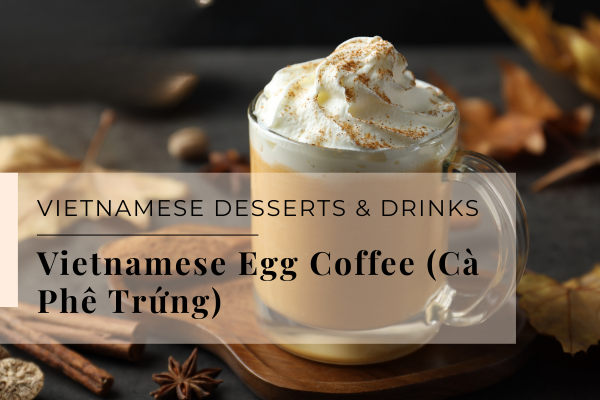
Vietnamese Egg Coffee (Cà Phê Trứng) – A silky Hanoi classic made with strong Vietnamese coffee and a whipped egg‑yolk cream. This post may contain affiliate links. As an Amazon Associate, we earn from qualifying…
-
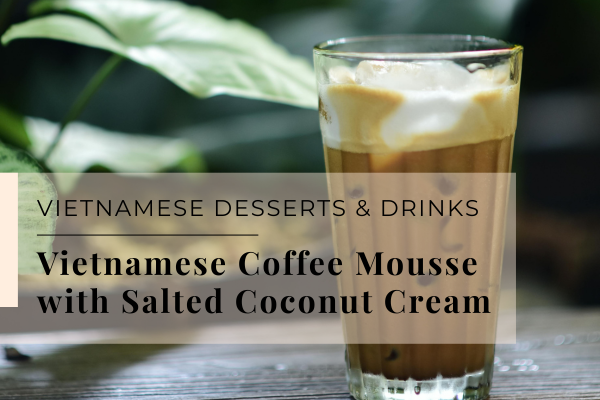
Vietnamese Coffee Mousse with Salted Coconut Cream
Vietnamese Coffee Mousse with Salted Coconut Cream – A light, airy mousse infused with bold Vietnamese coffee and finished with a silky salted coconut cream. It’s a modern Vietnamese dessert that feels elegant but stays…
-
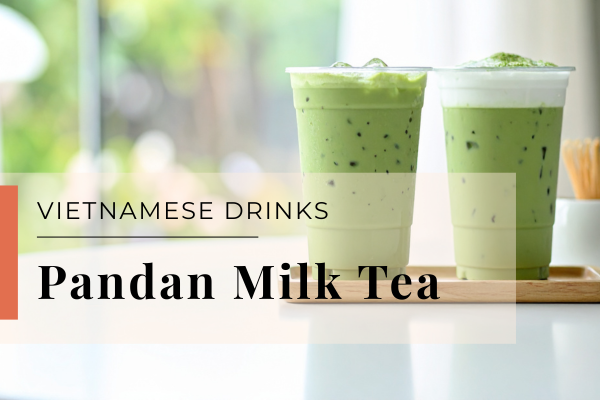
Simple Pandan Milk Tea
Simple Pandan Milk Tea – A Cozy Aromatic Twist on Milk Tea Pandan Milk Tea is one of those drinks that feels instantly comforting — warm, fragrant, and naturally green without any food coloring. It…
-
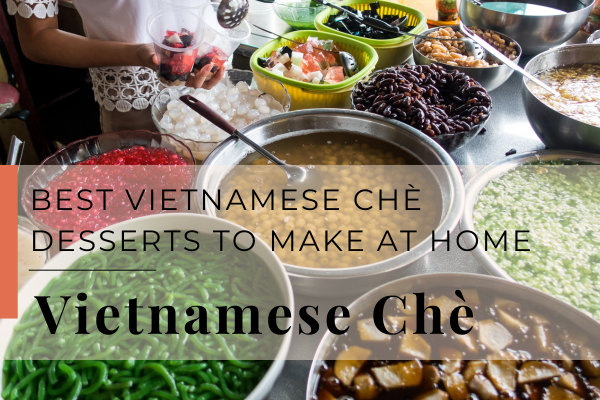
Best Vietnamese Chè Desserts to Make at Home
Best Vietnamese Chè Desserts to Make at Home are simple classics using basic Vietnamese pantry ingredients like Coconut, Tapioca, and Pandan. The Best Vietnamese Chè Desserts to Make at Home Vietnamese chè desserts are light,…
-
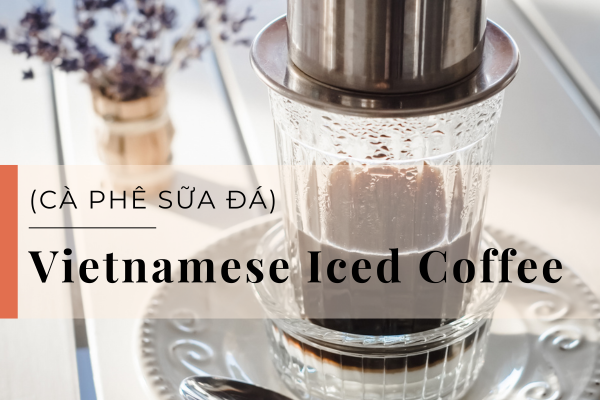
Vietnamese Iced Coffee (Cà Phê Sữa Đá)
One of the most ICONIC and defining Vietnamese drinks – Vietnamese Iced Coffee (Cà Phê Sữa Đá) Bold, aromatic coffee slowly brewed through a phin filter, stirred with sweetened condensed milk, and poured over ice.…
-
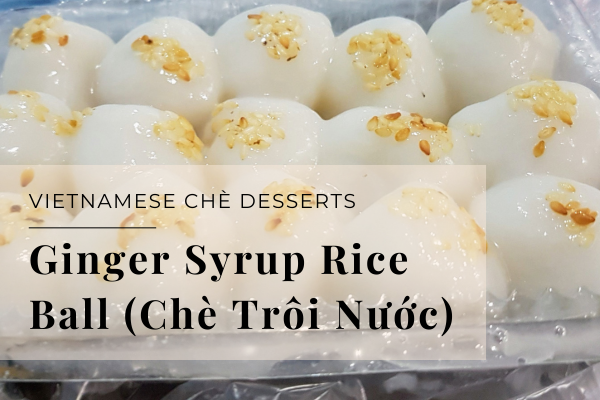
Ginger Syrup Rice Ball Dessert (Chè Trôi Nước)
One of the most comforting Vietnamese desserts – Ginger Syrup Rice Ball Dessert (Chè Trôi Nước) Introduction: Ginger Syrup Rice Ball Dessert (Chè Trôi Nước) Chè Trôi Nước is one of the most comforting Vietnamese…
-
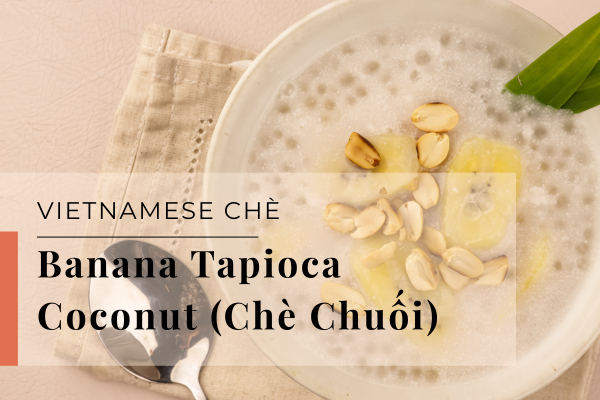
Banana Tapioca Coconut Pudding (Chè Chuối)
Banana Tapioca Coconut Pudding (Chè Chuối) – a classic comfort food dessert. Related: Best Vietnamese Chè Desserts to Make at Home Banana Tapioca Coconut Pudding (Chè Chuối) A Light, Comforting Vietnamese Dessert Vietnamese chè chuối…
-
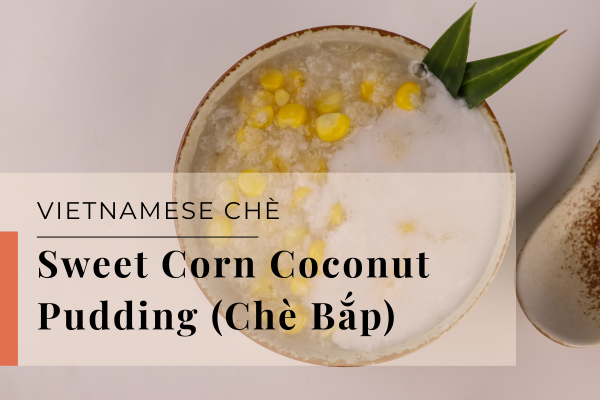
Light & Fresh Sweet Corn Coconut Pudding (Chè Bắp)
Light & Fresh Sweet Corn Coconut Pudding (Chè Bắp) – A modern, lighter take on a classic Vietnamese dessert. Vietnamese chè bắp is one of the simplest, most comforting desserts in the chè family —…
-
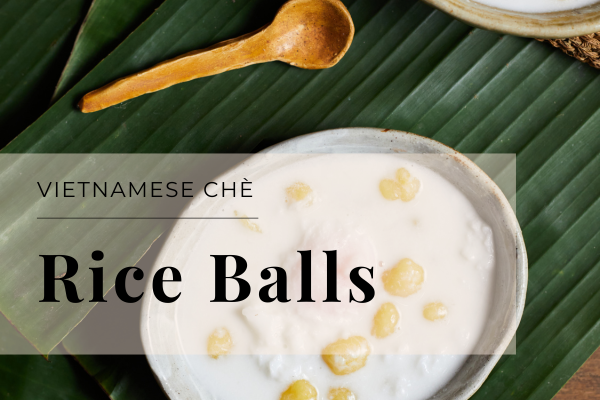
The Definitive Guide to Vietnamese Rice Balls
Consider this the definitive guide to Vietnamese rice balls! A modern guide to chè trôi nước, floating rice balls, and the quiet craft behind them. Vietnamese rice balls — whether floating in ginger syrup, tucked…
-
Getting Started with Pandan, The Quiet Aromatic Stunner
Getting Started with Pandan, The Quiet Aromatic Stunner. Brings an earthy, uniquely Vietnamese lift to everything it touches. Getting Started with Pandan, The Quiet Aromatic Stunner. Pandan is one of those ingredients that feels both…
Browse More: Vietnamese Desserts
Easy Vietnamese Bowls: Cook on Repeat
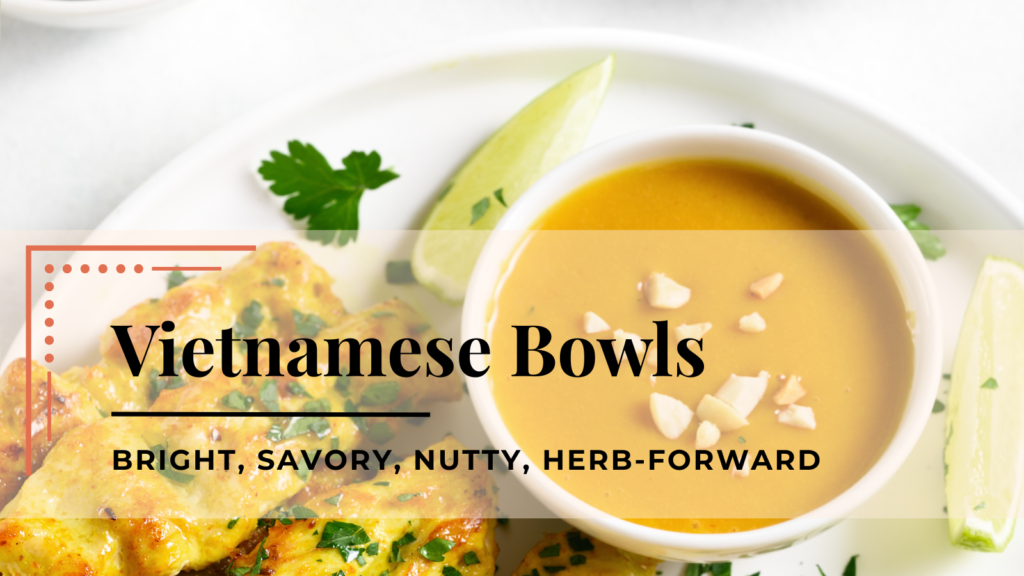
Vietnamese bowl recipes are the perfect mix of fresh herbs, bright sauces, warm rice or noodles, and clean, aromatic proteins — all layered into one balanced, craveable meal. They’re fast, flexible, and naturally healthy, built on the Vietnamese logic of contrast: something warm, something crisp, something bright, something savory. These bowls feel restaurant‑level but are easy enough for weeknights, with flavors that stay light, modern, and deeply satisfying. If you love meals that are fresh, vibrant, and endlessly customizable, Vietnamese bowls are the kind of recipes you’ll cook on repeat.