
Vietnamese Sauces & Marinades are built on bright, balanced sauces that wake up every bowl, noodle dish, and grilled protein. From iconic nước chấm to fragrant lemongrass marinades, these sauces layer sweet, salty, sour, and umami in a way that feels effortless and deeply satisfying. This hub brings together the essential Vietnamese sauces, quick marinades, and foundational pantry ingredients that make these flavors possible. Whether you’re building your Vietnamese pantry, exploring new recipes, or looking for reliable everyday sauces to keep in rotation, this page is your guide to cooking boldly and intuitively at home.
This page may contain affiliate links. As an Amazon Associate, we earn from qualifying purchases. These small commissions help support the development of new recipes, pantry guides, and cooking resources on Lemongrass Cooking.
In This Cooking Guide: Vietnamese Sauces & Marinades
Essential Vietnamese Sauces
These sauces are the backbone of Vietnamese cooking — the ones you’ll reach for again and again. Each one brings a different balance of brightness, heat, umami, and aromatics, and they’re designed to pair effortlessly with bowls, noodles, grilled meats, and fresh herbs.
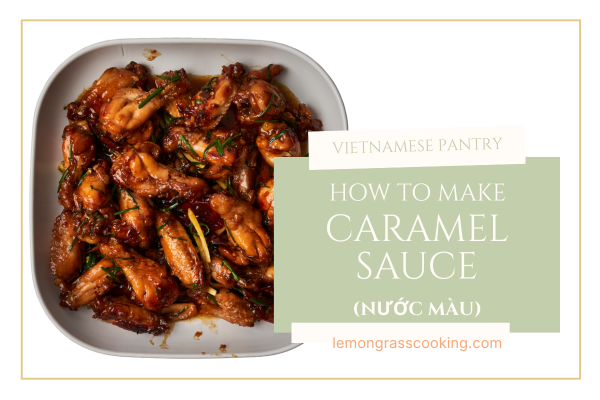
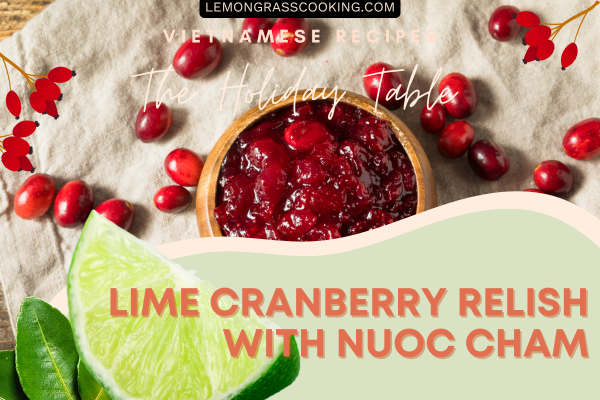
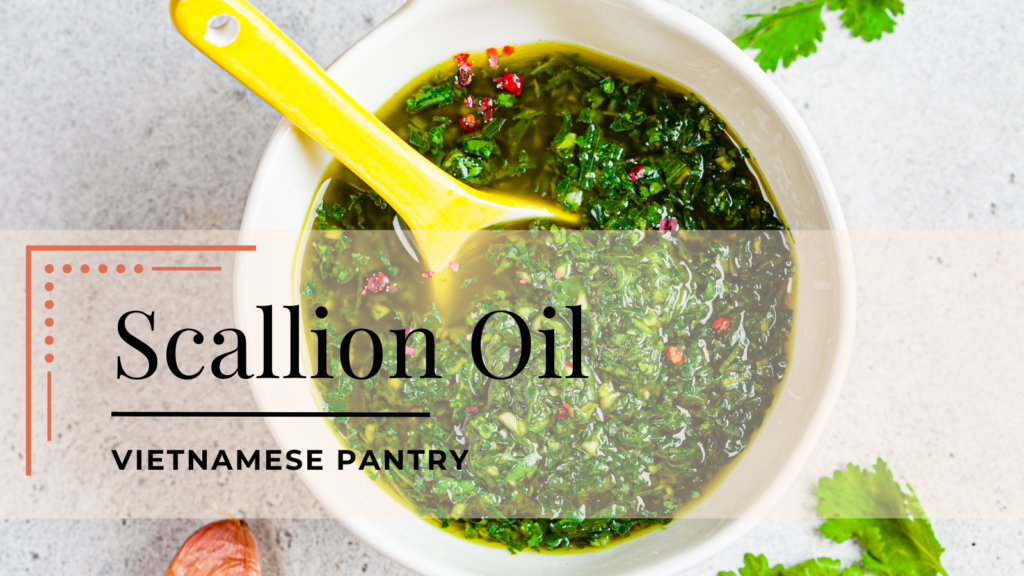
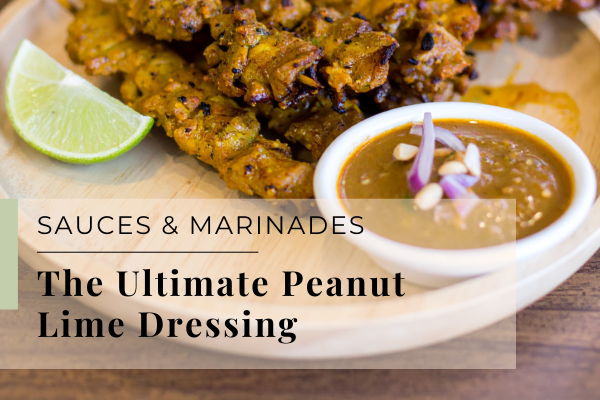
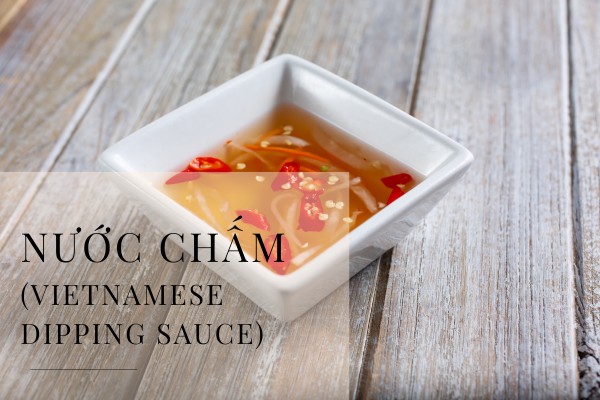
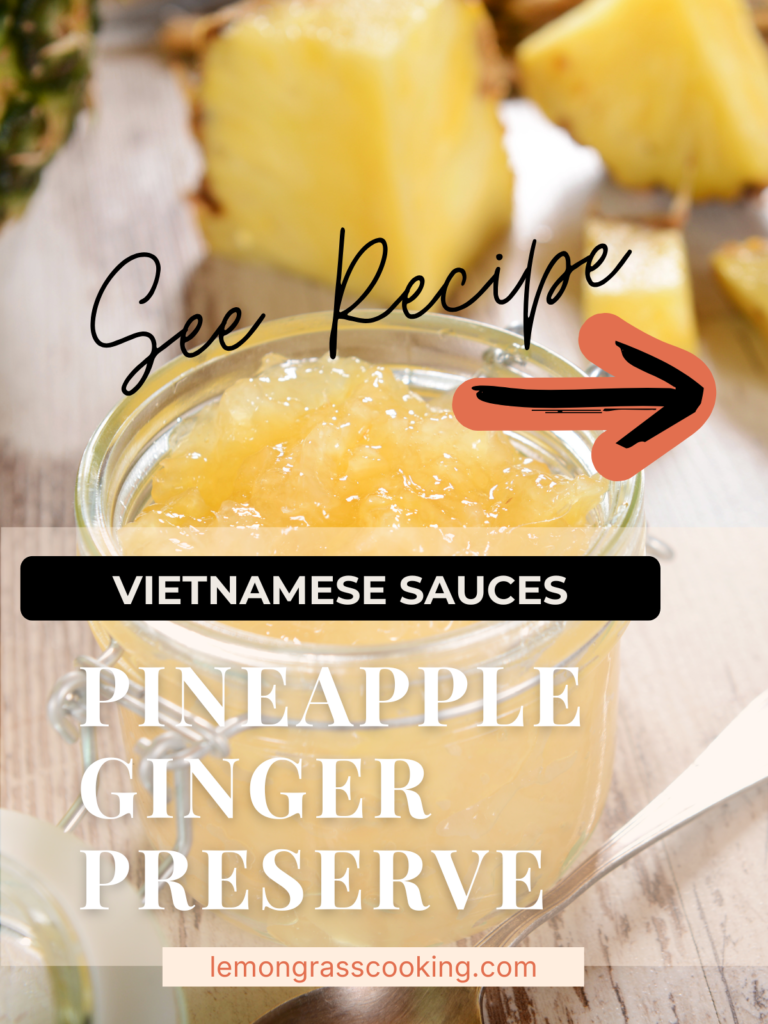
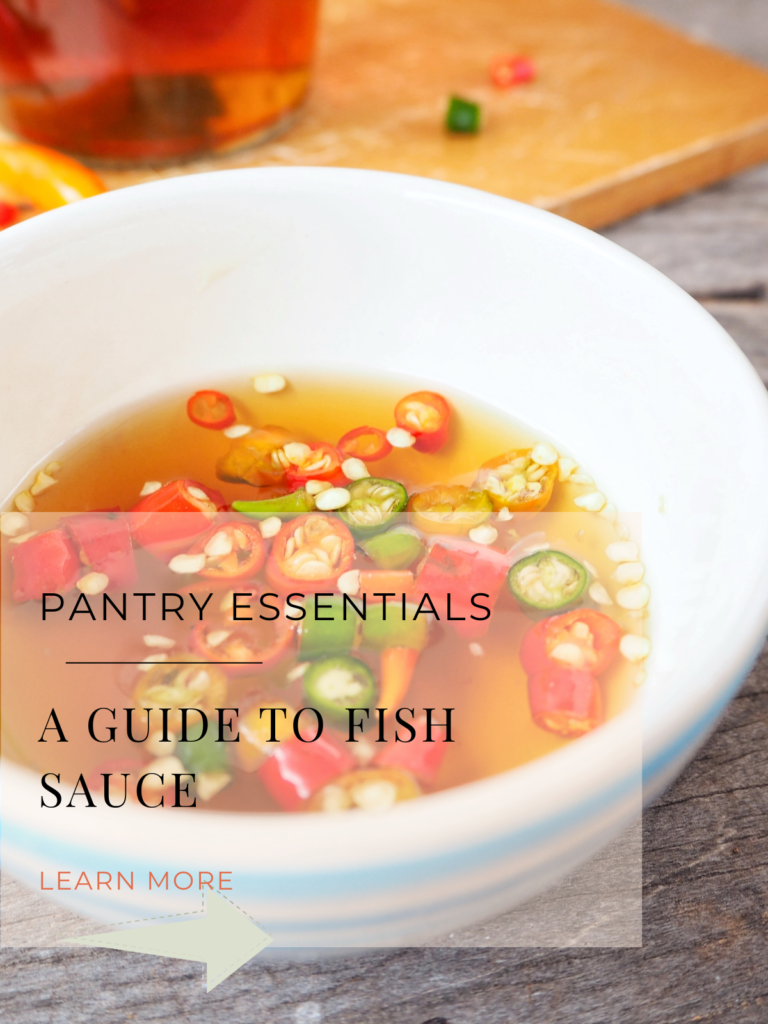
Vietnamese Marinades
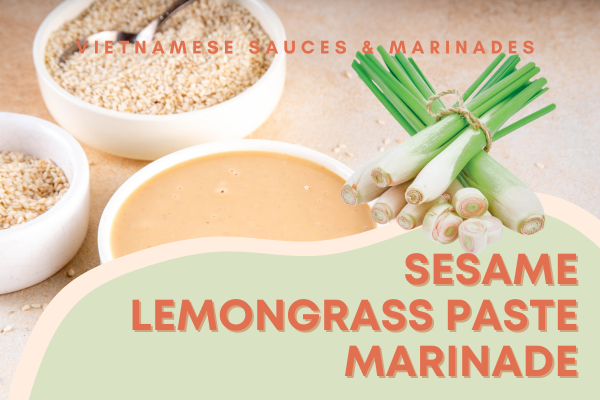
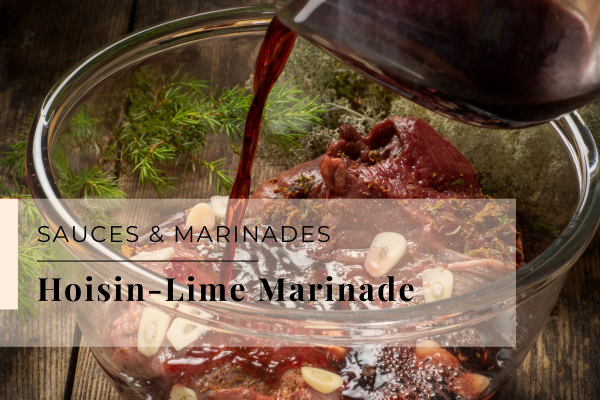
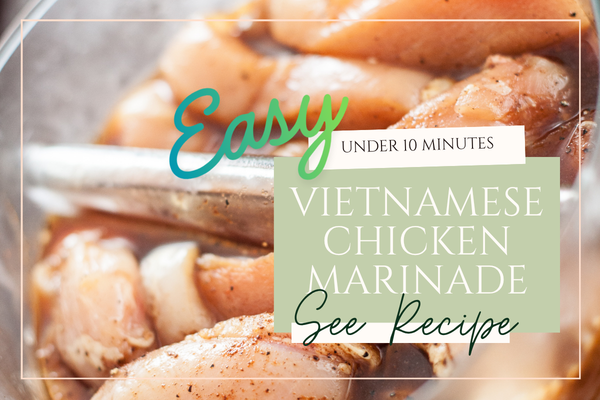
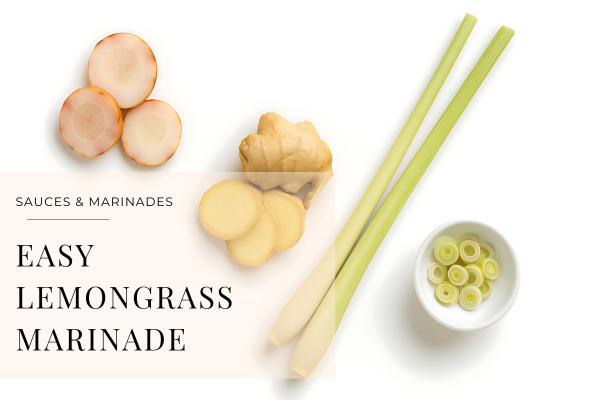
Vietnamese marinades are all about layering aromatics — lemongrass, garlic, shallots, fish sauce, and warm spices — to create deeply flavorful proteins with minimal effort. These marinades work across chicken, pork, tofu, seafood, and vegetables.

Pantry Staples & Shopping Guide for Sauces
A well‑stocked Vietnamese pantry makes every sauce faster, easier, and more consistent. These ingredients form the backbone of the cuisine’s flavor profile.
Top Pick Fish Sauce
The defining ingredient of Vietnamese cooking. High‑quality fish sauce adds umami, depth, and complexity to sauces, marinades, and dressings. Red Boat is prized for its clean, balanced flavor. Clean, savory, and deeply umami — the backbone of most Vietnamese sauces. Shop Red Boat Fish Sauce
Lemongrass Paste (or fresh if available)
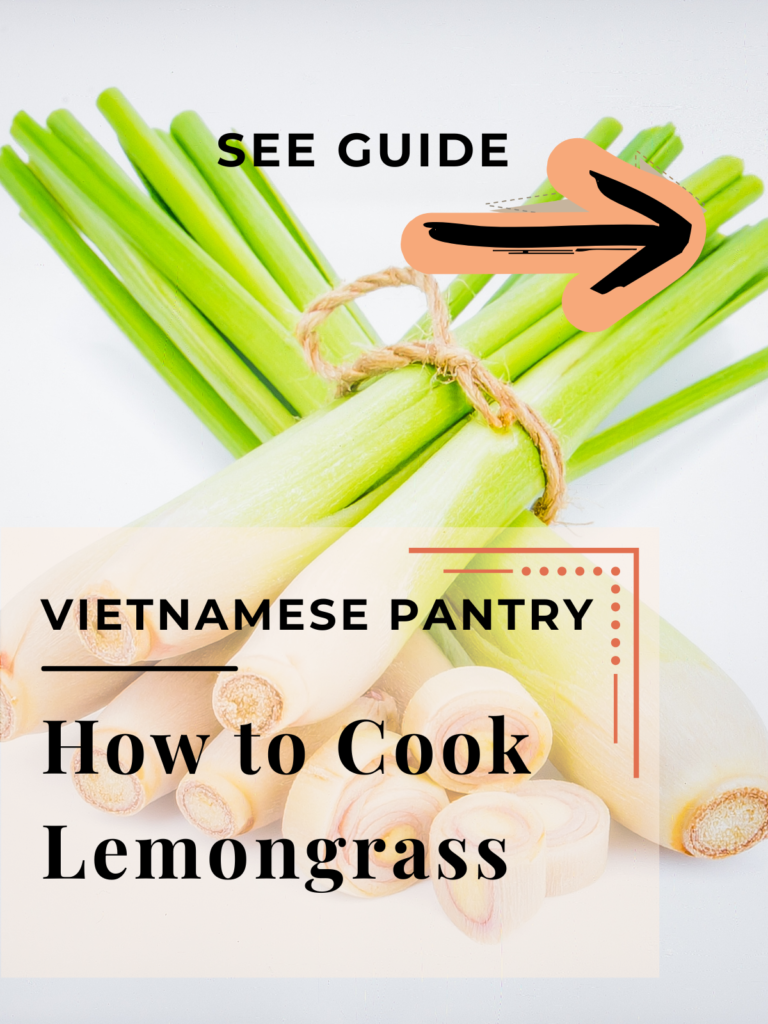
Bright, citrusy, and aromatic. It’s used in marinades, stir‑fries, soups, and grilled dishes. Fresh lemongrass is ideal, but frozen or pre‑minced versions work well for quick cooking. Shop Lemongrass Paste Options
Limes
Adds acidity and freshness to dipping sauces and dressings. Essential for balancing fish sauce and sugar. Lime juice adds brightness and acidity to dipping sauces and dressings.
Garlic & Shallots
The aromatic base for nearly every sauce and marinade. They add sweetness, depth, and fragrance.
Thai Chili Peppers
For heat, brightness, and depth. They’re small but powerful and essential for nước chấm and chili‑lime sauces.
Coconut Milk
Adds richness and creaminess to marinades and sauces. It helps tenderize proteins and balances spices. Shop Our Favorite Coconut Milk
Rice Vinegar
Clean acidity that complements fish sauce and sugar. It’s used in pickles, dressings, and dipping sauces. Shop Rice Vinegars
Palm Sugar or White Sugar
Sweetness is essential for balancing salty and sour elements. Palm sugar adds a subtle caramel note. Shop Natural Sugar Sweeteners
How to Use These Sauces
Vietnamese sauces are incredibly versatile. Use them to build bowls, brighten proteins, or add instant flavor to weeknight meals.
For Bowls
Drizzle nước chấm or peanut sauce over rice bowls, noodle bowls, or salad bowls. They add brightness and balance to proteins, herbs, and vegetables.
For Grilled Meats
Lemongrass marinades and honey‑garlic fish sauce marinades caramelize beautifully on the grill, creating smoky, aromatic layers.
For Fresh Herbs & Veggies
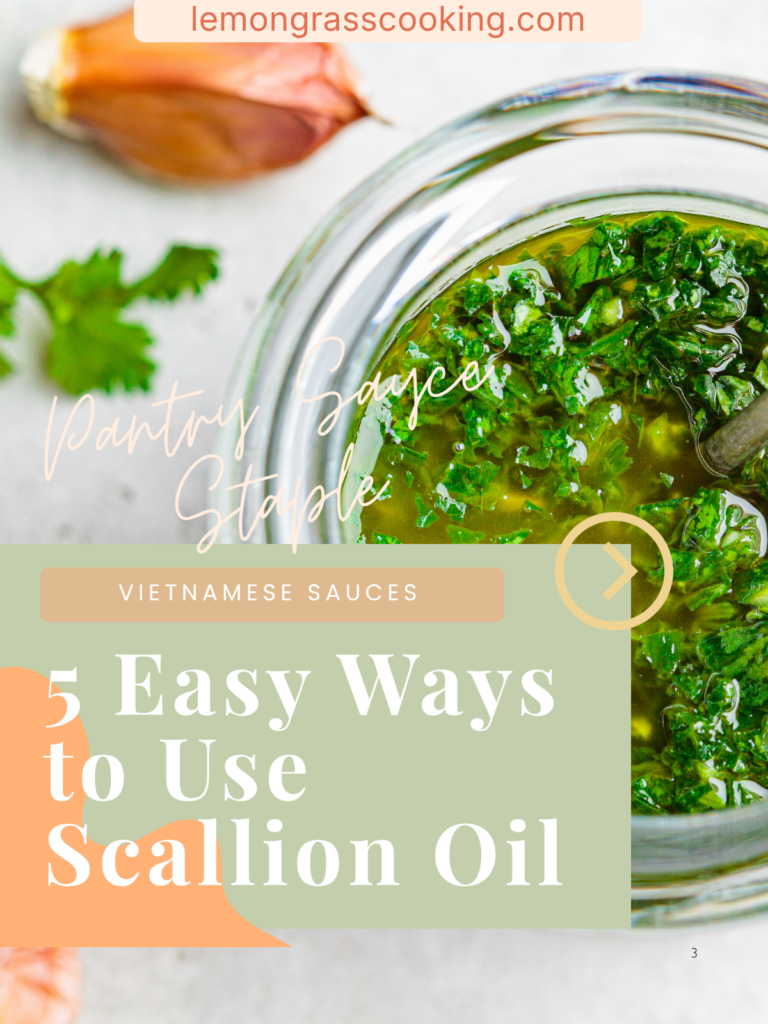
Scallion oil and lime chili fish sauce add richness and acidity to steamed or roasted vegetables.
For Meal Prep
Most sauces keep well and can be used across multiple proteins throughout the week. A jar of nước chấm or scallion oil instantly upgrades leftovers.
For Weeknight Shortcuts
A spoonful of scallion oil or a quick nước chấm can transform rice, noodles, or grilled tofu into a complete meal. Related: Top Vietnamese Cooking Pantry Tips
Browse Recipes:
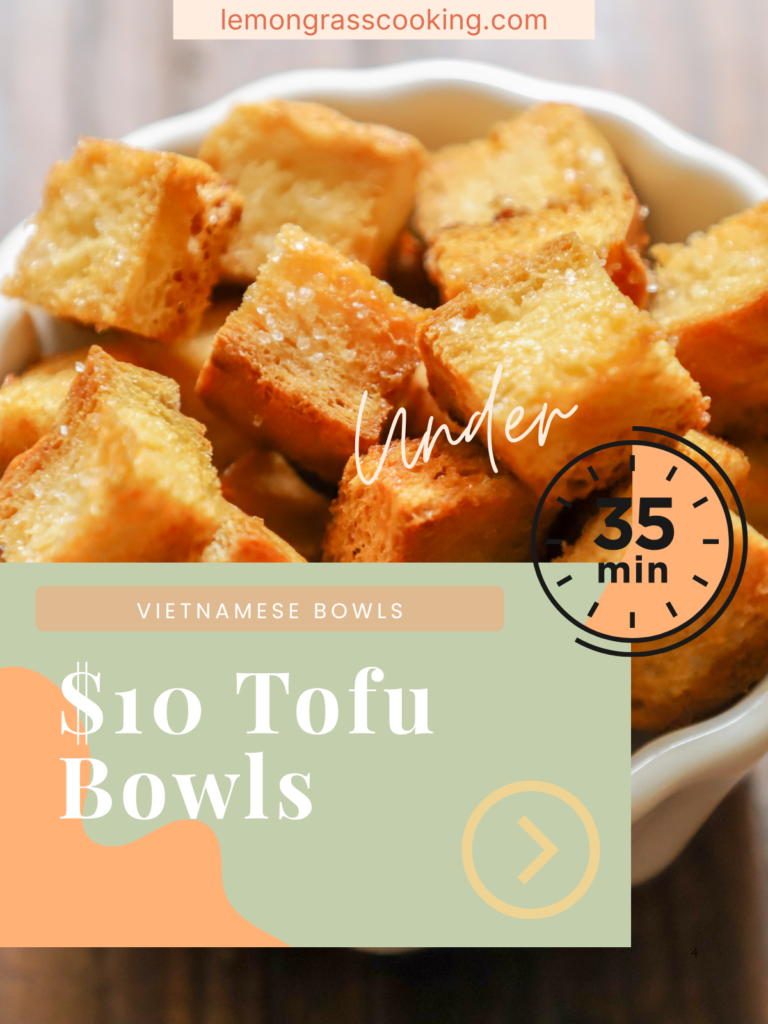
Explore Recently Added Sauces
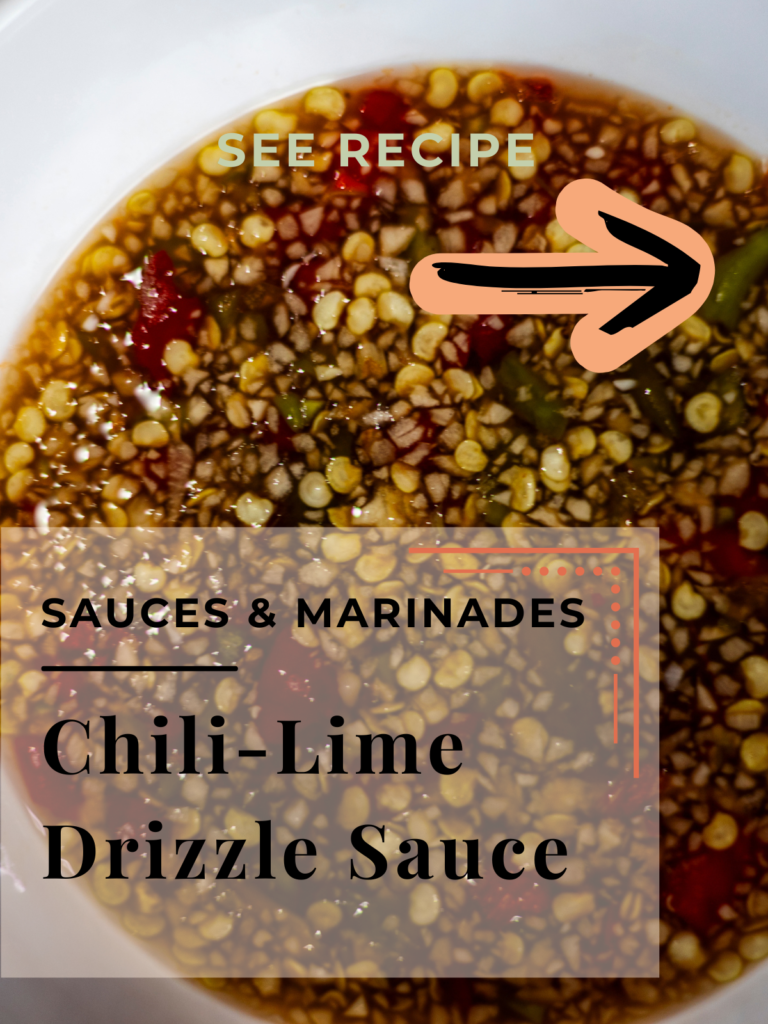


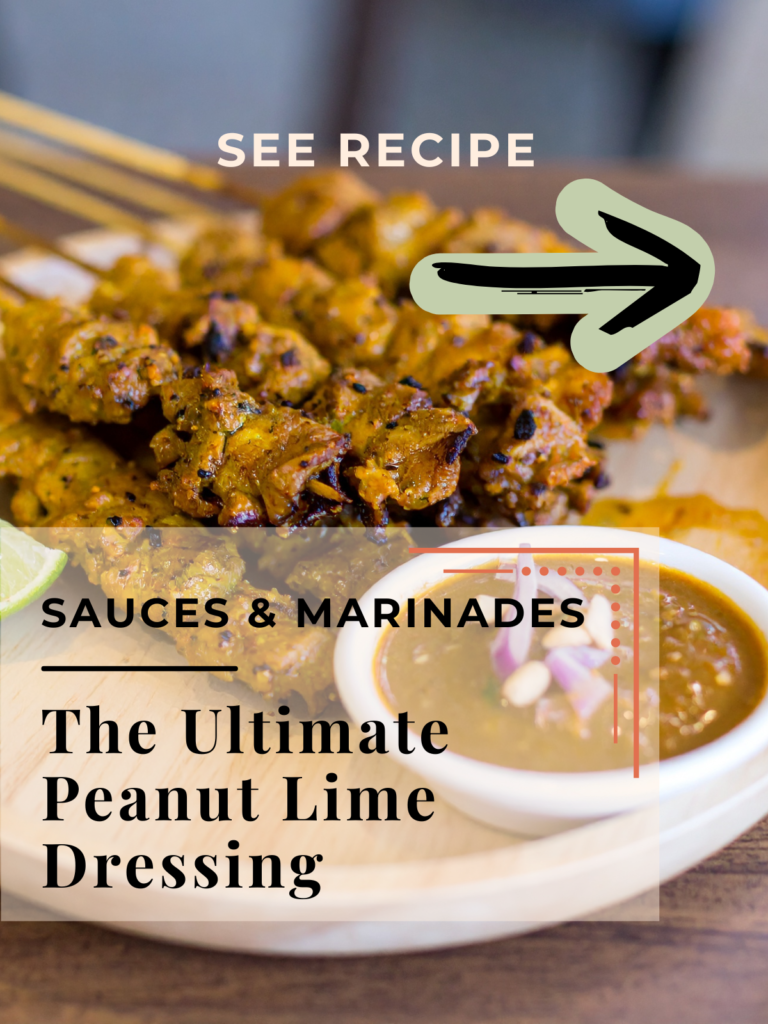
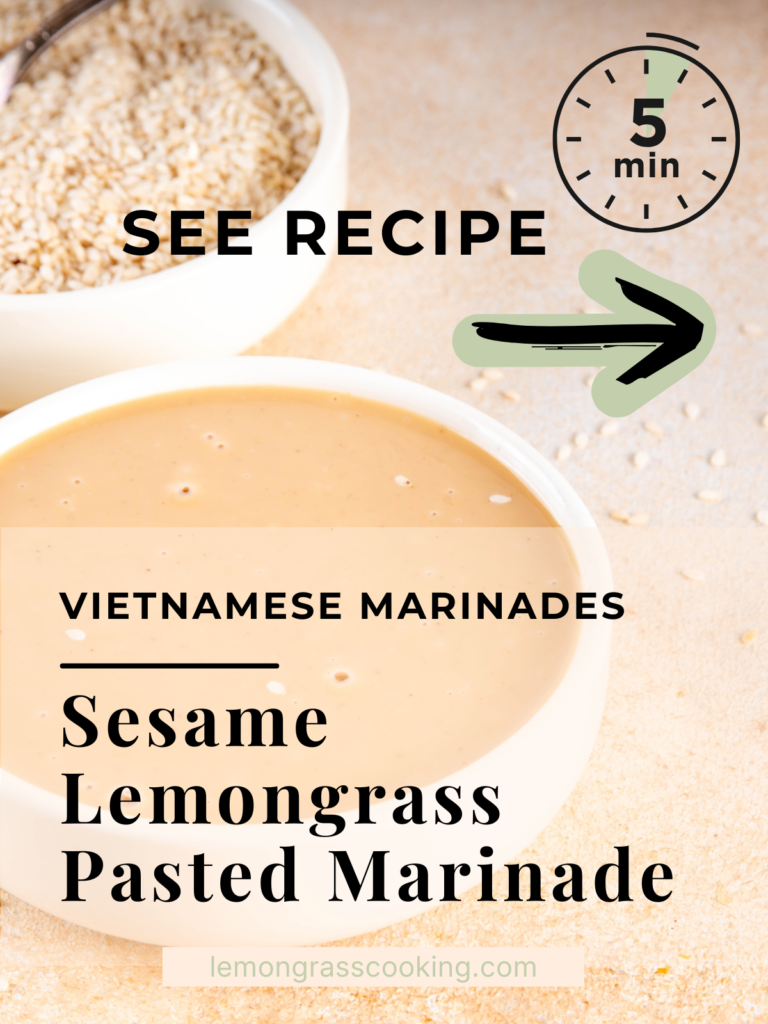
FAQ: Vietnamese Sauces & Marinades
Q: What are the essential Vietnamese sauces? A: Nước chấm, scallion oil, peanut sauce, and ginger fish sauce are the core sauces used across bowls, noodles, grilled meats, and fresh rolls. They balance sweet, salty, sour, and umami flavors.
Q: What is nước chấm made of? A: Nước chấm is typically made with fish sauce, lime juice, sugar, water, garlic, and chili. It’s the most versatile Vietnamese dipping sauce.
Q: What is the best Vietnamese marinade for chicken? A: Lemongrass marinades are the most popular for chicken because they add brightness, aroma, and caramelization when grilled or roasted.
Q: How long can Vietnamese sauces be stored? A: Most sauces keep for 1–2 weeks in the refrigerator. Sauces with fresh aromatics (like garlic or chili) should be used sooner for best flavor.
Q: What fish sauce is best for Vietnamese cooking? A: Many cooks prefer first‑press, high‑quality fish sauces like Red Boat for their clean, balanced flavor.
Q: Are Vietnamese sauces spicy? A: They can be, but heat is always adjustable. Most sauces are built for balance, not intensity.
Closing Note on Vietnamese Sauces & Marinades
Vietnamese sauces and marinades look layered and complex, but at their core, they’re built on a few familiar pantry ingredients used in different ratios. Fish sauce, lime, sugar, garlic, chili, and a handful of aromatics like lemongrass or scallions can carry you surprisingly far. That’s the heart of Vietnamese cooking: simple building blocks used with intention.
Once you understand how these flavors balance — a little more lime for brightness, a touch of sugar for roundness, a splash of fish sauce for depth — the sauces stop feeling like recipes and start feeling like intuition. You don’t need specialty tools or long ingredient lists. You just need a small set of go‑to staples and the confidence to taste as you go.
If you keep these sauces in rotation, you’ll start to see how they transform everyday cooking. A spoonful of nước chấm over leftovers, a quick lemongrass marinade on weeknight chicken, a drizzle of scallion oil on vegetables — these are the small, unfussy touches that make Vietnamese food feel vibrant and alive. And once you have the pantry, you can make any of them in minutes.
Vietnamese cooking isn’t about complication. It’s about balance, freshness, and using what you already have. With a few core ingredients and a little practice, these sauces become second nature — the kind of everyday flavor you can reach for without thinking.
Browse More Vietnamese Pantry Tips
Build Your Vietnamese Pantry
Browse Vietnamese Pantry Tips: