Approach and tips on how to make thit kho inspired Vietnamese Bowl.
What Thit Kho Is at Its Core
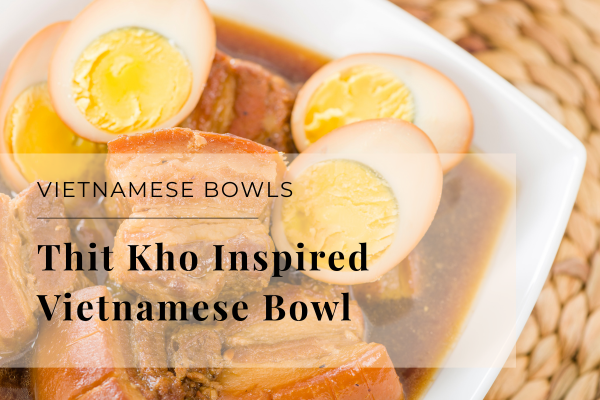
Thịt kho is traditionally pork belly or pork shoulder simmered low and slow in a caramel‑based sauce. The caramel (nước màu) gives the dish its signature amber color and bittersweet depth. Coconut water or coconut soda adds gentle sweetness and rounds out the savory notes from fish sauce. The eggs — optional but iconic — absorb the braising liquid and become little flavor bombs.
There are so many great Thi Kho recipes out there that are tried and true. Here are a couple of authentic recipe posts for reference:
Hungry Huy Thịt Kho Recipe – (Vietnamese Braised Pork with Eggs)
Wok & Kin Thit Kho (Vietnamese Braised Pork Belly and Eggs in Coconut Water)
Core Flavor Structure for a Modern, Bright Interpretation
These tips keeps the dish recognizable, but lighter for a weeknight Vietnamese Bowl version.
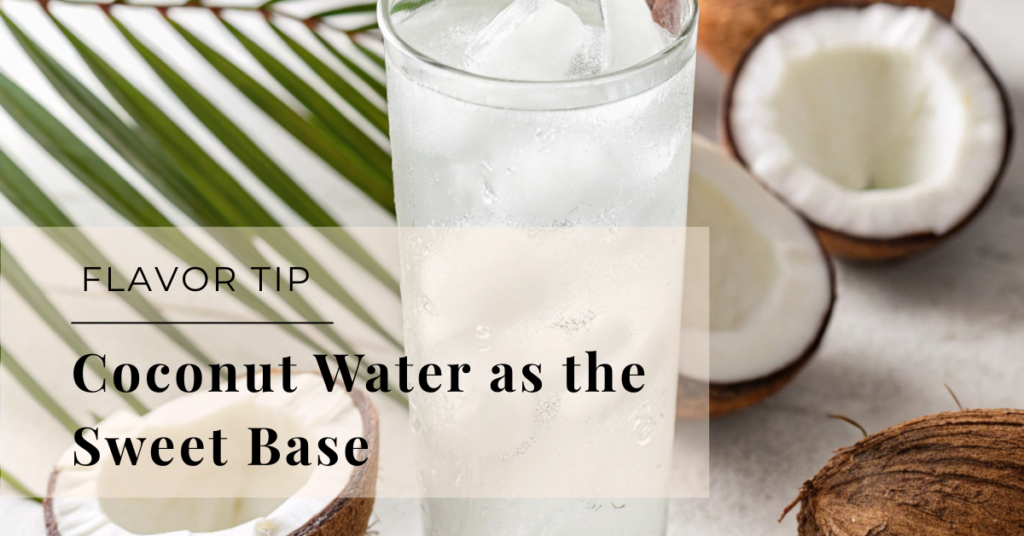
Coconut water as the sweet base. Coconut water gives the signature round sweetness without weight. It reduces quickly, stays clean, and keeps the pork glossy rather than sticky.
Quick nước màu for depth. A small amount of caramel adds color and complexity. In a modern bowl, you use less than a traditional braise so the sauce stays light.
A Note on Nước màu: is the Vietnamese savory caramel sauce that gives dishes like thịt kho, cá kho, and many braises their signature deep amber color and subtle bittersweet depth. It’s one of the quiet backbone ingredients of Vietnamese home cooking, made from nothing more than sugar and water, cooked until it turns a glossy, dark caramel. It’s not a dessert caramel—it’s a cooking caramel used to build color, aroma, and complexity in savory dishes
Fish sauce for umami. This anchors the dish in Vietnamese logic. A splash at the end keeps it bright.
Aromatics that stay light. Garlic, shallot, and black pepper are enough. You don’t want ginger or lemongrass here — they shift the flavor away from thịt kho.
Fresh, Bright Elements That Pair Naturally with Thit Kho Flavors
These are the components that modernize the bowl without breaking the flavor logic.
- Herbs: Thai basil, cilantro, scallions
- Crunch: crispy shallots, crispy garlic
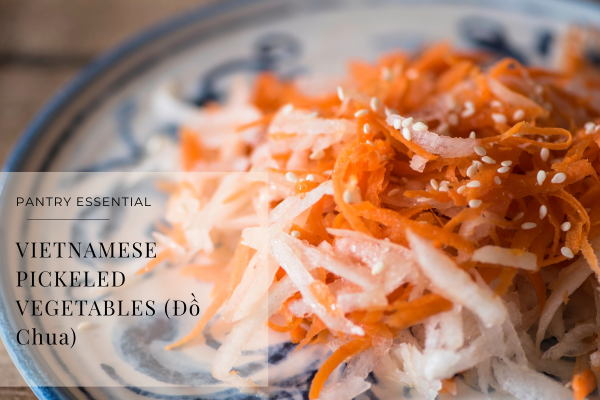
- Fresh veg: cucumber ribbons, shaved cabbage, pickled carrot/daikon
- Acid: lime wedges or a tiny splash of rice vinegar
- Heat: thin red chili slices or chili threads
Protein Choices That Stay Light But Still Caramelize
For a modern bowl, the protein should cook fast and take on color easily.
- Thin-sliced pork shoulder
- Ground pork (cleanest caramelization, fastest)
- Pork loin strips (leanest, brightest)
Ground pork gives you the most control over texture and gloss.
Sauce Structure for a Bright, Modern Bowl
This is the cleanest, most aligned version of the sauce components:
- 1–2 tsp nước màu
- ¼–½ cup coconut water
- 1–2 tsp fish sauce
- 1–2 tsp palm sugar or brown sugar
- Black pepper
- Optional: a splash of coconut soda for lift
Reduce until glossy but still light — not syrupy.
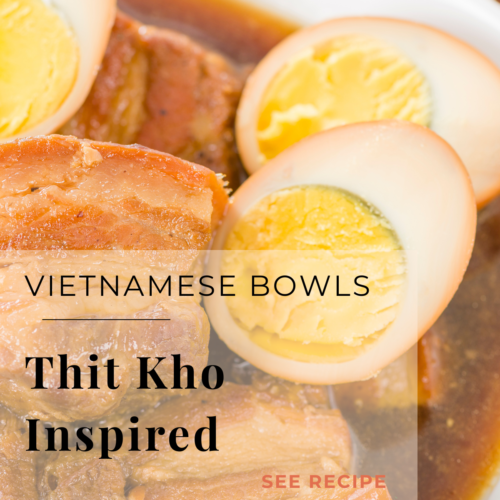
Thit Ko Inspired Vietnamese Bowl
Equipment
- Cutting board & knife
- Large skillet
- Small mixing bowl (for sauce)
- Tongs, spatula
Ingredients
Pork & Sauce
- 1 lb thin‑sliced pork shoulder or 1 lb ground pork as alternative
- 3 cloves garlic minced
- 1 small shallot finely chopped
- 1-2 tsp nước màu Vietnamese caramel sauce
- ½ cup coconut water
- 1 tbsp fish sauce
- 1-2 tsp palm sugar or brown sugar
- ½ tsp freshly ground black pepper
- 1 tbsp neutral oil
Bowl Base
- 3 cups cooked jasmine rice or rice noodles
Fresh & Bright Toppings
- 1 cup cucumber ribbons or thin slices
- ½ cup pickled carrot & daikon
- ½ cup Thai basil leaves
- ¼ cup cilantro leaves
- 2 scallions thinly sliced
- Crispy shallots or crispy garlic
- Lime wedges
- Thin red chili slices or chili threads optional
Instructions
- Prep the sauce. In a small bowl, whisk together nước màu, coconut water, fish sauce, palm sugar, and black pepper. Set aside.
- Sauté aromatics. Heat oil in a skillet over medium-high. Add garlic and shallot; cook 30–60 seconds until fragrant.
- Cook the pork. Add thin‑sliced pork (or ground pork). Sear until lightly browned, breaking up pieces if using ground. Do not over‑stir; let edges caramelize.
- Add the sauce. Pour the coconut water mixture over the pork. Bring to a simmer.
- Reduce to glossy. Cook 5–7 minutes, stirring occasionally, until the sauce reduces and coats the pork in a light, shiny glaze. It should be saucy but not heavy.
- Assemble bowls. Divide rice into 4 bowls. Top with caramelized pork.
- Add fresh elements. Layer on cucumber, pickled carrot/daikon, Thai basil, cilantro, and scallions. Add crispy shallots or garlic for crunch.
- Finish. Add lime wedges, chili slices, and optional jammy egg. Serve warm.
Notes
- Nước màu: Store‑bought works perfectly. If making your own, cook sugar until amber and deglaze with water.
- Coconut water vs coconut soda: Coconut water keeps the bowl clean and modern; coconut soda adds extra sweetness and lift if you want a more classic Southern profile.
- Protein swap: Ground pork caramelizes fastest and gives a more modern texture; thin‑sliced pork reads more traditional.
- Make‑ahead: Pork reheats beautifully; keep fresh toppings separate until serving.
- Base flexibility: Rice noodles or shredded cabbage keep the bowl lighter and brighter.
Optional Nod to the Egg
A full braised egg is too heavy for a bright bowl, but opt for any of these alternatives to keep your weeknight bowl light:
- a jammy egg brushed with a little caramel sauce
- or a soy‑marinated egg sliced thin