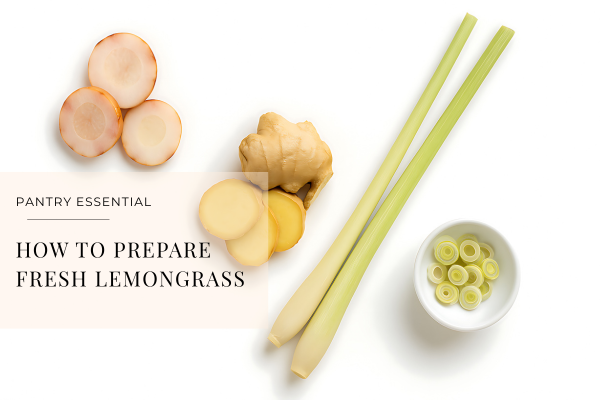
Lemongrass is part of the everyday rhythm of Vietnamese cooking – learn how to prepare fresh lemongrass. Lemongrass has a clean, bright aroma — citrusy like lemon zest, but softer, with a hint of ginger and something almost floral. When you slice into the tender core, the fragrance blooms instantly. It’s one of the signature flavors in Vietnamese cooking, and once you know how to prep it, you’ll reach for it all the time.
Lemongrass carries weight in Vietnamese cooking because it represents a very old instinct in the cuisine: using aromatics not just for flavor, but for balance, clarity, and grounding. It’s one of the ingredients that signals “home” across regions, and it shows up in everyday dishes as well as celebratory ones.
The good news: it’s far less intimidating than it looks. With a few simple cuts, you can turn a firm stalk into something fragrant, tender, and ready for marinades, soups, stir‑fries, and broths. Check out our Seared Lemongrass Beef Bowl – Lemongrass Cooking where we explain how easy it is to incorporate this everyday Vietnamese aromatic into your meals.
How Lemongrass Became a Core Vietnamese Aromatic
Lemongrass grows easily in Vietnam’s climate, so it became a practical, abundant ingredient long before refrigeration. Its natural oils help neutralize strong flavors in meats and seafood, which made it essential in coastal and rural cooking. Over time, it evolved from a functional aromatic into a defining flavor of the cuisine.
In bowls, soups, and grilled dishes, lemongrass acts like a bridge between components. It ties together proteins, broths, herbs, and sauces so the dish feels cohesive. It’s also one of the aromatics that makes Vietnamese food feel both comforting and refreshing at the same time.
Understanding Lemongrass (What Part to Use & Why It Matters)
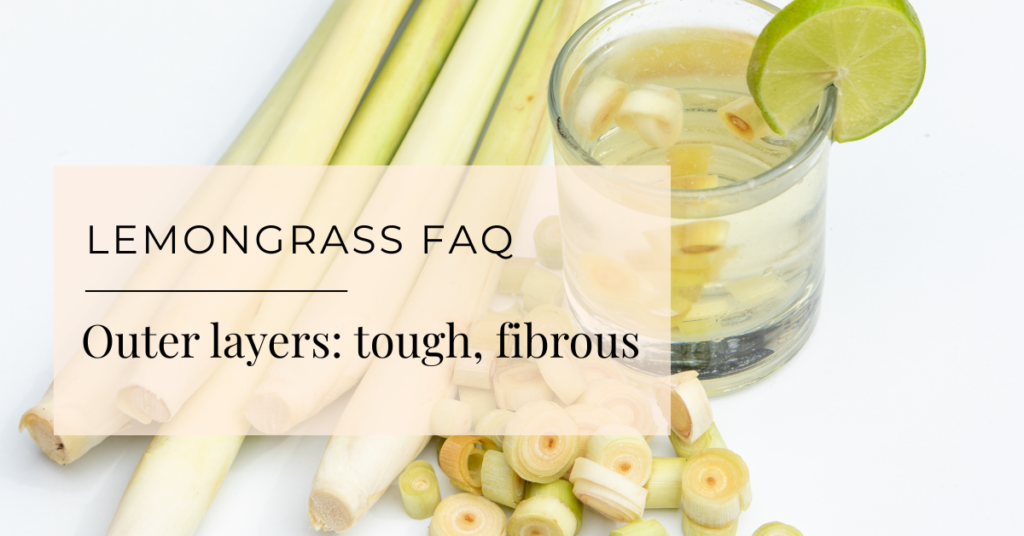
The outer layers
These are tough, fibrous, and almost impossible to chew. Their job is aroma, not texture. They’re perfect for simmering in broths or teas, then removing before serving.
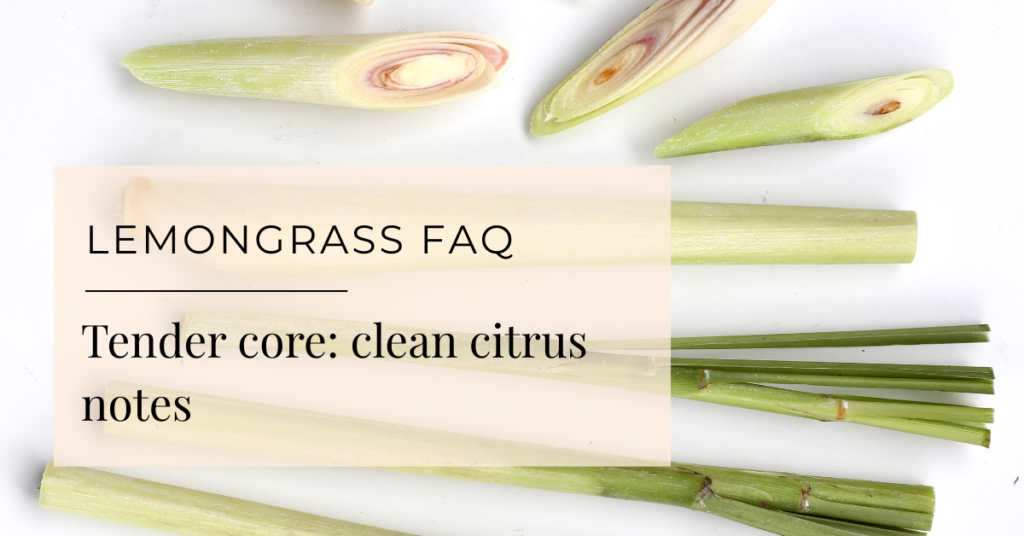
The tender core
This is the pale-yellow center you reveal once you peel away the outer layers. It’s soft enough to slice, mince, or pound into a paste. This is the part that brings clean citrus notes to marinades, stir‑fries, and sauces.
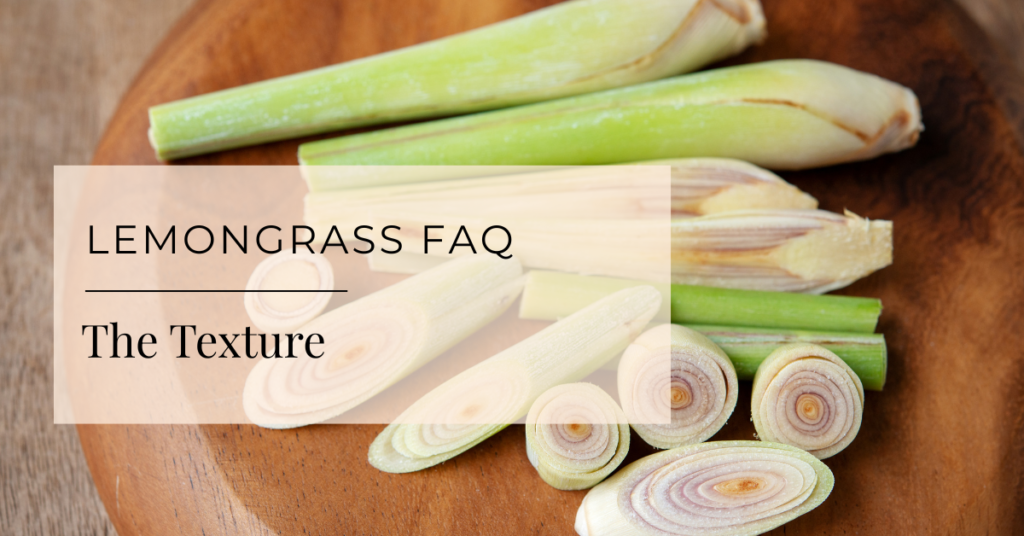
Why this matters
Using the right part of the stalk gives you the flavor you want without the stringy texture that turns people off. Once you understand this simple structure, lemongrass becomes one of the easiest, most versatile ingredients in your kitchen.
Where to Buy Lemongrass
Most major grocery stores now carry fresh lemongrass in the produce section — usually near the herbs or packaged in small bundles. You’ll also reliably find it at:
- Asian grocery stores (Vietnamese, Thai, Chinese markets)
- Natural food stores like Whole Foods
- Farmers markets in warmer climates
- Online Asian grocery delivery services
Look for stalks that feel firm, heavy, and pale yellow with no mushy spots.
Note: If you use this Weee! referral link, we receive a $20 credit toward future orders. This helps support the ingredient testing and pantry research behind Lemongrass Cooking.

How to Prepare and Store Lemongrass (from the stalks!)
Equipment
- Food processor HIGHLY recommend
- Cutting board & knife
- Peeler optional
Materials
- 6 Fresh lemongrass stalks (or as many as needed)
Instructions
Trim the stalk
- Cut off the root end.
- Trim the top third of the stalk — it’s too tough to use.
Peel away the outer layers
- Remove 1–2 dry, fibrous layers until you reach the smooth, pale yellow core.
- This is the fragrant, usable part.
How to use: broths, soups, and poaching
- Cut the stalk into 2–3 inch pieces.
- Smash with the back of your knife to release aroma.
- Add directly to the pot; remove before serving.
For marinades, sauces, stir-fries
- Slice the pale core into 2-inch sections.
- Place the sections into your food processor.
- Mix until fine.
For pastes or dressings
- Combine the chopped lemongrass with ginger, garlic, chilies, or herbs.
Tips & Tricks
- Choose fresh: Look for firm stalks with no browning. The bottom should feel heavy and moist.
- Use the right part: Only the bottom 4–6 inches are tender enough to mince.
- Smashing unlocks aroma: Even if you’re not mincing it, always smash it for maximum flavor.
- Freeze for later: Trim and freeze whole stalks — they keep their aroma beautifully.
- Don’t overthink it: Lemongrass is forgiving. Even rough cuts will infuse broth with clean citrus notes.
Storage
- Whole stalks: Refrigerate up to 2 weeks in a produce bag.
- Trimmed & peeled: Store in an airtight container for 5–7 days.
- Minced lemongrass: Freeze in small portions (ice cube tray or flat zip bag) for up to 3 months.
- Broth use: Spent stalks can be reused once more for a lighter second infusion.
Storage Tips
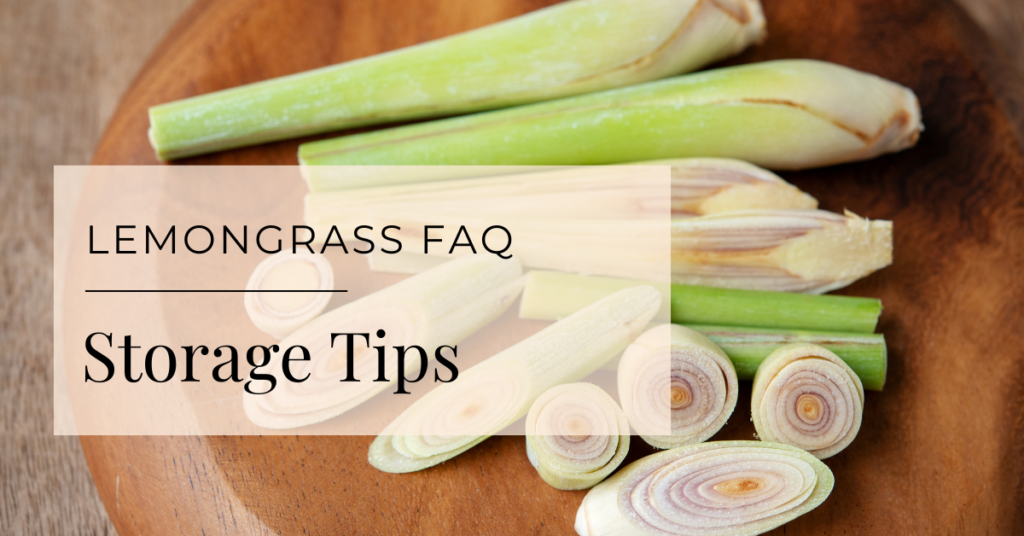
Lemongrass stores amazingly well and is perfect for batch prep. Check out the 3-ways you can incorporate lemongrass into your every Vietnamese pantry.
Whole Stalks
- Refrigerate up to 2 weeks in a breathable produce bag.
- Freeze whole stocks for up to 6 months – no prep needed.
Sliced or Minced Lemongrass
- Refrigerate in an airtight container for 3–4 days.
- Freeze for up to 6 months.
- Tip: Freeze in tablespoon portions or small cubes for easy use in marinades and stir-fries.
Lemongrass Paste
- Mix minced lemongrass with a splash of neutral oil.
- Freeze in small cubes for 3-4 months.
- Great for quick weeknight cooking.
Lemongrass Inspired Recipes
Lemongrass is one of the core flavors behind the recipes on Lemongrass Cooking. Once you’ve prepped the tender core, it becomes a building block you’ll use across marinades, broths, stir‑fries, and everyday bowls. The flavor is bright and citrus‑forward, but never sharp — it adds lift without overpowering the dish. Check out our collection of lemongrass-centered recipes that add color and energy to any Vietnamese-inspired meals.

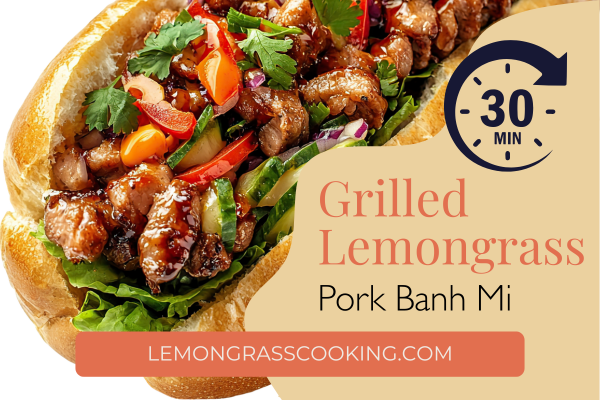
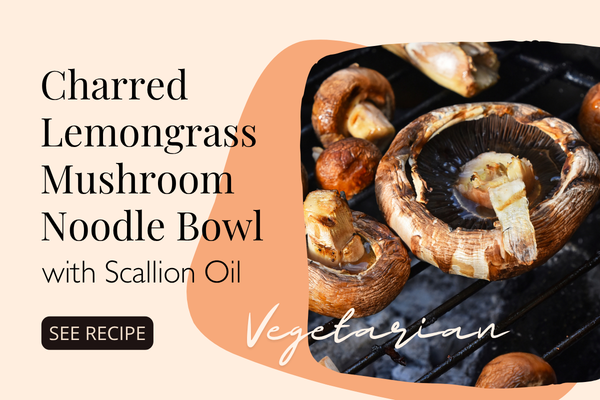
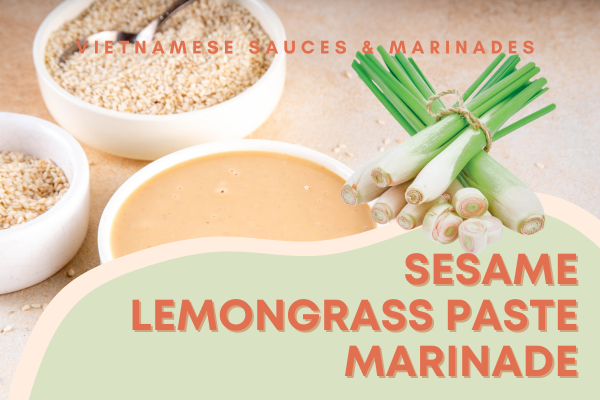
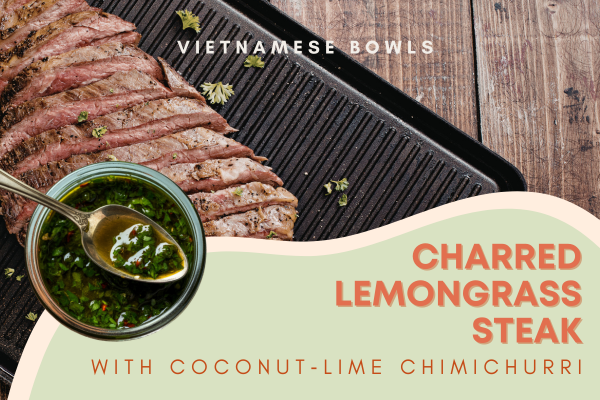
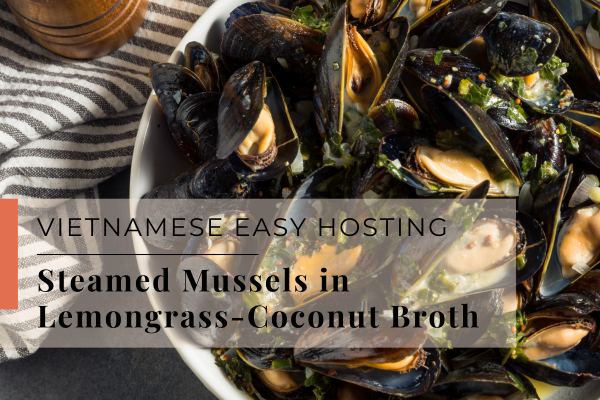
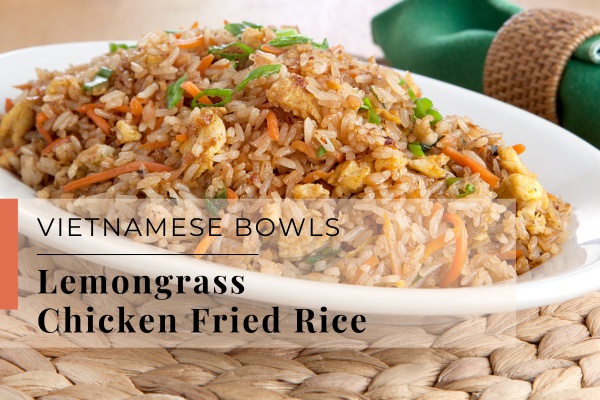
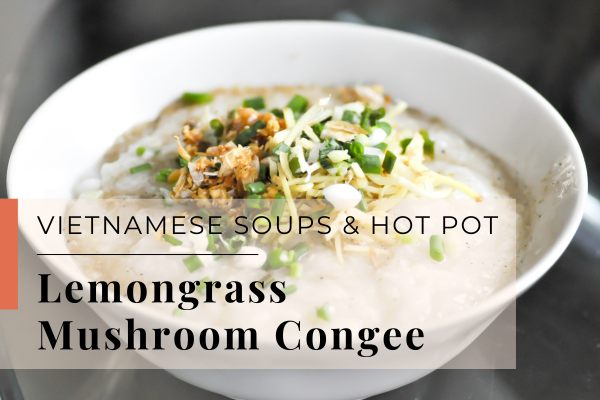
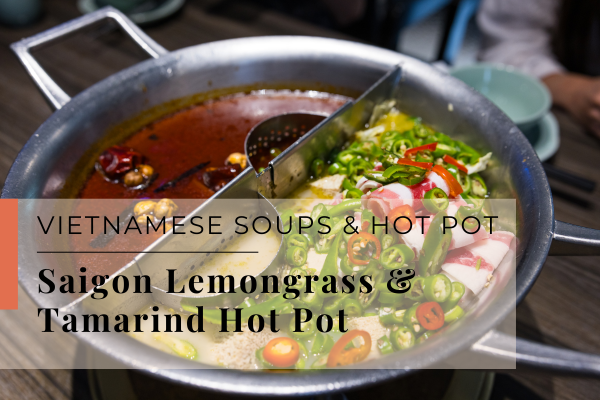
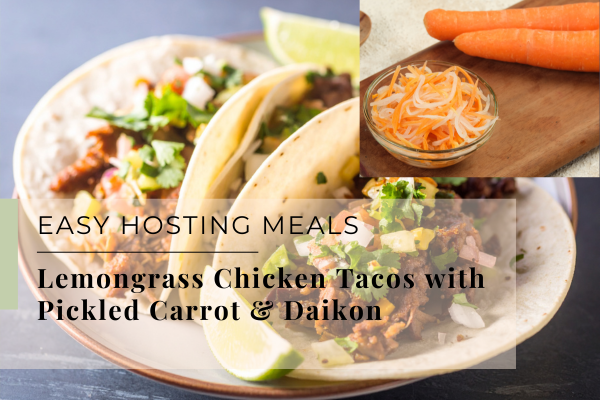
Explore Easy Vietnamese Bowls
-
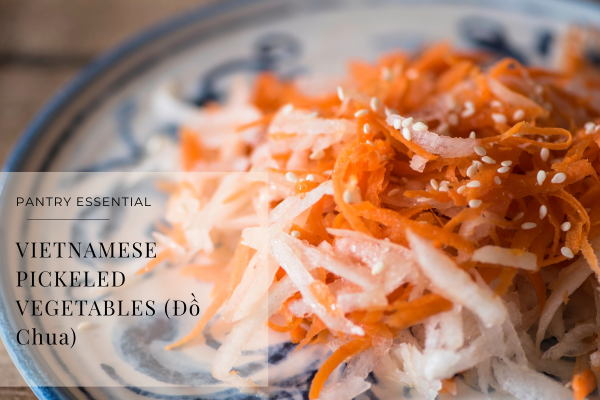
House-Style Vietnamese Pickled Vegetables (Đồ Chua)
Vietnamese Pickles “Đồ Chua” Vietnamese pickled vegetables — crisp, bright, and lightly tangy — are one of the easiest ways to add freshness and balance to your meals. This House-Style…
-
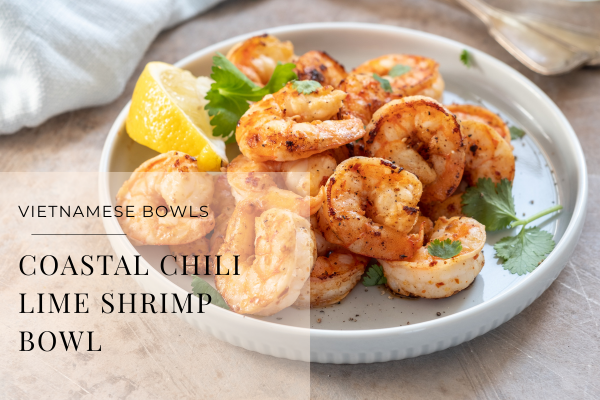
Coastal Chili-Lime Shrimp Bowl
This Coastal Chili-Lime Shrimp Bowl is a fresh, Vietnamese‑inspired rice bowl layered with juicy shrimp, a bright mango–mint slaw, and a simple chili‑lime dressing. Why You’ll Love This Shrimp Bowl…
-
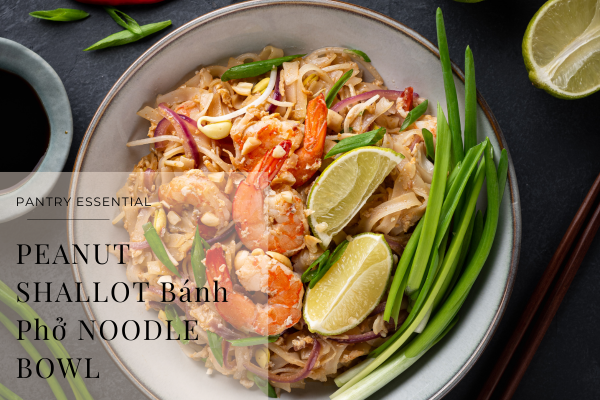
Peanut Shallot Bánh Phở Noodle Bowl
This Peanut Shallot Bánh Phở Noodle Bowl is one of those recipes that fits anywhere in your week: light enough for a meatless lunch, satisfying enough with protein for dinner,…
-
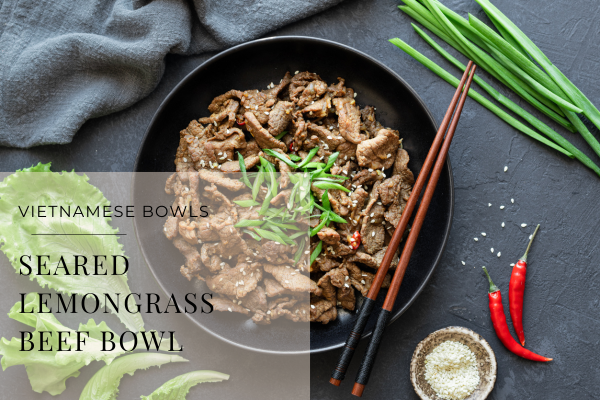
Seared Lemongrass Beef Bowl
This Seared Lemongrass Beef Bowl is an easy, flavor‑forward weeknight recipe built on the grounding, earthy aroma of fresh lemongrass. When lemongrass hits a hot pan, it releases a warm…
-
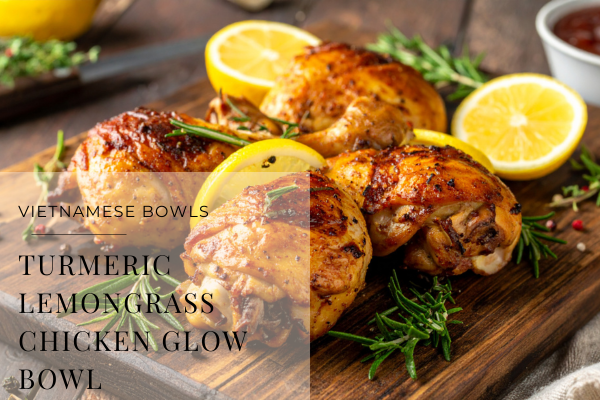
Turmeric Lemongrass Chicken Glow Bowl
This Turmeric Lemongrass Chicken Glow Bowl is built on the kind of flavors that make weeknight cooking feel effortless but still special. Lemongrass brings a subtle earthiness — a grounding,…
-
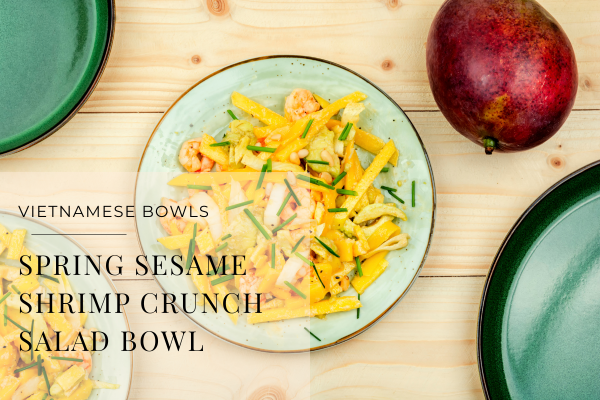
Spring Sesame Shrimp Crunch Salad Bowl
This Spring Sesame Shrimp Crunch Salad Bowl is everything you want in a warm‑weather meal: crisp, juicy, herb‑forward, and impossibly fresh. The shrimp stay light and bright under a simple…
-
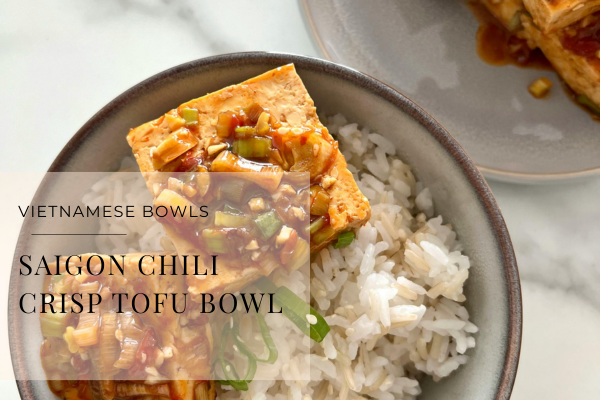
The Saigon Chili Crisp Tofu Bowl
This Saigon Chili Crisp Tofu Bowl is a bright, modern, Vietnamese‑inspired weeknight recipe built around crisp tofu, fresh herbs, and a glossy chili‑lime glaze. It’s the kind of plant‑forward bowl…
-
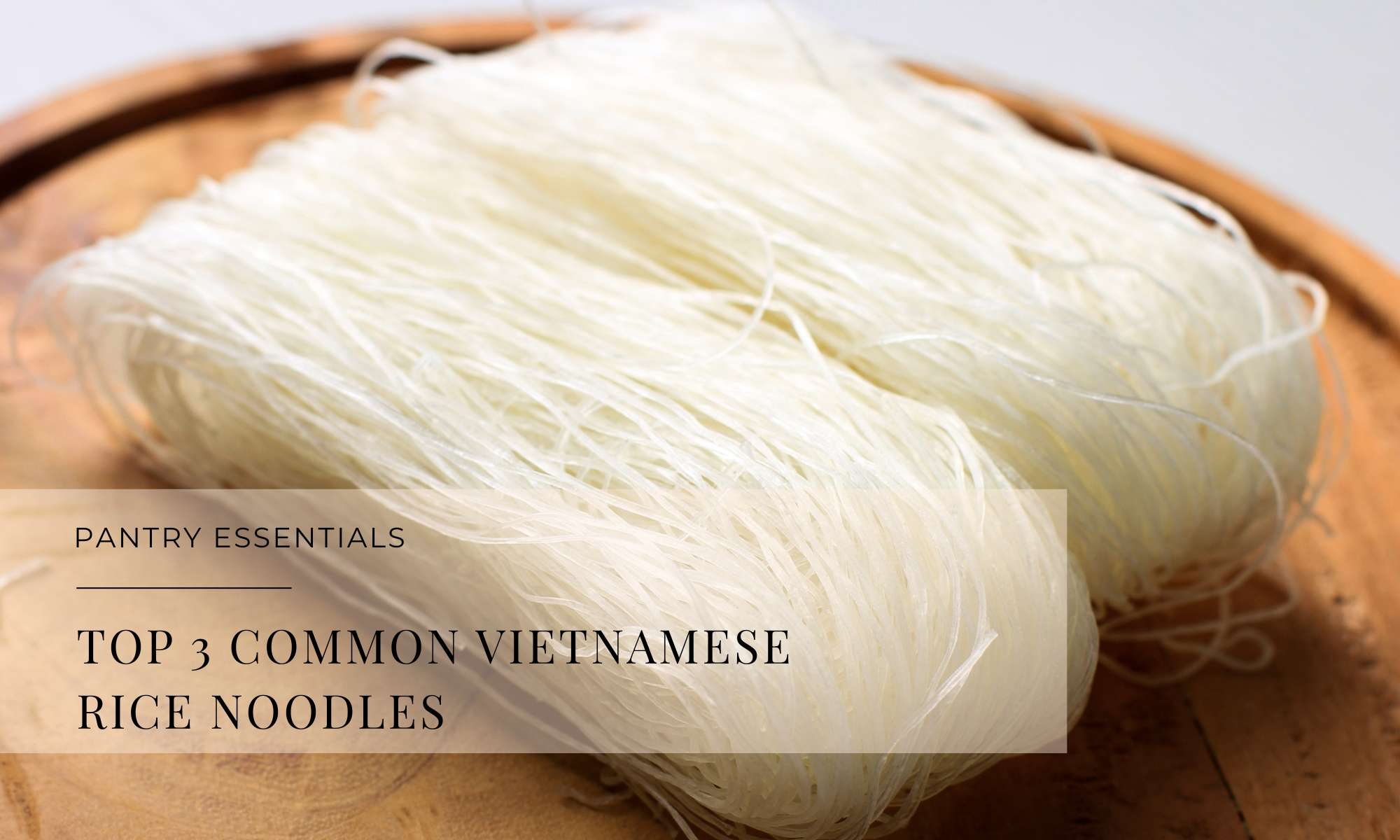
The Three Vietnamese Rice Noodles You Should Know
The Three Vietnamese Rice Noodles You Should Know Vietnamese cooking uses three core rice noodles — bún, bánh phở, and bánh canh — each with its own shape, texture, and…
-
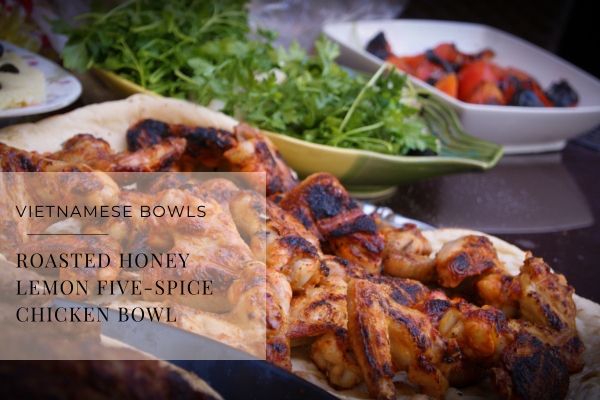
Roasted Honey Lemon Five‑Spice Chicken Bowl
This Roasted Honey Lemon Five‑Spice Chicken Bowl brings together familiar flavors while keeping rooted in Vietnamese flavors. Why These Flavors Feel Instantly Familiar This Roasted Honey Lemon Five‑Spice Chicken Bowl…
-
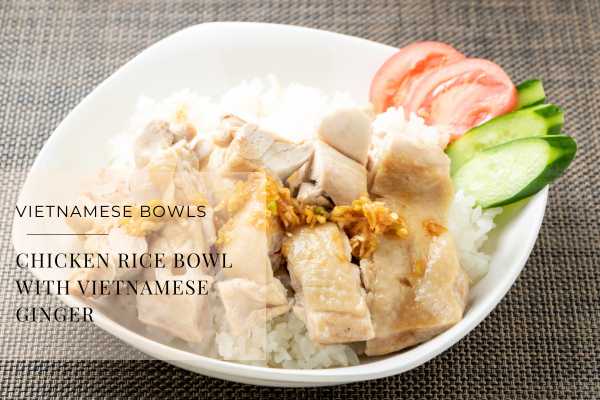
Chicken Rice Bowl with Vietnamese Ginger
A cozy chicken rice bowl inspired by Hainanese chicken rice, but brightened with a distinctly Vietnamese ginger and lemongrass kick. Silky poached chicken, fragrant rice, and a sharp ginger‑scallion sauce…