Vietnamese Pickles “Đồ Chua”
Vietnamese pickled vegetables — crisp, bright, and lightly tangy — are one of the easiest ways to add freshness and balance to your meals. This House-Style Vietnamese Pickled Vegetables (Đồ Chua) version takes just a few minutes to make, last for weeks in the fridge, and instantly elevate bowls, bánh mì, salads, and weeknight dinners. This guide walks you through what they are, how to make them, and how to use them across your everyday cooking.
What are Vietnamese Pickled Vegetables?
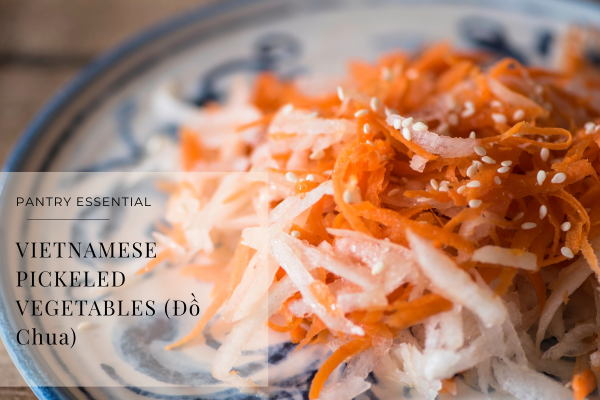
Đồ chua is a simple mix of carrots, daikon, and a lightly sweetened brine. Unlike heavy Western pickles, these are quick, clean, and refreshing — meant to brighten rich proteins and add crunch to fresh dishes. They’re a staple in Vietnamese home cooking because they’re versatile, inexpensive, and endlessly customizable.
Traditional methods of prepping and brining follow a longer fermentation process. Ready in 1 hour, this version is lighter, balanced, and clean-tasting making it ideal as a weeknight ingredient.
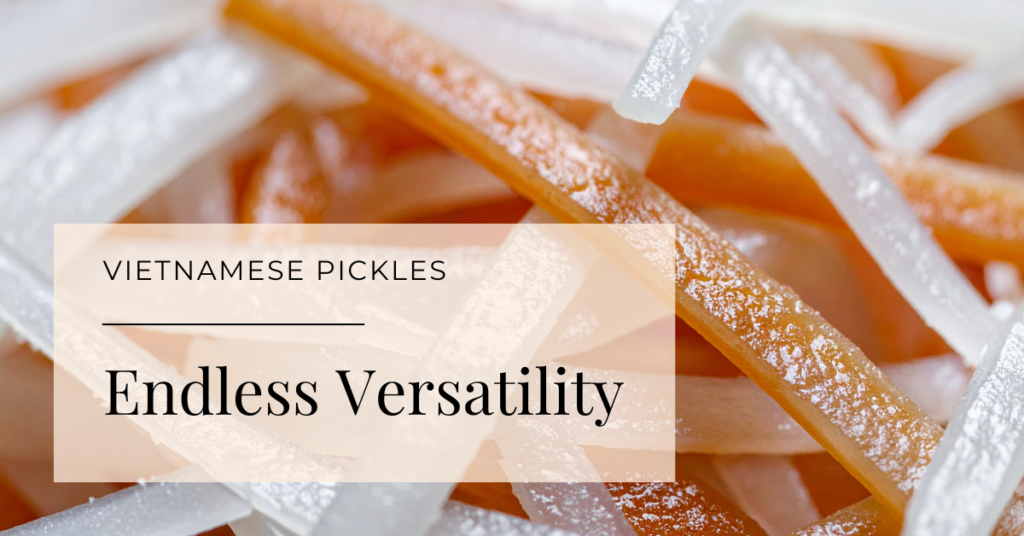
Why Vietnamese Pickled Vegetables Belong in Every Pantry
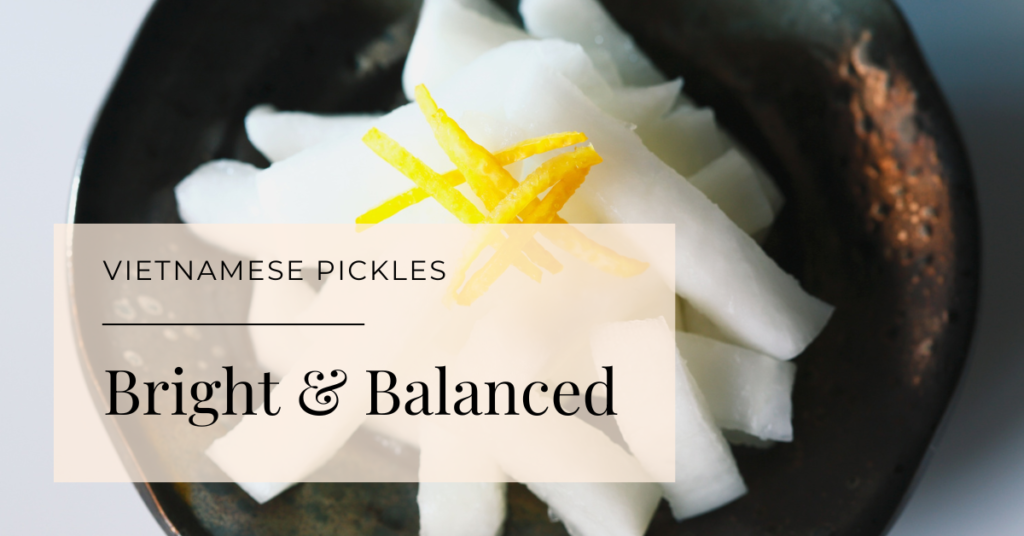
1. Instant Brightness & Balance
Đồ chua cuts through rich, savory dishes with gentle acidity and crunch. It’s the ingredient that keeps bowls, bánh mì, and grilled meats feeling fresh and balanced instead of heavy.
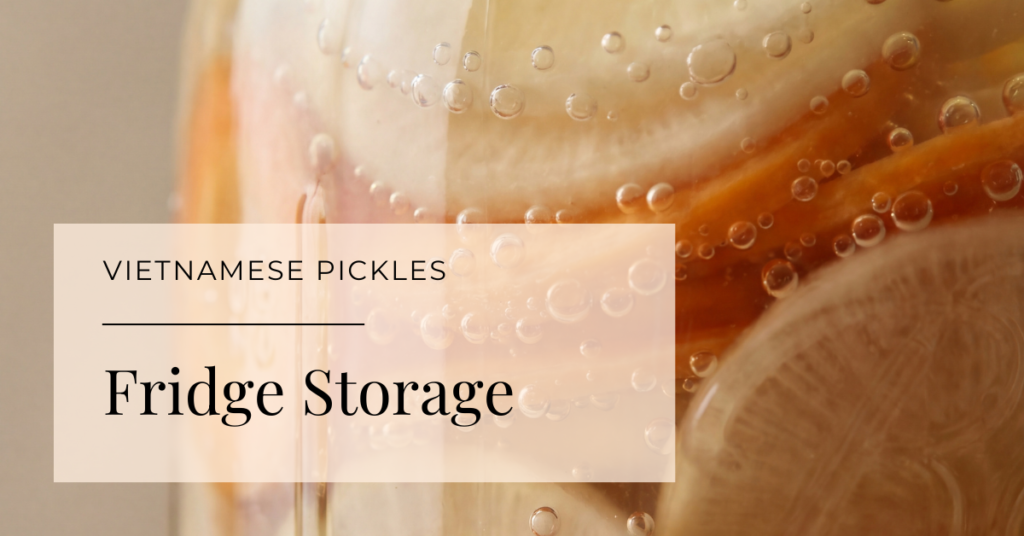
2. Always Ready in the Fridge
A single jar lasts for weeks and stays crisp, making it one of the easiest “prep once, use often” components in Vietnamese home cooking. It turns even simple leftovers into something lively.
3. Versatile Across Bowls, Sandwiches, and Salads
These pickles pair with almost everything — proteins, herbs, dressings, noodles, rice. They’re a flexible building block that fits naturally into your bowls‑first, modern Vietnamese style.
Vietnamese Pickled Vegetables (Đồ Chua)
Equipment
- Cutting board & knife TIP: Love my mandoline slicer for the job.
- Medium bowl
- Clean jar with lid
Instructions
Prep the Vegetables
- Peel carrots and daikon (or your chosen veg).
- Julienne into thin matchsticks or slice thinly. Use a mandoline slicer if you have one.
- Place in a bowl.
Make the Pickling Brine
- Whisk together sugar, vinegar, warm water, and salt.
- Stir until sugar dissolves. NOTE: Dissolving the sugar fully in hot water keeps the brine clear and helps the vegetables stay crisp instead of softening over time.
- Add optional turmeric, ginger, garlic, or chili if using.
Combine & Pickle
- Pour brine over vegetables.
- Toss to coat evenly.
- Let sit at least 10 minutes — longer = more flavor.
- Transfer to a jar with the brine.
Tips & Tricks
- Turmeric = instant glow: Add ¼ tsp for a golden, photogenic pickle.
- Cucumber + radish makes a super fresh, modern combo.
- Red cabbage turns the brine pink — gorgeous in bowls.
- Thin cuts pickle faster: Aim for matchsticks or thin slices.
- Warm water helps soften the veg just enough without losing crunch.
- Taste and adjust: Add more vinegar for tang, more sugar for balance.
Storage
- Refrigerate up to 2–3 weeks.
- Flavor improves after 24 hours.
- Keep vegetables submerged in brine for best texture.
- Cloudiness is normal, especially with daikon or turmeric.
Notes
How to Use Vietnamese Pickled Vegetables
Vietnamese pickled vegetables are incredibly versatile — they add brightness, crunch, and balance to almost any dish. They slip easily into bowls, bánh mì, salads, and grilled proteins, and they’re one of the quickest ways to wake up leftovers or round out a weeknight meal.
- Rice Bowls
- Noodle Salads
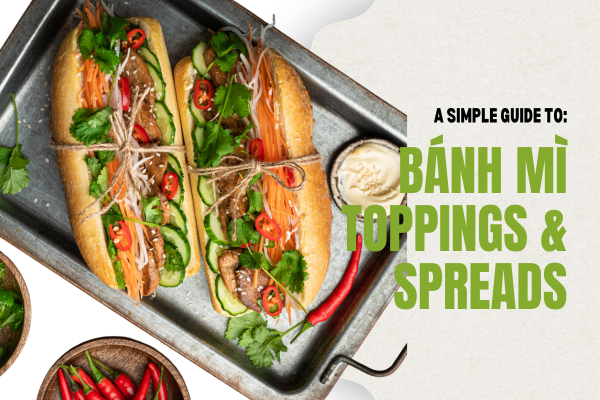
- Bánh mì
- Grilled meats
- Lemongrass chicken or tofu
- Spring / Summer rolls
- Weeknight leftovers that need a lift
How to Store Vietnamese Pickles
These pickles are naturally long‑lasting because the vinegar, sugar, and salt create a stable brine that keeps the vegetables crisp and safe to eat. The key is keeping them submerged and cold so the texture stays bright and snappy.
- Refrigerator storage: Keep the pickles in an airtight glass jar and store them in the fridge for 2–3 weeks. They stay crisp the entire time as long as they remain fully covered in brine.
- Keep everything submerged: If any pieces float above the liquid, they soften faster. Add a small piece of parchment or a weight if needed.
- Avoid contamination: Always use clean utensils when scooping out pickles so the brine stays clear and fresh.
- Flavor improves over time: The pickles taste best after the first 24 hours, and the flavor deepens over the next few days.
- Do not freeze: Freezing breaks down the vegetables and makes them mushy once thawed.
These storage notes work for our classic pickled carrot and daikon, but also for variations like all‑carrot, all‑daikon, or quick‑pickle versions.
Vietnamese Pickles: Variations to Try
Vietnamese pickled vegetables are easy to customize. Swap in what you have or adjust the flavor to match the dish you’re making. Try adding cucumber for extra freshness, red onion for color, Thai chili for heat, or a pinch of turmeric for a golden, earthy twist. Each variation keeps the pickles bright, crisp, and ready for anything in your weekly cooking.
Closing Note: The Tradition of Pickles in Vietnamese Cooking
Pickled vegetables have always held a quiet but essential place in Vietnamese cooking. They bring brightness to rich dishes, balance to grilled meats, and a clean crunch that cuts through warm, savory flavors. More than a condiment, they reflect the Vietnamese instinct for harmony—every meal needs something fresh, something crisp, something lively. Keeping a jar in the fridge is part practicality and part tradition, a way to make everyday meals feel complete. It’s a small detail that carries the rhythm of Vietnamese home cooking forward, connecting simple weeknight dishes to a much older culinary logic.