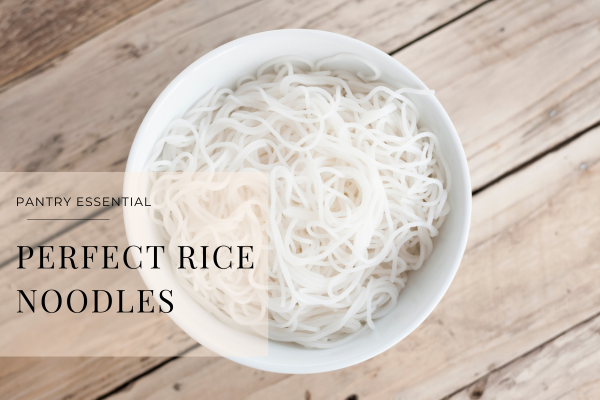
A Brief Guide on How to Cook Perfect Rice Vermicelli Noodles “Bún”
In This Guide: How to Cook Perfect Rice Vermicelli Noodles
What Is Bún? The Essential Guide to Vietnamese Rice Vermicelli
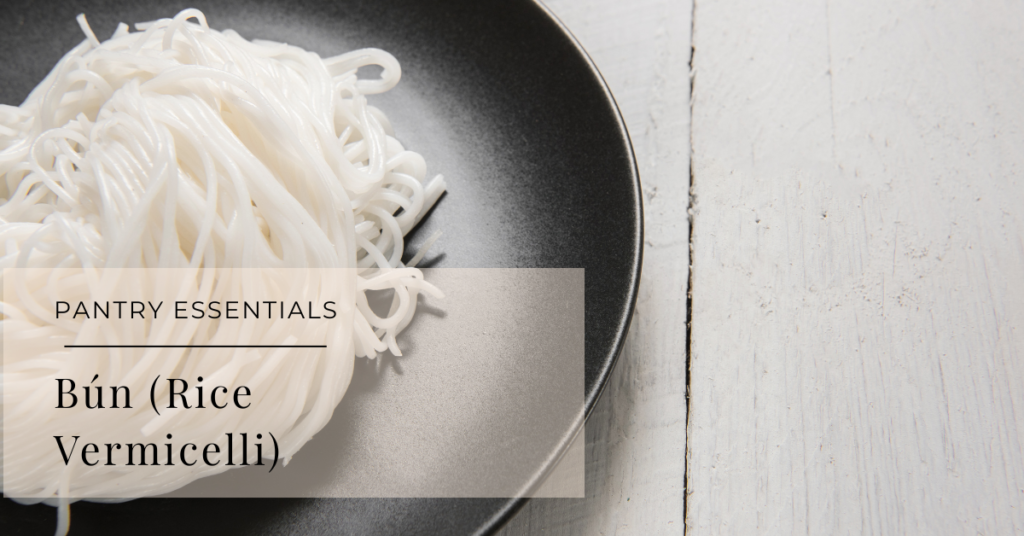
In Vietnamese cooking, bún is the quiet backbone of everyday meals — thin, round rice noodles that stay light, bouncy, and endlessly versatile. You’ll find them in herb‑packed bowls, refreshing salads, and quick weeknight plates. Unlike flat phở noodles or the woven sheets of bánh hỏi, bún is delicate and designed to soak up flavor without getting heavy.
Most Asian markets carry them dried in small bundles labeled “rice vermicelli” or “bún.” They cook fast, which is part of their charm — but also why they’re easy to over‑soften if you’re not paying attention.
This guide walks you through the exact method for cooking perfect rice vermicelli noodles every time — soft, bouncy, and never mushy — plus how to cool, store, and prep them so they’re ready for effortless bowls throughout the week.
What You Need to Cook Perfect Rice Vermicelli
No oil, no soaking, no complicated steps — just heat, timing, and technique.
- A medium or large pot
- Plenty of water
- A colander or fine strainer
- Tongs or chopsticks
Browse Recommended Kitchen Tools for Rice Noodles
The Vietnamese Technique Behind Perfect Bún
Cooking bún isn’t about boiling — it’s about control. Vietnamese home cooks rely on three principles:
1. Heat softens rice noodles fast. Rice flour hydrates quickly. If the water is too hot or the soak is too long, the noodles collapse.
2. Rinsing is non‑negotiable. A cold rinse stops the cooking instantly and washes off excess starch so the noodles stay light and separate.
3. Texture is the goal, not time. Perfect bún is judged by feel:
- soft
- bouncy
- strands that separate easily
To prevent clumping:
If the noodles are very dry, add 1–2 teaspoons of cold water before sealing the container. No oil needed.
Once you understand these cues, you’ll never overcook them again.
Browse Related Tips & Posts:
- Recommended Vietnamese Kitchen Tools
- More Rice Noodles: The Three Vietnamese Rice Noodles You Should Know
- Pantry Basic: How to Prepare Fresh Lemongrass
- Brose More Pantry & Kitchen Gear
How to Cook Rice Vermicelli Noodles (Step-by-Step)
Ingredients
- 1 package dried rice vermicelli noodles (bún)
- Water
Instructions
- Bring a pot of water to a boil, then turn the heat off.
(This is the key — you’re cooking with hot water, not boiling water.) - Add the dried noodles and gently push them down so they’re fully submerged.
- Soak for 3–5 minutes, depending on the brand.
Start checking at the 3‑minute mark. The noodles should be soft but still springy. - Drain immediately once they reach the right texture.
- Rinse under cold water for 10–15 seconds to stop the cooking.
- Drain well and fluff with your fingers or chopsticks.
You now have perfect Vietnamese bún — ready for Vietnamese bowls, salads, and weeknight meals.
5 Tips for How to Cook Perfect Rice Vermicelli Noodles
- Never Boil – hot water is enough. Vermicelli noodles soften rapidly. Boiling breaks down the starch too quickly, leading to mushy, clumped strands. Hot water is all they need.
- Soak, don’t simmer. Pouring boiling water over the noodles and letting them sit gives you far more control. The noodles soften evenly without overcooking at the edges.
- Rinse immediately. A cold‑water rinse stops the cooking and washes off excess starch. This is what keeps the noodles light, separate, and tangle‑free.
- Drain thoroughly. Excess water makes the noodles gummy. A good drain — even a gentle shake — keeps the texture clean and prevents clumping.
- Toss lightly if storing. If you’re prepping ahead, a tiny bit of neutral oil keeps the noodles from sticking without making them greasy.
Related Featured Rice Vermicelli Noodle Recipes:
- With Shrimp: Lemongrass Coconut Shrimp Vermicelli Bowl
- Festive Feasting: Rice Vermicelli Noodle Bowl Bar
- Classic OG Lemongrass: How to Make Lemongrass Chicken Vermicelli Bowl
- Browse More Vietnamese Bowl Recipes
How to Cook Perfect Rice Vermicelli Noodles
Equipment
- Medium or large pot
- Strainer or colander
- Large bowl (for ice bath)
- Tongs or chopsticks
- Measuring cup for scooping water if needed)
Materials
- 1 package Three Ladies Brand rice noodles
- Water for simmering
- Ice for ice bath
Instructions
Heat the water
- Fill a pot with water and heat it until it’s very hot and steaming, with small bubbles forming. It should be just below a full boil.
Add the dry noodles
- Place the dried rice noodles into the pot. Keep the heat low so the water stays at a gentle simmer, not a rolling boil. Too hot, noodles will become soggy.
Simmer for 10–12 minutes
- Cook the noodles, stirring occasionally to prevent clumping. They’re ready when soft, flexible, and slightly springy. Don't be afraid to add a couple more minutes to the cook time if you feel it's needed.
Drain immediately
- Once the noodles reach the right texture, drain them right away to stop further softening.
Transfer to an ice bath
- Place the noodles into a large bowl filled with ice water. Let them sit for 1–2 minutes to stop the cooking and firm up
Drain well
- Remove the noodles from the ice bath and drain completely. This requires resting of the noodles for a solid 30-40 minutes. Use immediately or, toss with a tiny bit of neutral oil if storing.
How to Store for Meal Prep
- Let noodles cool completely before storing.
- Place in an airtight container and toss with a tiny drizzle of oil to prevent sticking.
- Refrigerate for 3–4 days.
- To reheat, loosen with warm water, a quick hot‑water dip, or 20–30 seconds in the microwave with a damp paper towel.
Notes
- Avoid boiling the noodles. It will break down the noodles and become soggy.
- Place in an airtight container and toss with a tiny bit of oil to prevent sticking.
- Refrigerate for 3-4 days.
- To reheat, loosen with warm water, a quick hot-water dip, or 20-30 seconds on the microwave. with a damp paper towel.
- Great for noodle bowls, salads, spring rolls, and meal-prep lunches and dinners.
Featured Rice Vermicelli Noodle Recipes
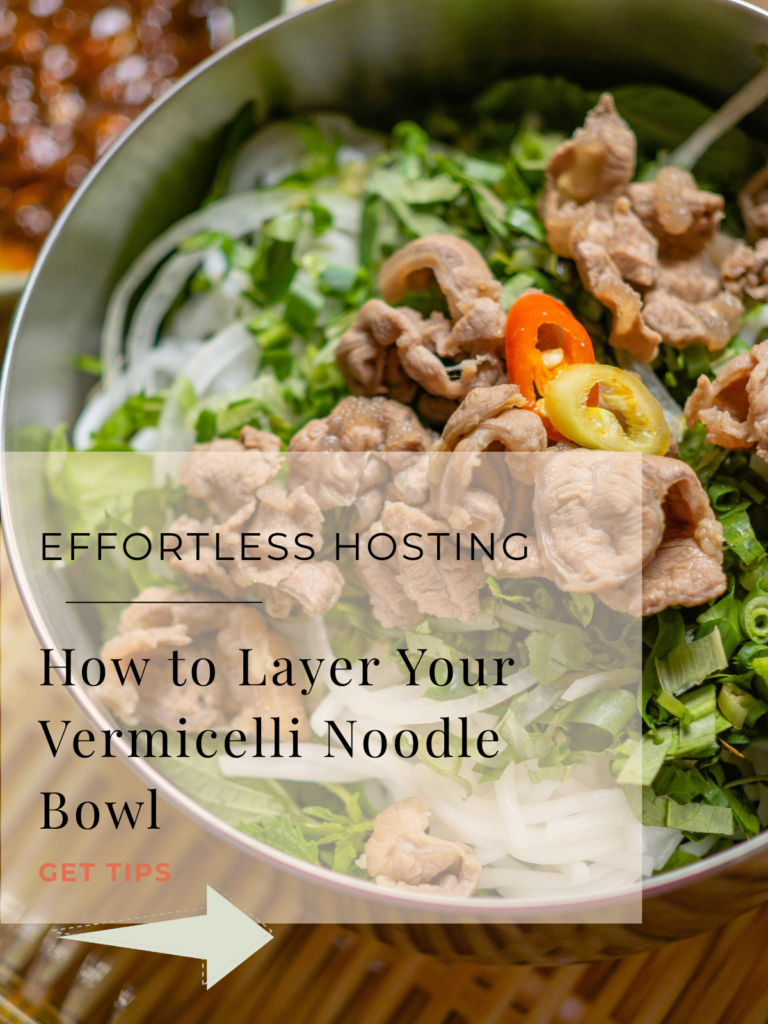
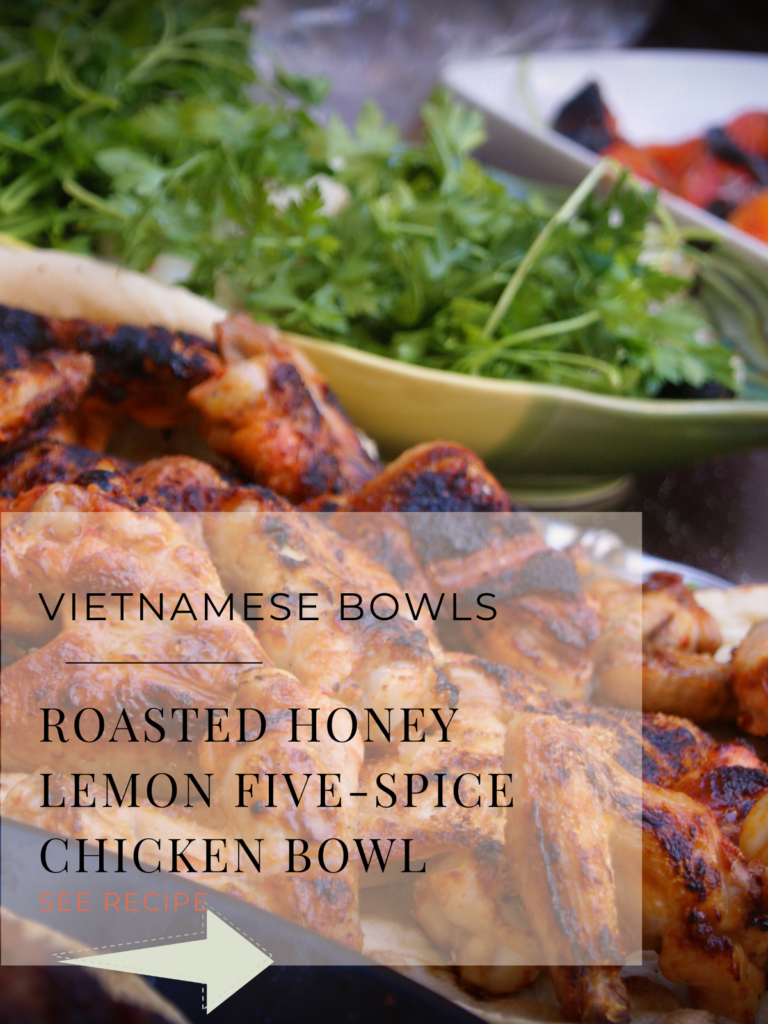
FAQ for Cooking Rice Vermicelli Noodles
Do you boil or soak rice vermicelli noodles?
You soak them in hot water — never boiling water — to keep them springy.
How do you keep rice vermicelli from getting mushy?
Turn off the heat before adding noodles, soak briefly, and rinse with cold water.
Can you prep rice vermicelli ahead of time?
Yes. Store for up to 3 days with a light coating of oil.
What brand of rice vermicelli is best?
Look for Vietnamese brands labeled “bún” or “rice vermicelli.” Thin, round strands work best for bowls and salads.
How to Use Rice Vermicelli Noodles
Explore recipes and bowls that use rice vermicelli noodles. These dishes highlight how versatile and dependable bún can be in everyday cooking.
-
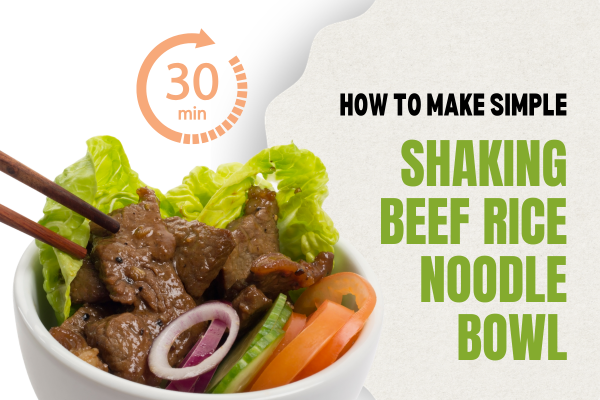
Simple Shaking Beef Rice Noodle Bowl
This Simple Shaking Beef Rice Noodle Bowl prepares and cooks under 30-minutes! A fresh and modern take on Vietnamese shaking beef, this rice noodle bowl layers seared steak, chewy noodles,…
-
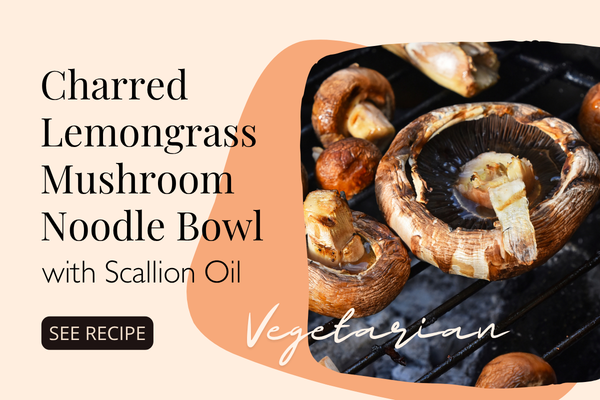
Charred Lemongrass Mushroom & Scallion Oil Noodle Bowl
SIMPLE Charred Lemongrass Mushroom & Scallion Oil Noodle Bowl – in under 25 minutes This charred lemongrass mushroom noodle bowl brings together smoky mushrooms, scallion oil, fresh herbs, and a…
-
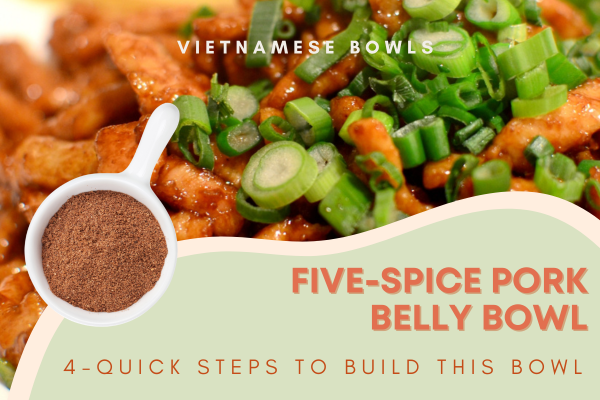
Five‑Spice Pork Belly Bowl
This Five‑Spice Pork Belly Bowl is warm, glossy, aromatic pork belly over jasmine rice (or vermicelli noodles) with herbs, pickles, and scallion oil. This bowl takes everything people love about…
-
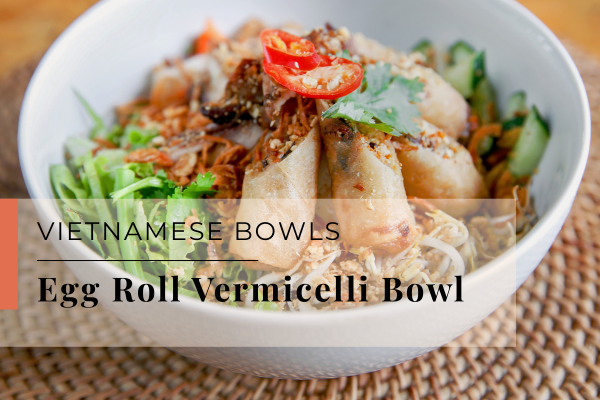
Vietnamese Egg Roll Vermicelli Bowl
Vietnamese Egg Roll Vermicelli Bowl (Bún Chả Giò) A fresh, crunchy, herb‑forward vermicelli bowl topped with golden, shatter‑crisp egg rolls. This is the classic Vietnamese combination of textures: cool noodles,…