Crispy Shrimp & Pork Bánh Xèo: The Vietnamese Crêpe That Teaches You to Cook With Sound
A classic recipe, made simpler — and more intuitive — for the modern home cook
Banh xeo is one of those Vietnamese dishes that looks dramatic but is actually built on a simple truth: if you listen for the sizzle, the crepe will tell you exactly what to do. It’s a dish that teaches you to cook with your senses — sound, smell, texture — instead of strict technique. And that’s what makes it both classic and endlessly exciting.
This version stays completely traditional: shrimp, ground pork, onions, bean sprouts, turmeric batter, lettuce, herbs, nuoc cham. No shortcuts. No reinterpretations. Just a cleaner, more intuitive approach that helps you succeed even if you’ve struggled with banh xeo before.
Because the secret to great banh xeo isn’t complexity — it’s confidence
In This Guide:
Why This Version Works (Even If You’ve Failed at Banh Xeo Before)
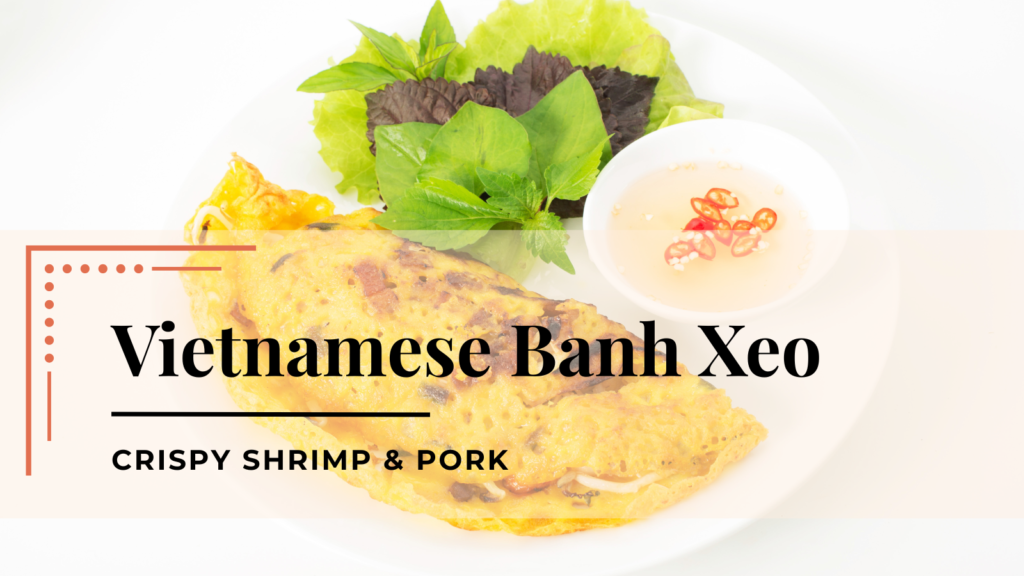
Most banh xeo recipes overwhelm home cooks with too many variables: pan type, heat level, batter thickness, filling quantity. This version strips the process down to the essentials and reframes the technique in a way that’s easier to trust.
1. You cook by sound, not guesswork
The batter should sizzle loudly when it hits the pan.
If it doesn’t, you wait.
If it does, you’re already halfway to crisp.
2. You keep the fillings light
Traditional banh xeo is never stuffed.
A little pork, a few shrimp, a handful of bean sprouts — that’s it.
This keeps the crepe crisp and foldable.
3. You let the batter rest
Just 10–15 minutes.
It hydrates the flour and gives you that lacy edge.
4. You don’t flip
Banh xeo is a one‑sided crisp.
Once the bottom is golden, you fold and serve.
The Beauty of Banh Xeo: Warm-Cool Contrast
Like so many Vietnamese dishes, banh xeo is about contrast:
- hot, crisp crepe
- cool lettuce
- fresh herbs
- bright nuoc cham
- savory pork
- sweet shrimp
- crunchy bean sprouts
It’s a dish that feels alive — every bite is warm, cool, crisp, soft, bright, and savory all at once.
This is why banh xeo is such a beloved recipe in Vietnamese homes. It’s not just a meal; it’s an experience.
The Banh Xeo Technique, Simplified
Here’s the heart of the method:
- Heat the pan until it’s truly hot
- Sear a little pork and shrimp
- Pour a thin layer of batter
- Add bean sprouts
- Cook until the edges lift and the bottom is golden
- Fold and serve
That’s it.
No flipping.
No fuss.
No fear.
This is banh xeo the way Vietnamese families actually make it — casual, sensory, joyful.
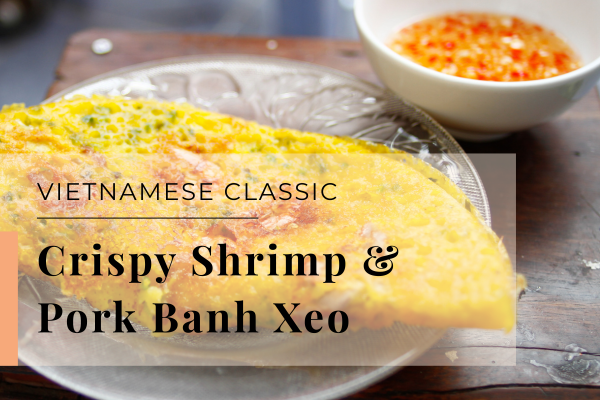
Crispy Pork Belly Bánh Xèo (Shortcut Version)
Equipment
- Nonstick skillet
- Mixing bowl
- Ladle
- Spatula
Ingredients
Batter
- 1 cup rice flour
- 1 tbsp cornstarch optional, for extra crispness
- 1 tsp turmeric powder
- 1 cup cold water
- ½ cup coconut milk
- ½ tsp salt
- 2 scallions thinly sliced
Filling
- 8 oz ground pork
- 8 oz shrimp peeled and deveined (small or medium; leave whole or slice in half lengthwise)
- 1 small yellow onion thinly sliced
- 4 cups bean sprouts
- Neutral oil
To Serve
- Lettuce leaves green leaf or butter lettuce
- Fresh herbs: mint cilantro, basil
- Nước chấm
Instructions
- Make the batter by whisking together rice flour cornstarch turmeric water coconut milk and salt until smooth. Stir in scallions and rest 10 to 15 minutes.
- Prep the shrimp by patting dry. Keep the ground pork loose.
- Heat a nonstick or well‑seasoned skillet over medium‑high with a thin layer of oil until shimmering.
- Add 2 to 3 tablespoons ground pork and 2 to 3 shrimp to one side of the pan with a small handful of sliced onions. Cook until the pork is mostly done and the shrimp begin to turn pink.
- Stir the batter then ladle in just enough to thinly coat the pan. Lift and tilt the pan to spread the batter into a thin even layer.
- Add a small handful of bean sprouts on the side with the pork and shrimp.
- Cook undisturbed over medium heat for 4 to 6 minutes until the edges lift the center is set and the bottom is crisp and golden.
- Fold the bánh xèo over the filling and slide onto a plate. Repeat with remaining batter and filling
Notes
Resting the batter improves texture.
A hot pan is essential for the signature sizzle.
Do not overfill or the crêpe will soften.
Serve wrapped in lettuce with herbs and nước chấm.
Banh Xeo Variations to Try
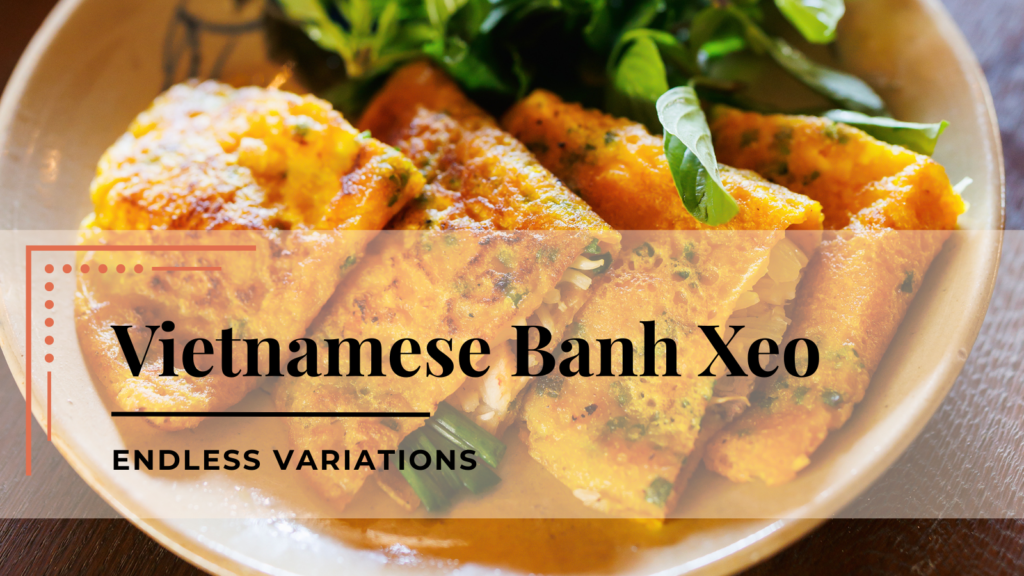
Chicken Banh Xeo
A lighter, leaner option that still feels traditional.
Use thinly sliced chicken thigh or small pieces of ground chicken. Thighs stay juicier and give you better browning in the pan. Keep the filling minimal — a little chicken, a few onions, and the same handful of bean sprouts. The crepe stays crisp and the flavor stays clean.
Vegan Banh Xeo
A plant‑forward version that still delivers the signature crisp and contrast.
Swap the pork and shrimp for sliced mushrooms (king oyster or shiitake work best) and a small handful of thinly sliced tofu or tempeh. Sear the mushrooms until golden so they mimic the savory depth of the original. Everything else stays the same: turmeric batter, bean sprouts, lettuce, herbs, nuoc cham (use a vegan version).
Extra Crispy Version
If you want a more dramatic crunch, add a splash more water to the batter to thin it slightly. A thinner batter creates a lacier edge and a louder sizzle.
Mild and Kid‑Friendly
Skip the onions and keep the filling simple: just pork or just shrimp. Serve with lettuce and herbs on the side so everyone can build their own bite.
Herb‑Heavy Southern Style
Double the fresh herbs and serve with mustard greens or perilla if you have them. This version leans into the bright, fresh, wrap‑and‑dip experience that makes banh xeo so fun.
Closing Note: A Classic Feels New Again
Banh xeo is one of those recipes that looks dramatic but is genuinely fun once you get into the rhythm of it. The sizzle, the crisp edges, the fresh herbs — it all comes together in a way that feels playful and a little bit celebratory. If you’ve never made it at home, this is the perfect place to start. The steps are simple, the ingredients are familiar, and the payoff is huge. Give it a try, trust the process, and enjoy the moment the crepe hits the pan. It’s a small kitchen victory that feels like something new.
Classic Vietnamese Recipes, Simplified
-

Brown Butter Jasmine Rice with Fresh Scallion Oil
Your next simple holiday side! Brown Butter Jasmine Rice with Fresh Scallion Oil brings cozy fall warmth to the holiday table. The nutty brown butter adds deep, comforting richness, while scallion oil keeps everything bright…
-
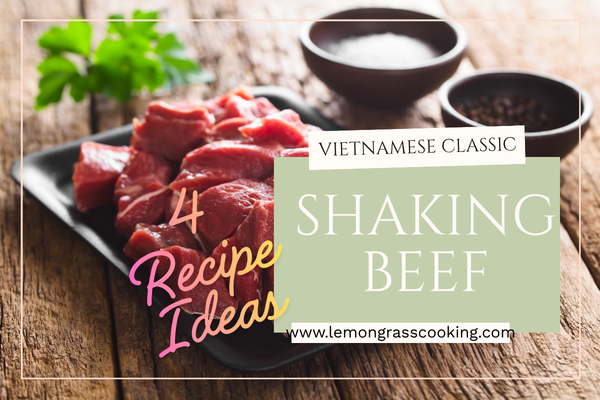
Shaking Beef Four Ways: Modern Takes on a Vietnamese Classic
Shaking Beef Four Ways: Modern Takes on a Vietnamese Classic. New Takes on Shaking Beef: Tacos, Salad, Bowls, and More These four Shaking Beef variations keep the dish’s iconic flavor while making it flexible for…
-

5 Easy One Pot Vietnamese Meal Ideas
5 Easy One Pot Vietnamese Meal Ideas for Busy Weeknights Vietnamese cooking is known for its bright flavors, aromatic herbs, and comforting broths—but that doesn’t mean it has to be complicated. If you’re craving something…
-
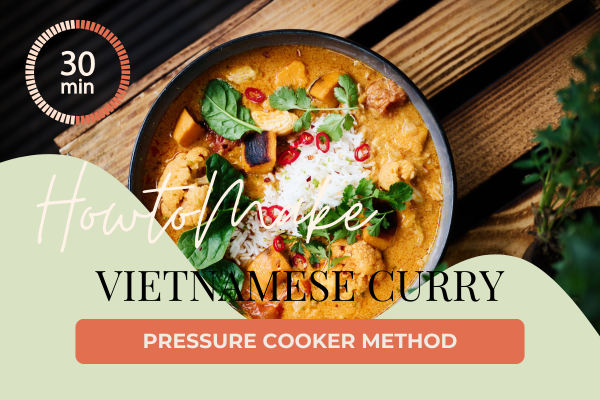
Pressure Cooker Vietnamese Chicken Curry
Pressure Cooker Vietnamese Chicken Curry Aromatic, 10‑Minute Pressure Cooker Cà Ri Gà” This pressure cooker Vietnamese chicken curry delivers deep, aromatic flavor in a fraction of the usual simmer time. Lemongrass, curry powder, and tender…
-
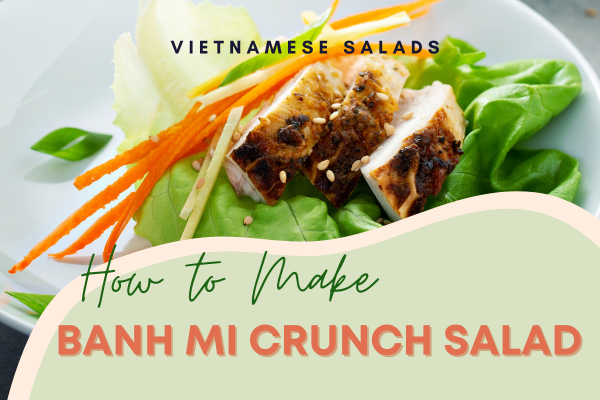
How to Build a Banh Mi Crunch Salad
How to Build a Banh Mi Crunch Salad This bánh mì salad takes everything people love about the iconic Vietnamese sandwich—savory protein, bright pickles, herbs, heat, and a punchy nước chấm—and layers it into a…
-
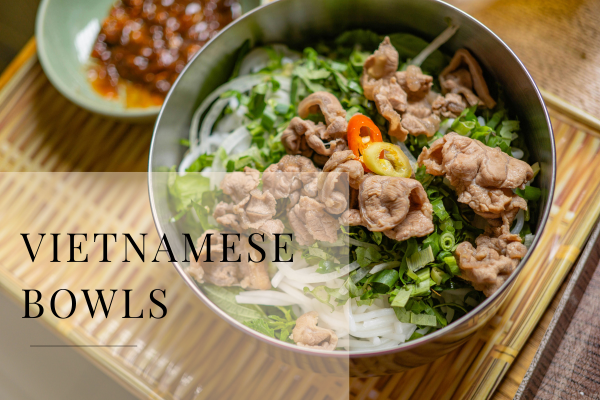
No‑Cook & Low‑Cook Vietnamese Bowls for Warmer Days
No‑Cook & Low‑Cook Vietnamese Bowls for Warmer Days – Fresh, bright Vietnamese bowls built for heat‑wave cooking. When the weather warms up, Vietnamese flavors shine even brighter. Crisp vegetables, fresh herbs, tangy dressings, and quick…
-
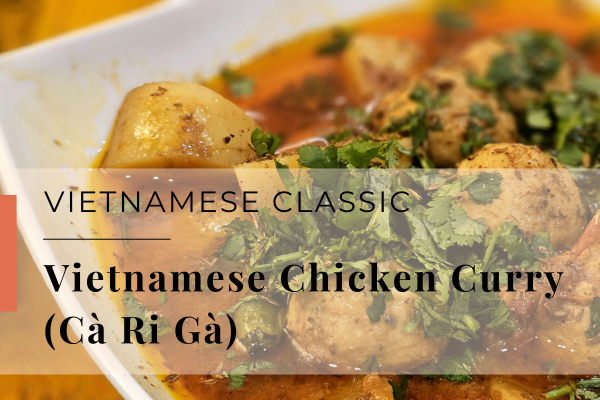
Vietnamese Chicken Curry (Cà Ri Gà)
Vietnamese Chicken Curry (Cà Ri Gà) – A cozy, aromatic curry with coconut milk, lemongrass, and tender chicken — the kind of recipe you’ll come back to again and again. This post may contain affiliate…
-
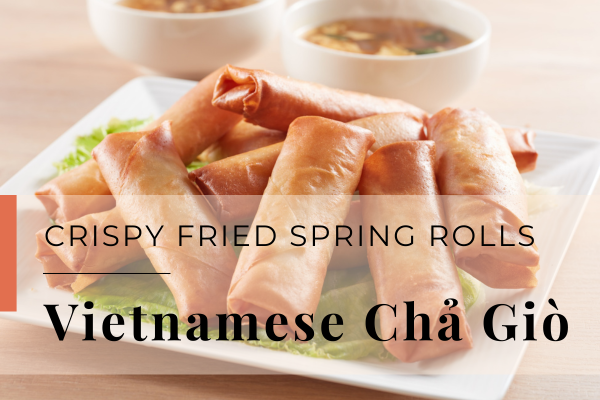
Classic Vietnamese Chả Giò (Crispy Fried Spring Rolls)
Make Classic Vietnamese Chả Giò (Crispy Fried Spring Rolls) – An approachable, technique‑forward guide to the most iconic Vietnamese appetizer — shatter‑crisp every time. There are few Vietnamese dishes as universally loved as chả giò.…
-
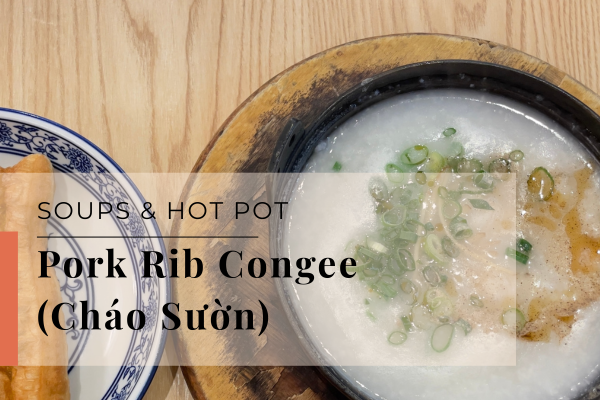
Pork Rib Congee (Cháo Sườn)
Pork Rib Congee (Cháo Sườn), a warm, restorative Vietnamese rice porridge simmered slowly with pork ribs until the broth turns naturally rich and milky. This version is simple, deeply savory, and built on classic technique…
-
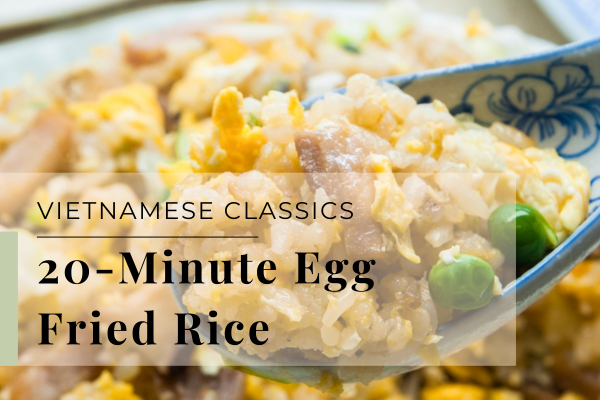
Signature Egg Fried Rice in 20 Minutes
Signature Egg Fried Rice in 20 Minutes (Simple, Clean, Vietnamese‑Inspired) Why This Egg Fried Rice Works When you need something fast, comforting, and built from what you already have, this fried rice delivers. It uses…
Crispy Shrimp & Pork Bánh Xèo FAQ
What makes bánh xèo crispy? Crispness comes from a thin batter, a hot pan, and enough oil to lightly fry the edges. Rice flour and turmeric create the signature lacy texture, and the crêpe should cook undisturbed until the bottom is fully golden.
Can the batter be made ahead? Yes. The batter can rest for up to 24 hours in the refrigerator. Resting helps the flour hydrate and improves crispness. Stir well before using.
What type of pan works best? A nonstick or well‑seasoned cast‑iron skillet works best. Stainless steel can be used, but it requires more oil and precise heat control to prevent sticking.
Do the shrimp and pork need to be cooked first? No. Thinly sliced pork and small shrimp cook quickly in the pan before the batter is added. This keeps the filling tender and prevents overcooking.
Why is my bánh xèo not crispy? Common causes include batter that’s too thick, heat that’s too low, or adding too much filling. A thin layer of batter and a hot, lightly oiled pan are essential for crisp edges.
Can bánh xèo be made without shrimp or pork? Yes. Popular variations include chicken, tofu, mushrooms, or a fully vegetarian version with mung beans and vegetables. The technique stays the same.
How should bánh xèo be served? Bánh xèo is traditionally served with lettuce, herbs, and nước chấm. Diners tear off pieces, wrap them in greens, and dip before eating.
Can leftovers be reheated? Bánh xèo is best fresh, but leftovers can be reheated in a hot skillet to restore some crispness. Microwaving will soften the crêpe.
Is bánh xèo gluten‑free? Yes, as long as the rice flour is certified gluten‑free and no wheat‑based sauces are used. The batter itself contains no gluten.
Can the turmeric be omitted? Turmeric adds color and mild earthiness, but the crêpe will still work without it. The flavor will be slightly lighter and the color paler
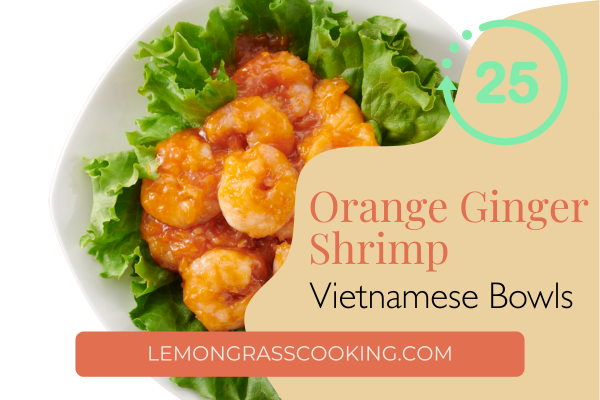
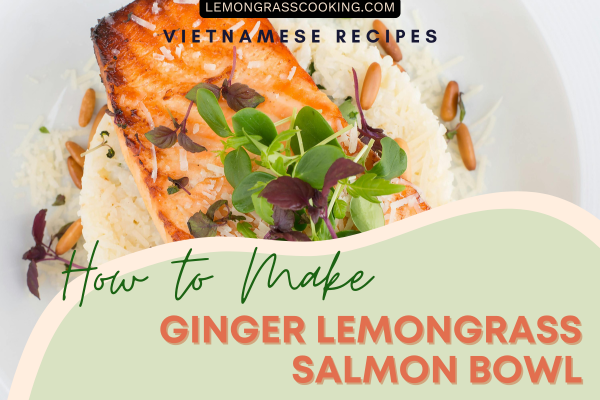
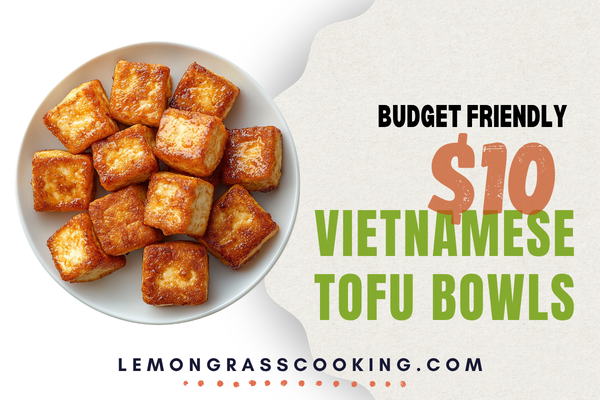
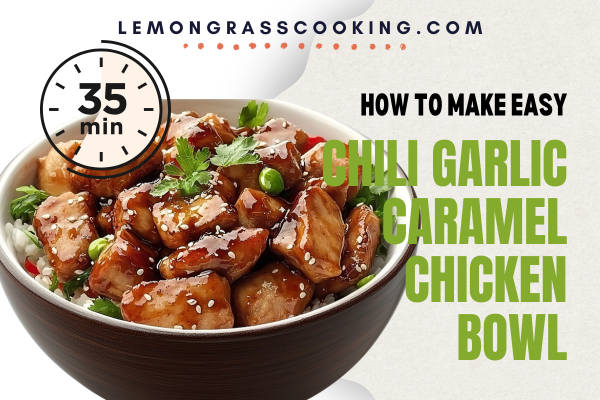
Easy Vietnamese Bowl Recipes
Vietnamese bowls are the easiest way to bring bright, balanced, everyday Vietnamese cooking into your week. They’re fast to assemble, endlessly flexible, and built on the flavors that make Vietnamese food so craveable: fresh herbs, crisp vegetables, warm proteins, and a sauce that ties everything together. Think of them as a choose‑your‑own‑adventure meal — simple enough for weeknights, fresh enough for spring, and satisfying in a way that feels both healthy and abundant. If you want meals that are clean, vibrant, and genuinely fun to build, this is where to start.


Vietnamese Pantry Tips and Recipes